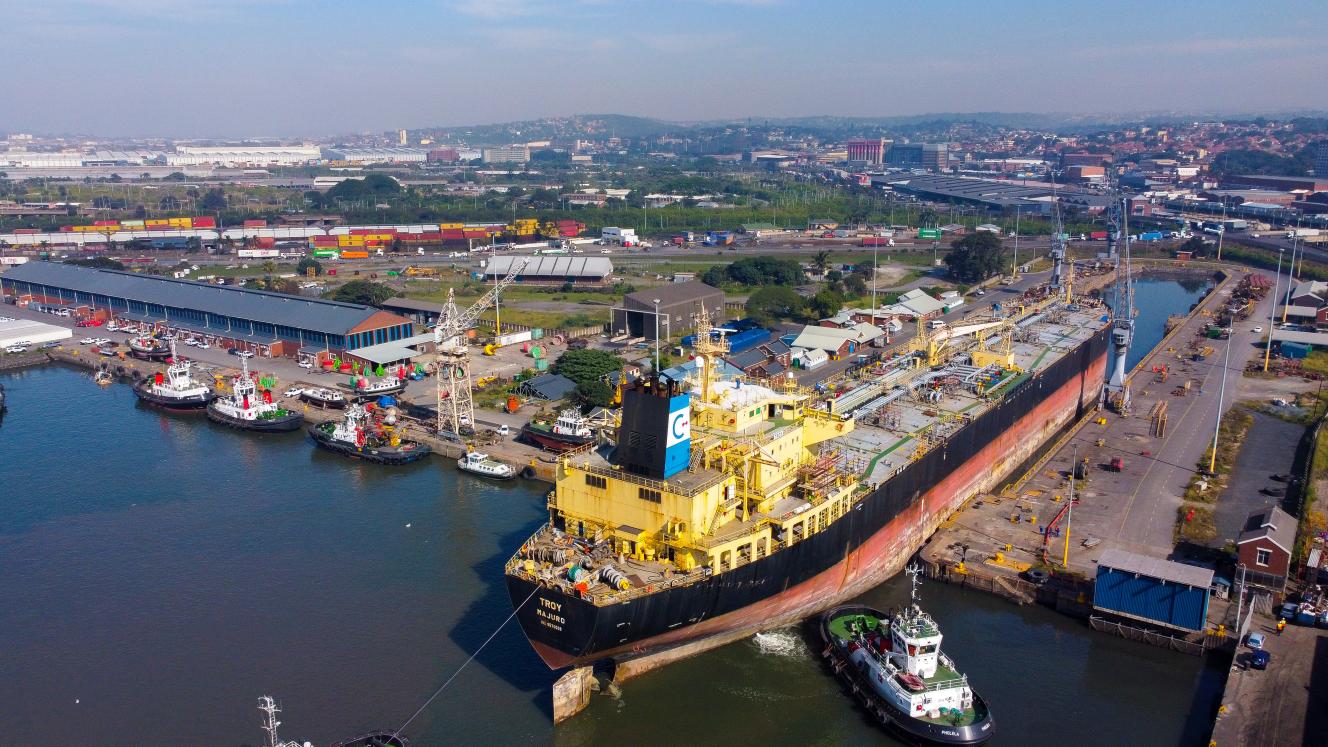
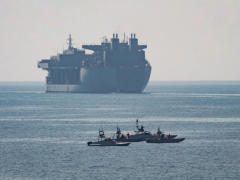
Concerns around the charted draught at the Port of Durban – which saw three vessels being grounded last year – have prompted strong response from both Transnet National Ports Authority (TNPA) and the shipping industry. While TNPA recently “strongly refuted” claims that the port was silting up and that there had been a danger to ships, several shipping executives, ships' masters and hydrography specialists told FTW that three incidents last year where ships touched bottom were an unpleasant indicator that TNPA was just not doing enough monitoring and dredging of the port. But Peter Besnard, CEO of the SA Association of Ship Operators and Agents (Saasoa), was more convinced by various TNPA presentations that he had attended than the arguments of FTW’s contacts in the shipping industry. “About two months ago,” he told FTW, “we had a meeting where the harbour master, dredging master, dredger master, a representative from the civil engineering department and members of the industry were present to view audio presentations of soundings, dangers to the quay walls, and the reason for the scouring process. “Obviously dredging in every port takes place but must not impede the working of the port. Durban is a busy port at the best of times, but we have a limited amount of old dredgers that also have to carry out dredging in other SA ports from time to time.” In response to the TNPA claim that “The port is not silting-up”, Besnard said: “It appears that the marker buoy at the entrance has caused quite a stir. But in a meeting with the harbour master, dredging master and a prominent figure in the industry, it was said that there was a slight build-up as the break wall veered southward. But it would not impede the movement of vessels in or out.” He also commented on the ship grounding outside the port in proximity to the sandbar area. “To the best of my knowledge this grounding is still under investigation so I can’t comment on it. As for the dredging of the entrance/ sand bank, according to the dredging master they are awaiting the return of the dredger needed for this application.” And, Besnard concluded: “As explained by the dredging master, work is on-going in the port but is sometimes difficult due to berth occupancy and availability of the dredgers. “I also leave you to ponder the complexity of taking berths out to dredge the berths and maintain fluidity whilst dredging the channels.” CAPTION Dredging must not impede the working of the port.
Busy berths slow down Durban dredging plans
Comments | 0
© Now Media. This content is protected by copyright and may not be adapted or republished. If you would like to discuss cooperation opportunities, please contact: editor@freightnews.co.za.