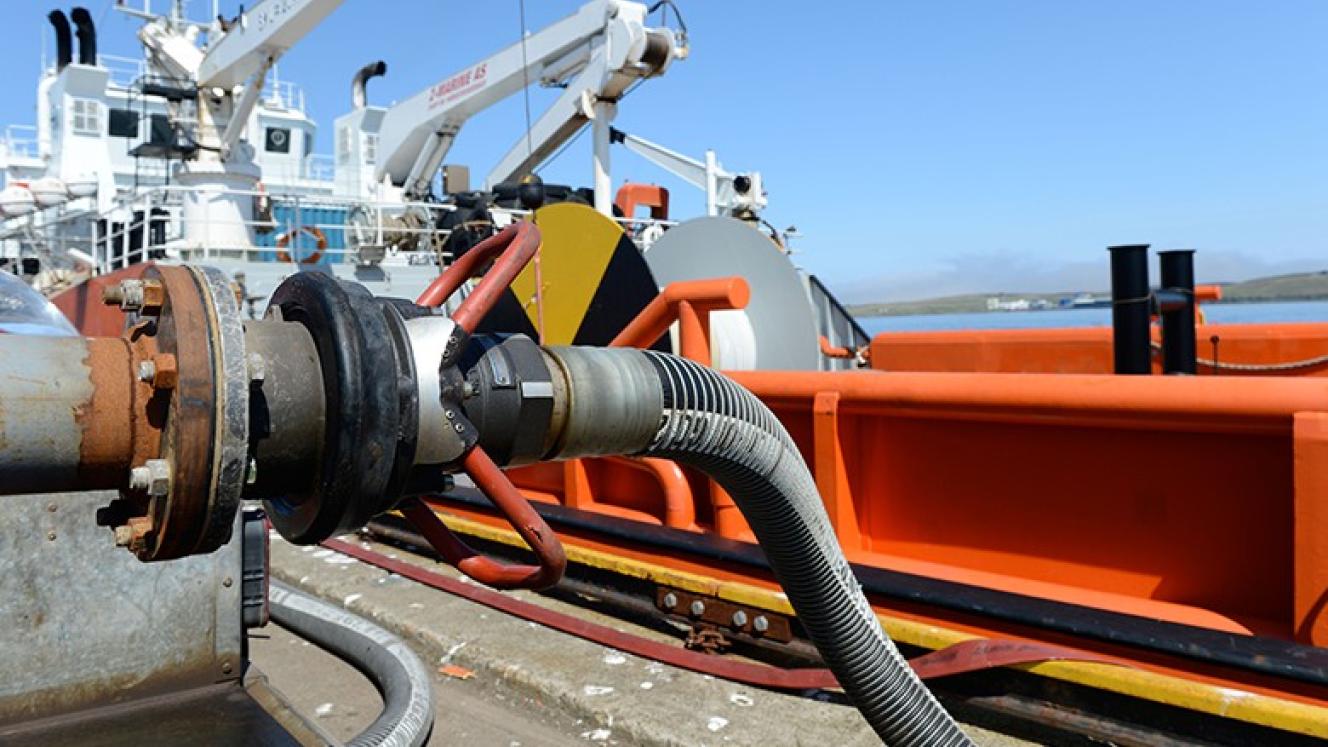
South Africa needs to up its game and attract more vessels to use its ports as bunkering hubs.
Addressing Exporters Western Cape (EWC) in Cape Town recently, shipping stalwart Brian Ingpen said that while there had been notable improvements at local ports, vessels were still bypassing South Africa on a daily basis.
He said the crisis of equipment breakdowns and severe congestion at major ports had largely been stabilised through terminal upgrades and the introduction of new equipment, but this had not yet translated into increased vessel calls.
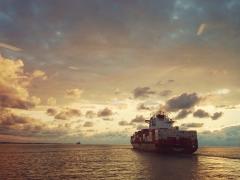
“We simply have to entice more vessels to bunker here,” he said, adding that this applied across all the major ports, including Cape Town, Durban and Algoa Bay.
While Algoa Bay has in recent years emerged as South Africa’s preferred bunkering hub, Ingpen said there was no reason why the Cape’s False Bay could not also play a role.
“It has the same marine environment, the same sea conditions and offers strong potential for vessels that simply want to bunker without entering a congested port.”
The financial potential of bunkering is significant, with estimates suggesting that a single vessel can inject at least R1 million into the local economy, excluding the cost of fuel.
Ingpen pointed to a recent example of a vessel purchasing R155 000 worth of eggs while docked in Cape Town.
“And that is just for the eggs. They might also need a crew change, medical services or additional supplies. The reality is that once vessels dock, they spend.”
He noted that South Africa had historically been a popular bunkering destination.
“It was not uncommon to see up to 40 ships wanting to refuel at our ports. While vessels today have larger bunker tanks and improved fuel efficiency, reducing frequency, there is still significant untapped potential.”
According to Ingpen, while the current rerouting of vessels around the Cape due to instability in the Middle East has increased traffic along the coastline, bunkering strategy should not rely on this temporary shift.
“Even if we take away the diverted vessels currently passing Cape Agulhas, we still have around 80 ships passing us every day. If we could attract just ten of those to bunker here, the economic impact would be substantial.”
However, he noted that fuel availability remained a key constraint, with most of South Africa’s refineries no longer operational.
“Of course, we need to have the fuel if we are going to make this a reality. Our refineries are largely out of action and supply is limited,” he said.
“But the opportunity still exists, even if we rely on imported product.”
He added that high port fees for bunkering vessels were another major barrier.
“We need to reduce fees specifically for bunkering-only vessels, whether passenger or cargo. The argument that we need the revenue does not hold because half the income is better than none. Right now, vessels are simply choosing to bunker elsewhere.”