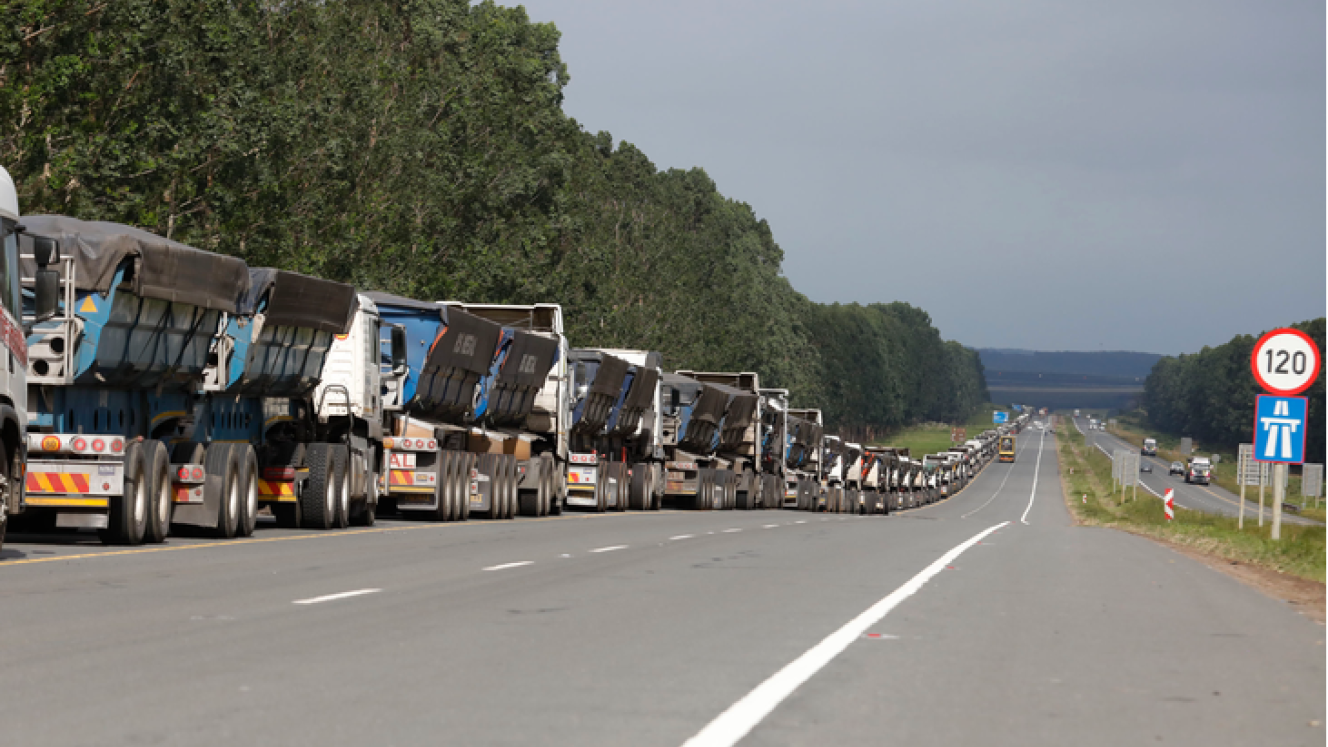
All the Beira corridor needs for volumes to grow even faster is “for clients to realise the full potential of Beira and allow us to prove it to them,” says Henrique Valle, general manager of J&J Transport. J&J is a one of the biggest road transporters, specialising in international, national transportation and logistics between Mozambique, Zimbabwe, Zambia, Malawi and the Democratic Republic of Congo. It manages a fleet of its own trucks pulling a variety of flatbed and drop-side trailers designed to handle bulk, containerised, project and out-of-gauge cargo. J&J has almost 20 years’ experience in cross-border transport and employs over 1 400 people. Valle, who is the general manager of the company with 13 years of experience in shipping and logistics on three continents, is a strong proponent of the Beira Corridor. “Beira is happening. It is the gateway to the hinterland. “We are seeing more and more enquiries from people using the other corridors as word gets out that Beira is becoming increasingly competitive,” he says.” The corridor is becoming more competitive because of the cooperation between the landside logistics industry, customs, the port authorities and the shipping lines. “Hiccups” initially experienced with the introduction of the Single Electronic Window (“Janela Unica”) customs system were quickly overcome when the industry and customs sat around the same table and found solutions. “The customs system has catapulted us into the 21st century and ensures accountability and transparency,” he says. “The corridor was just going through growing pains. Freight is flowing much faster through the borders thanks to the Janela Unica system and transit times have been shortened. “We have aligned ourselves with the SEW/Janela Unica system and as a result our trucks move through the border with ease,” he says. J&J has its own in-house legal team to ensure compliance with the regulations in the different countries in which it operates.
Beira corridor needs an image makeover
Comments | 0
© Now Media. This content is protected by copyright and may not be adapted or republished. If you would like to discuss cooperation opportunities, please contact: editor@freightnews.co.za.