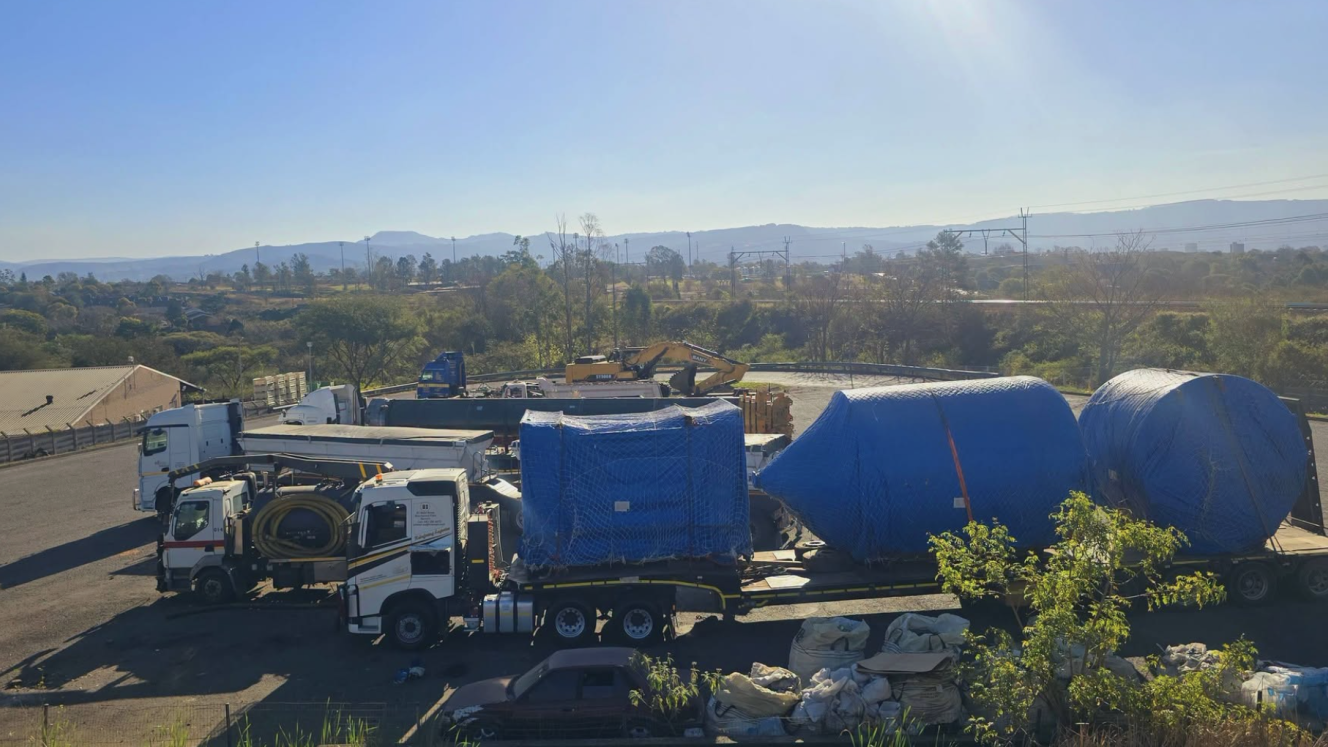
WHEN THE G8 summit – a collection of the world’s top eight national economies – raised the word “sanctions” against Zimbabwe, the SA freight industry shivered at the possible loss of business. But with China and Russia having vetoed the move, and South Africa opposing it, it’s likely to be business as usual for now. Providing some insight, Duncan Bonnett, a partner at trade consultants Whitehouse and Associates, pointed out that the G8 was not looking for a major economic embargo. “Rather, they have drawn up a list of the 12 worst offenders in the Mugabe regime – including Robert M himself – and intend to impose full travel and financial sanctions on them. And they are talking about a mandatory arms embargo as well – but that in itself would have no major economic impact. “What it’s worth keeping an eye out for is the general public in the advanced nations – like Britain – carefully examining which companies are supplying goods or investing in businesses in Zimbabwe, and slapping their own personal bans on dealing with those companies in their home markets,” he told FTW. This form of sanctions is much more likely to prevail, he added, rather than a fullscale national government embargo. “And this type of consumer activism can accelerate very fast, and you can expect it to keep increasing in intensity until the whole Zimbabwe situation is resolved,” Bonnett said. Warren Jayes of Leo Shipping, a major operator on the SA – Zimbabwe route, points out the significant impact of sanctions on local business. “A lot of SA businesses would close, and the last thing we need is a bankrupt neighbour. “Zimbabwe is one of South Africa’s biggest trading partners, so the amount of unemployment it would create in SA overnight would be astronomical.” At the moment, he says, business is booming. “The more troubled the economy, the more they have to import – and that’s everything from basic foodstuffs to what they need to keep the factories working. There’s a huge spinoff for South Africa which is making a lot of money out of it.” Finding the forex to pay for the goods is a hurdle – with everything paid upfront – but it’s a hurdle that is generally overcome. The biggest problem, says Jayes, is duties which can go up 200 to 300% in a week. Hazel Briggs of HB Services agrees that smaller companies would lose out big time if sanctions became a reality. “People who have kept their businesses going in Zimbabwe have done so under such dire circumstances,” says Briggs. “With the duties changing every week, if goods are delayed at the border it creates huge problems for importers.” A recent shipment was delayed at the border because duty had not been paid – and the problem was that Zimra (Zimbabwe Revenue Authority) would not accept a cheque for more than 20 trillion Zimbabwe dollars!
Zim sanctions and the impact on freight
Comments | 0
© Now Media. This content is protected by copyright and may not be adapted or republished. If you would like to discuss cooperation opportunities, please contact: editor@freightnews.co.za.