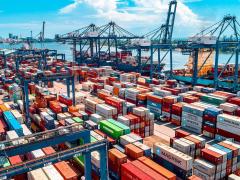
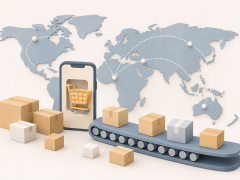
Global container trade could drop by between 0.5 and 2% from 2019- 2020 due to the trade restrictions initiated by United States president Donald Trump, according to Danish logistics giant Maersk. Political and economic stability in South Africa is also affecting trade patterns. “North-South container trades grew by only 2.1% in Q3, as African import growth remained weak due to macroeconomic challenges, mainly in South Africa,” says the company in its third quarter report. Trump’s actions and retaliations by China, according to Maersk, have affected around 2.6% of the global value of traded goods during the third quarter of 2018. The US has introduced tariffs of 10-25% on US$250 billion worth of Chinese goods entering the US, prompting Chinese policymakers to retaliate. Trump has repeatedly threatened to place tariffs on all US imports from China, an amount totalling more than $500 billion annually — a move that would most likely slow global trade significantly, according to Maersk. Despite beating analyst expectations with a thirdquarter profit of $1.14 billion, Maersk’s warnings of the Trump fallout saw its stock falling about 0.7%. Overall, global container trade continued to lose momentum in the third quarter, rising by 4.2% compared with the 5.8% recorded over the same period in 2017. Looking ahead, global container trade is projected to increase by 3-4% in 2018 and in the lower part of 2-4% in 2019. Growth in container demand is well off its 2017 levels, and mirrors the gradual slowdown in global macroeconomics and global export orders. Aside from the cyclical slowing of the global economy, the main risks to global container demand relate to the introduction of additional tariffs and other trade restrictions, and a sharp slowdown in global growth because of tightening US monetary policy and investors taking an increasingly risk-off attitude toward some economies, says the company in its analysis of the market.
World trade being Trumped
Comments | 0
© Now Media. This content is protected by copyright and may not be adapted or republished. If you would like to discuss cooperation opportunities, please contact: editor@freightnews.co.za.