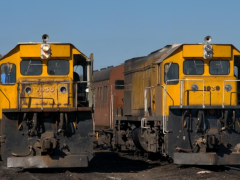
As the global economic crunch hit Africa, Zambians in particular felt the pinch – thanks largely to their dependence in recent years on the mining industry. The falling copper price brought mining to a near standstill and all around the country the reality of a global recession set in – the good times were over. And Zambia more than most African countries had had some fantastic years. With the demand for copper growing, and the subsequent huge price increase for the commodity, the economy was not just booming – it was exploding. According to David Chimfwembe, Lusaka area manager for Manica Zambia, the country had seen huge investments, but suddenly things were changing quickly. Most experts in the country agree that companies were in a position to plan somewhat as the ripple effect of the American recession took some time to reach the landlocked country with its population of 12 million. But with so many industries having placed their eggs in the mining basket, there was not much they could do and many were reeling as the credit crunch hit home. Richard Hall, owner of Ka Go 2 Go, said as many mines came to a complete standstill, the effects were felt even in South Africa as imports and exports came to a halt. “Companies had to diversify and find ways of making an income. We also found that much less stock was being kept in other industries, so the decrease in mining affected most industries.” Zambians agree they may have been too dependent on the mines. It was lucrative and they were making money. The Zambian government, however, has responded to the crisis by pursuing a diverse economic programme. Much emphasis is being placed on agriculture with the idea of creating more formal and informal employment opportunities. There is no denying the continued importance that copper and cobalt will have on the country, but spurring economic growth in a variety of ways has become the focus. “The country has significantly improved in recent years,” says Jeff Smit, managing director of Cross Africa. “There have been major investments in infrastructure and they are ensuring that it continues. The roads in particular have been improved – and the weighbridges that in the past had been a major concern are now working very well.” But for the time being the yards remain empty. “We are all just waiting out the storm,” says Piet la Grange of Professional Consolidators. “Zambia was in a good position to anticipate the slowdown, but it has been a difficult few months.” Zambians are however making the best of a bad situation. On the streets of Lusaka people continue to make a living selling their goods at stores along the road or in small markets. It is a country where one person supports an average of 20 people. Poverty eradication remains a high priority for the government, which is committed to seeing the country again continue its upward growth of the past few years. “It is a country of either famine or feast – that is the way we are,” says one man, selling flowers at a street market. “We are a peaceful nation with a lot going for us.”
Waiting out the storm …
Comments | 0
© Now Media. This content is protected by copyright and may not be adapted or republished. If you would like to discuss cooperation opportunities, please contact: editor@freightnews.co.za.