South Africa's automotive sector showed resilience in the fourth quarter (Q4) of 2025 with aggregate new vehicle sales rising 15.8% year-on-year and 1.1% quarter-on-quarter.
But the sector is still facing challenges posed by the affordability of cheap imported vehicle sales that are flooding the local market, partly driven by the excessive “luxury tax” regime on entry level models.
This is according to the Automotive Business Council’s (ABC) latest quarterly review of business conditions released on Tuesday.
Sales of passenger cars reached 114 445 units in the fourth quarter, up 15.2% from the corresponding period in 2024, while commercial vehicle sales climbed 17.4% to 45 472 units.
“Passenger car sales were strongly supported by an increasing number of entrants with affordable model options drawing a cohort of price sensitive as well as first-time buyers into the new vehicle market,” the Council noted.
Light commercial vehicle (bakkie) sales benefited from a mix of domestically manufactured and imported models, alongside higher mini-bus taxi volumes despite financing challenges at SA Taxi in providing finance for the sector.
Aggregate sales for full-year 2025 marked the highest performance in over a decade, recovering above pre-pandemic levels.
New energy vehicle (NEV) sales by 23 brands edged up 3.5% to 4,764 units in Q4, with full-year 2025 NEV sales by 30 brands rising 7.1% to 16,716 units, representing 2.8% of the total market.
Domestic vehicle production increased 1.7% year-on-year in Q4 and 2.7% for the full year to 616 466 units.
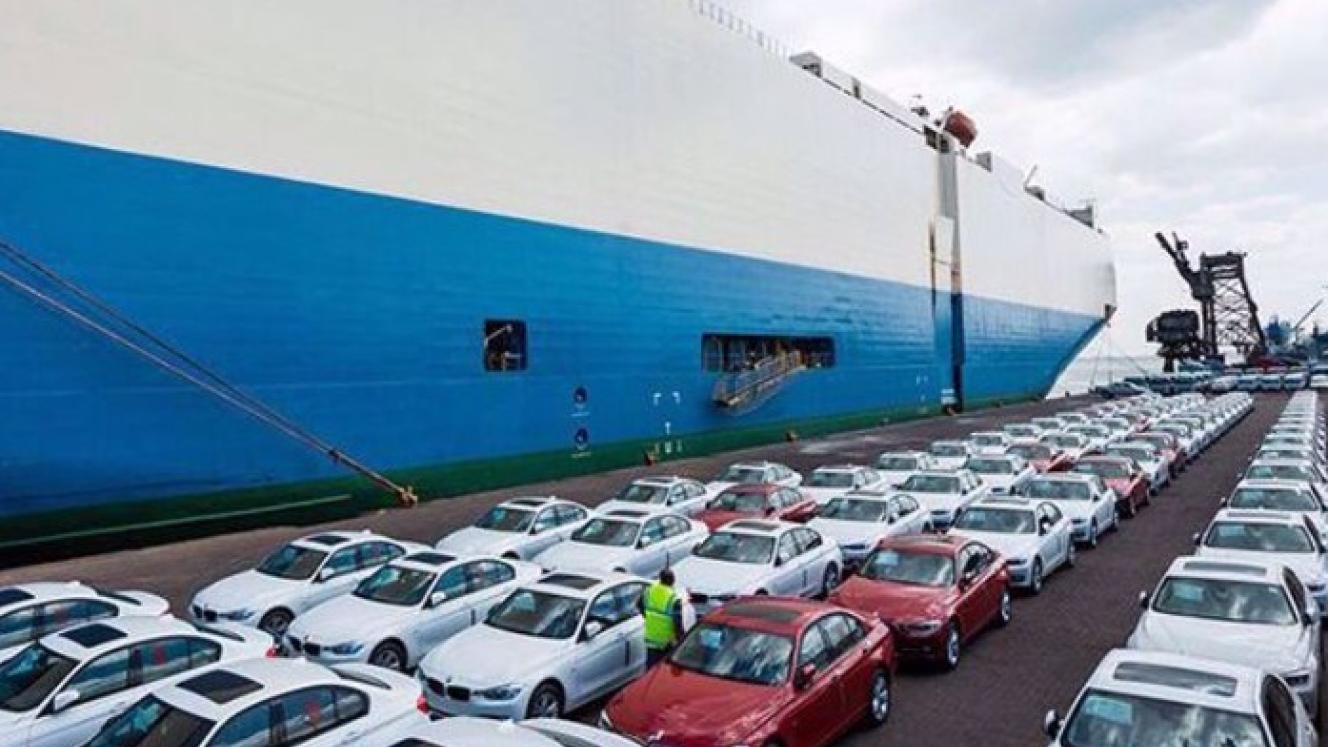
Vehicle exports rose 1.7% in the quarter to support higher production, reaching a record 414,268 units for 2025, up 5.9% year-on-year. Exports targeted 109 countries, with 80.3% destined for Europe under Economic Partnership Agreements.
However, the Council said that industry employment in vehicle manufacturing fell to 31 878 as at 31 December 2025, down 237 jobs from September, with average 2025 employment at 32 115 versus 33,154 in 2024. linked to lower production at certain OEMs. Independent vehicle importers added 136 jobs to reach 7 903.
“Employment in the vehicle manufacturing industry is generally linked to production and the decrease in employment in 2025 related to lower vehicle production volumes by certain OEMs with a consequent decrease in employment for the period under review,” naamsa said.
Aggregate independent vehicle importers employment totalled 7 903 as at December 31, 2025, reflecting an increase of 136 jobs, compared to the head count of 7 767 at the end of last September.
The Council reported that capital expenditure by major light vehicle manufacturers totalled R7.2 billion in 2025, focused on new-generation model investments. Capacity utilisation reflected market conditions and export-driven production, varying by segment.
The Council’s CEOs Confidence Index showed positive sentiment for Q4 2025 compared to 2024, with 80% viewing general new vehicle business conditions as up. For the next six months, 78% expected higher domestic sales and 89% better overall conditions, supported by improved macro factors including interest rate cuts, lower inflation, rand strength, S&P's credit upgrade, and exiting the Financial Action Tast Force grey list.
However, the report notes that challenges to manufacturing growth, such as high government taxes, persist.
“Excessive government taxes of up to 42% on the price of a new vehicle, with even entry level vehicles attracting a luxury tax, continue to force consumers to affordable imported models,” the ABC said.
“This will remain a major industry challenge until government addresses the luxury tax regime which has never been adjusted for inflation over the past three decades.”
Naamsa said the industry awaited awaits with “pressing anticipation” the finalisation of the comprehensive review of South Africa’s Automotive Masterplan 2035 and APDP2 framework.
“A coherent, forward-looking policy framework remains imperative to safeguarding South Africa’s position within global and regional automotive value chains,” it said.