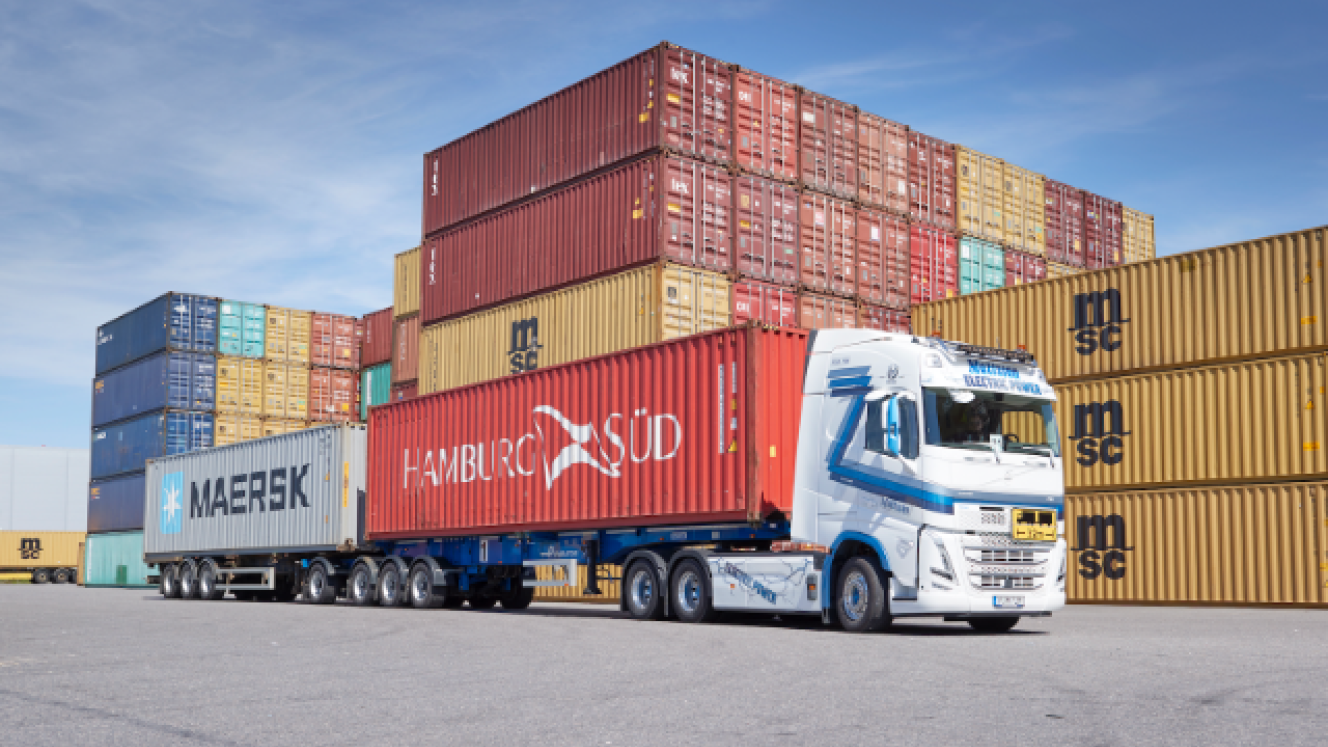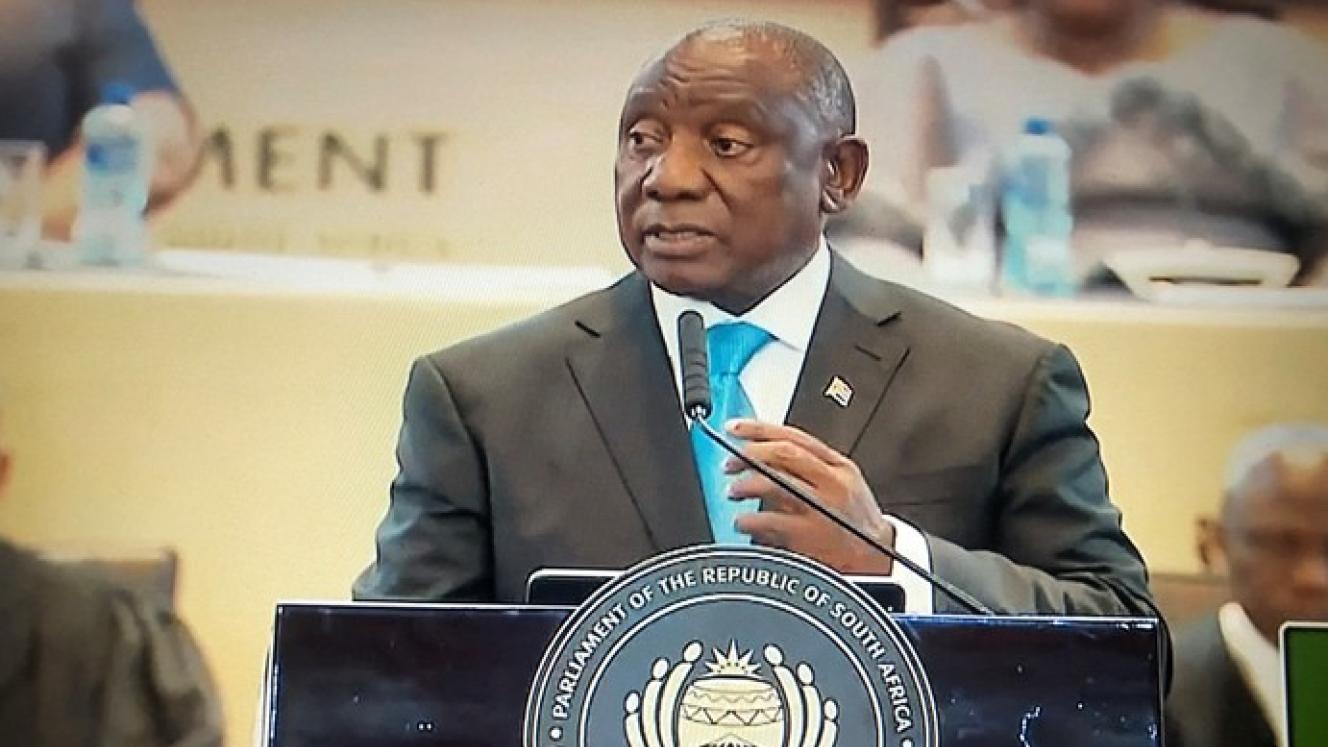
The government will soon be announcing more public-private partnership (PPP) agreements to bolster the progress that has already been made to speed up recovery across the country’s logistics network, President Cyril Ramaphosa has said.
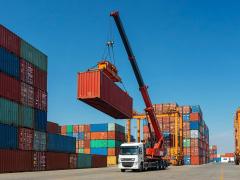
Delivering his State of the Nation Address (Sona) in Cape Town, he said “ports and rail freight lines are steadily increasing the volumes that we are moving in and out of the country”.
Although mentioned early on in his speech on Thursday night, freight didn’t appear to be high enough on his list of priorities.
While the president extensively detailed what was needed to address the country’s current water reticulation crisis, especially in Johannesburg, where suburban tempers have reached boiling point over the past week, similar detail was lacking for the projected progress in the logistics sector.
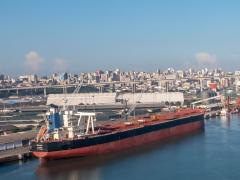
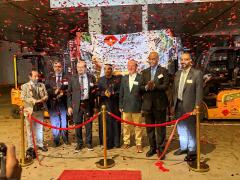
Ramaphosa mentioned the open-access rail freight project by Transnet that is firmly under way, and “last month’s” PPP handover of the Port of Durban to International Container Terminal Services Inc (ICTSI).
Some comments from the floor, possibly even from within the ranks of the Government of National Unity, reminded Ramaphosa that the Durban PPP arrangement only involved Pier 2 and not the entire port.
Facts are important when the country’s first citizen is addressing concerns about much-needed policy reform.
Earlier this week, New York investor bank Goldman Sachs emphasised the same point, saying that a lot hinged on South Africa’s continued re-emergence from years of economic sluggishness.
Ramaphosa highlighted the strength of trading on the Johannesburg Stock Exchange and declining inflation, currently at its lowest level in 20 years.
But it was disappointing to hear him being utterly scant, to say the least, when he briefly touched on the supply chain sector.
He expounded at length about the energy sector – a justified cause – and somewhere added in transport when he said that funding would be made available for infrastructural development to help improve crucial sectors.
He specified R156 billion that will go towards water infrastructure and an additional incentive of R54bn for related industry maintenance.
Maybe, at this stage of Ramaphosa’s “New Dawn” recovery from the years of State Capture, freight industry issues have fallen off his radar, since Transnet is in the very capable hands of Group CEO Michelle Phillips.
Perhaps more plans will be set out in the upcoming Budget Speech.
However, not for the first time has Ramaphosa’s Sona failed to adequately address freight sector concerns about nagging issues like port performance, which, although improved, is still below par, and criminality on the rail freight network, a major concern for the open-access network concessionaires he mentioned.
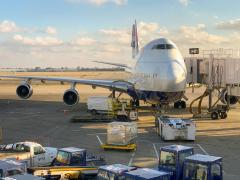
Let’s not even begin to talk about ongoing capacity problems experienced by Port Health officials to meet demand at import-export hubs such as OR Tambo International Airport.
Bizarrely, Ramaphosa mentioned high-speed passenger rail developments, particularly to border crossings such as Musina, in which instance 30 potential PPP contracts are apparently being considered.
Did he mention the far more important issue of the Beitbridge border and how it continues to act like a tourniquet around the North South Corridor to Copperbelt countries north of Zimbabwe?
No.
All Ramaphosa said was: “We have an opportunity to improve our supply chains.”
He mentioned closing tariff loopholes, not being dictated to by trading partners (presumably the United States), and that South Africa was making progress as an active member of the Global South (a clear dig at the US, since this grouping excludes America).
He mentioned “opening up new markets” for various exports, and lauded the agricultural sector for its show of strength, despite significant odds and challenges.
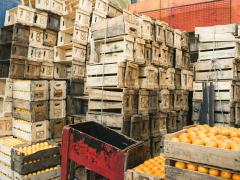
He said R7.8bn would go towards black emerging farmers to help the agri industry grow even more robust, further feeding into product outflows that year-on-year are steadily increasing, as is the case with the citrus industry.
Did he say what the government will do to ensure that fresh produce delays at the country’s ports are avoided?
No.
Maybe the memos about the importance of the freight sector’s ongoing recovery have simply not reached the president.