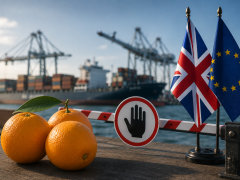
Rising tariffs under the Trump administration have driven up the cost of this year’s traditional Thanksgiving meal in the US, placing additional strain on family budgets ahead of the holidays.
Nick Levendofsky, executive director of the Kansas Farmers Union, warned during a webinar on November 25 that the impact of tariffs is far from abstract, Supply Chain Brain writes.
He explained that every additional cost in the agricultural supply chain eventually reached consumers at the check-out.
Analysis by economic think tank Groundwork Collaborative suggests that a full Thanksgiving dinner is nearly 10% more expensive in 2025 than in 2024, with some staples seeing particularly sharp increases.
Onions are up by 56%, spiral hams by 49%, cranberry sauce by 22%, and creamed corn by 21%. A survey of 1 224 US voters conducted by policy pollster Data for Progress found that 37% of Americans were stressed about Thanksgiving prices, while 25% are planning smaller gatherings to save money.
The increased costs are traced back through the country’s agricultural supply chain, where farms depend on imported materials now subject to heavy tariffs. According to farm groups, these levies are pushing up the cost of essential items such as machinery parts, tools, insect netting and packaging.
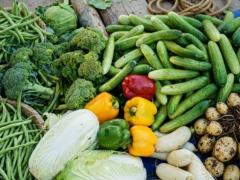
The result is higher prices for producers long before Thanksgiving ingredients reach grocery store shelves. Mary Carol Dodd, owner of Red Scout Farm in North Carolina, said that with farms operating on very slim profit margins, “every price increase means tough choices”.
She added that when the cost of growing vegetables rose, so too did the price of vegetables on the holiday table.
This comes despite claims from the Trump administration that Thanksgiving meal costs have fallen this year, with President Donald Trump highlighting Walmart’s Thanksgiving meal bundle, which he said costs 25% less than in 2024. However, the bundle includes fewer items than last year and substitutes some foods with smaller, cheaper alternatives.
Levendofsky described the president’s claims as misleading, noting that while large grocers might offer discounts ahead of the holiday, farmers received less money for their crops, forcing them to raise prices elsewhere. Retailers also frequently discount turkeys to attract customers, a tactic that can make the whole birds appear cheaper while the cost of sides and other ingredients continues to rise.
The impact of rising food costs has also been felt by food banks, which depend on increased donations during the holiday season. Tariffs on imported aluminium cans, for example, have made it more expensive for families to donate canned goods, leaving many households less able to contribute at a time of heightened demand.
Collin Tuthill, president of Royal Food Import Corporation, said: “There’s a direct connection here, and something needs to be done.”
Food banks are increasingly making emergency purchases to fill inventory gaps, but higher packaging and commodity costs mean their funds do not stretch as far as in previous years. Several organisations, including Seattle-based Food Lifeline, have described the situation as resembling “going into another pandemic”.
For growers, retailers and families, the hope is that the holiday season will highlight the mounting pressures on Thanksgiving meal costs. However, without broader relief, many warn that the forces behind this year’s price increases are unlikely to dissipate once the season is over.