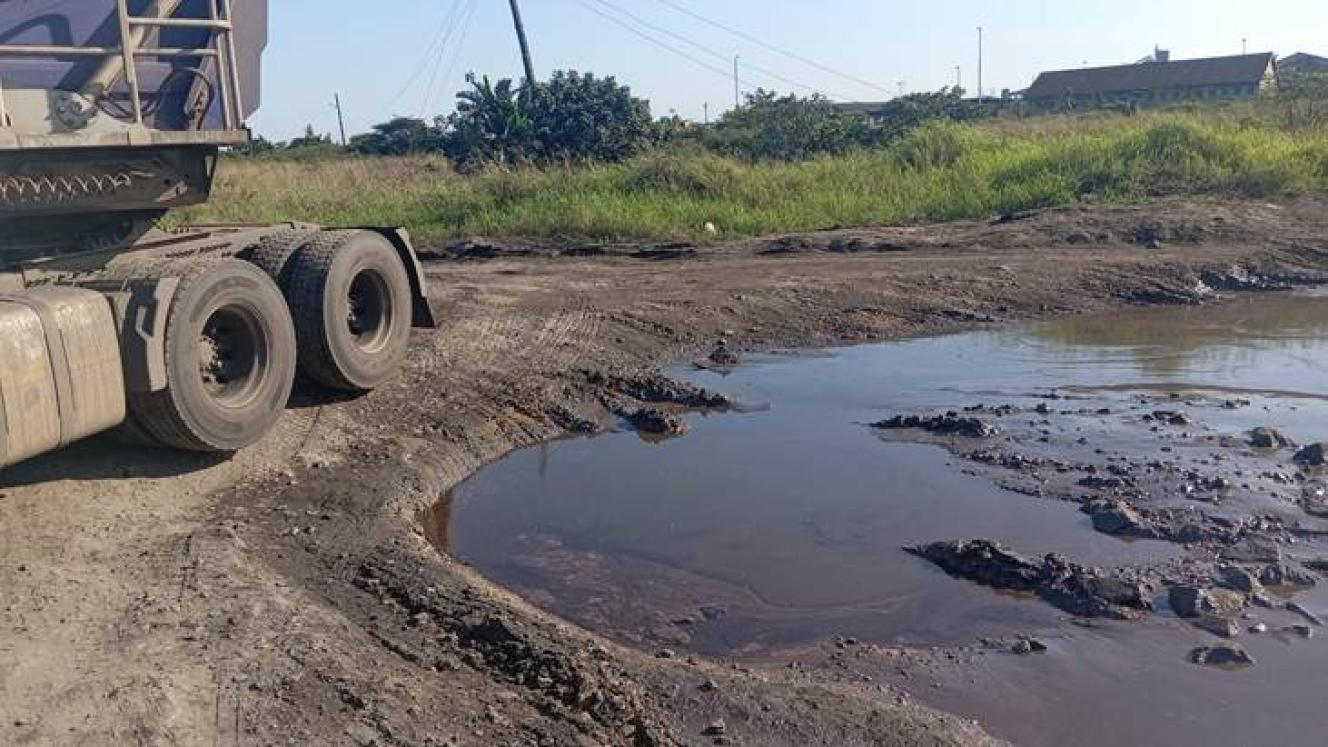
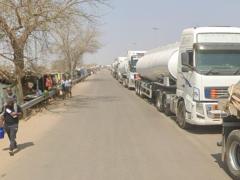
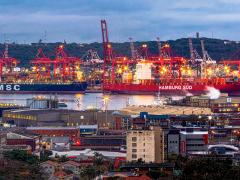
SWAZILAND’S GDP growth slowed to 1.7% this year and may drop to 1% next year due to drought that has devastated the agriculture sector in this agriculture-dependent economy. Forest fires in September seriously damaged commercial timber areas, which will affect key paper pulp exports. But slow growth is better than no growth or even negative growth, and the transport business is one sector that continues to thrive. There are always challenges, including the seasonal nature of shipping and the problems arising from being a landlocked country dependent on neighbouring states for access to seaports. Tension between the Swazi business community at South African Revenue Service (SARS) came to a head in July at a meeting between Sars officials and importers and exporters. 80% of the country’s goods and services come from SA, which absorbs 60% of Swaziland’s exports, including all its coal production. Face to face with Sars officials, transporters complained about onerous regulations, seemingly capricious rulings, and loss of cash liquidity as they wait for months for VAT refunds. For Willie Stuart of Speedy Overborder, the attitude of Sars officials was a cause for grievance. “Everyone has problems, us too. Our concern is not getting refunds, but the attitude of personnel at the border. We’ve been doing this work for years, and they still treat us like it’s our first day. They are given tremendous power to assist us, and they use it to hassle us,” Stuart told FTW. Meanwhile construction continues on a new international airport an hour’s drive east of the country’s tidy little commuter airport at Matsapha, where the railway’s Inland Container Depot and most Swazi industry is located. Supporters of the airport say it will finally allow large-scale airfreight shipping. And despite cost overruns and slow advancement of the Mbabane by-pass road, the nation’s highway system continues to expand. One thing businesses agree upon is that Swaziland’s roads aren’t bad.
Transport sector thrives despite GDP slowdown
Comments | 0
© Now Media. This content is protected by copyright and may not be adapted or republished. If you would like to discuss cooperation opportunities, please contact: editor@freightnews.co.za.