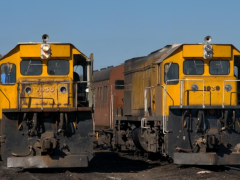
Transnet will do everything possible to keep tariff increases below double digits as it sets out on a major expansion and maintenance programme over the next seven years. As part of its Market Demand Strategy (MDS), the state-owned logistics group will invest R300 billion in port and rail projects over a sevenyear period starting in the 2012/13 financial year. Increasing its capacity in an effort to meet market demand underlies the investment thrust. But, said Transnet Group CE Brian Molefe, this will not be at the expense of its customers. “We are not going to increase our margins from tariff increases, but from increased volumes on our improved system that will be from the major investment into our infrastructure. The strategy will be built on Transnet’s strong financial performance in the past few years and will see our shareholder – the South African government – take a zero dividend policy. In other words all the money made will be ploughed back into the business over the next seven years.” He said Transnet projections were that tariff increases would be above inflation. “We are budgeting for tariff increases of 2% above consumer price inflation (CPI) during the next seven years.” Molefe said the Transnet decision would no doubt be debated as there continued to be major questions around monopoly businesses prefunding their capex using tariffs. “We will also see debates around Transnet using consumer money for the investment programme, but we are of the opinion that this is the best option. By taking CPI plus 2% it will look like we are taking money away from consumers in difficult economic times to invest in the capex, but that is a short-term view. It may be a very cynical outlook but I believe we are effectively saving money in an economy that does not save using this method.” He said there had been suggestions that the South African economy would not be able to afford a situation where money was taken out of “C (consumption) and given to I (investment)”. “Our argument is that it should be possible especially in an economy that does not save. We don’t see it having adverse effects on the economy, because instead of taking the money from C and leaving it somewhere to grow, we are actually saving it by contributing it to the fixed capital investment programme.” He said while they expected debate around the subject and were open to discussions, the fact remained Transnet customers could expect above inflationary tariff increases. But rather than view it negatively, they should see it as long-term savings.
Transnet sets limits on future tariff increases
Comments | 0
© Now Media. This content is protected by copyright and may not be adapted or republished. If you would like to discuss cooperation opportunities, please contact: editor@freightnews.co.za.