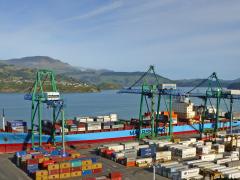
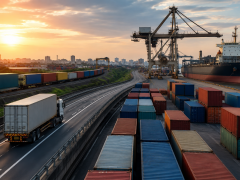
Transit traffic has allowed Swaziland Railway to survive through a harsh economic climate that has seen importation of factory inputs diminish with a corresponding drop in finished goods exports. “At a time when import and export volumes are tumbling, transit traffic volumes increased by more than 10% thanks to the support of Transnet Freight Rail, which provided the resources to transport minerals from Phalaborwa and pushed for joint execution of these operations,” Stephenson Ngubane, director of operations and marketing at Swaziland Railways told FTW. Transit traffic of SA rail-carried goods has boosted the landlocked nation’s rail system during earlier economic boom years, and has provided a lifeline for the firm this past year. “Swaziland Railway has had to survive in a harsh economic climate that saw exports of textile products (one of Swaziland’s key industries) decrease dramatically. These export products are containerised then shipped to overseas markets, and Swaziland railway experienced a low transport services demand. The manufacturing industry in Swaziland imports material and then exports finished goods, and imports declined due to the low demand for inputs,” Ngubane said. As the economy improves, Swaziland Railway will continue playing a critical role in the SADC economy, Ngubane said, providing direct access to South African and Mozambican ports. “The geographic position of the SR network facilitates faster transit times to and from ports,” he said. Logistic and infrastructure advancements are also continuing regardless of the economic slump. “Swaziland Railway and TFR continue to remove obstacles to train service integration. The company has embarked on mechanised track maintenance in order to cope with the high utilisation of the track, necessitating intensive track maintenance to ensure high standard of work,” Ngubane said.
Transit traffic supports Swaziland Railway
Comments | 0
© Now Media. This content is protected by copyright and may not be adapted or republished. If you would like to discuss cooperation opportunities, please contact: editor@freightnews.co.za.