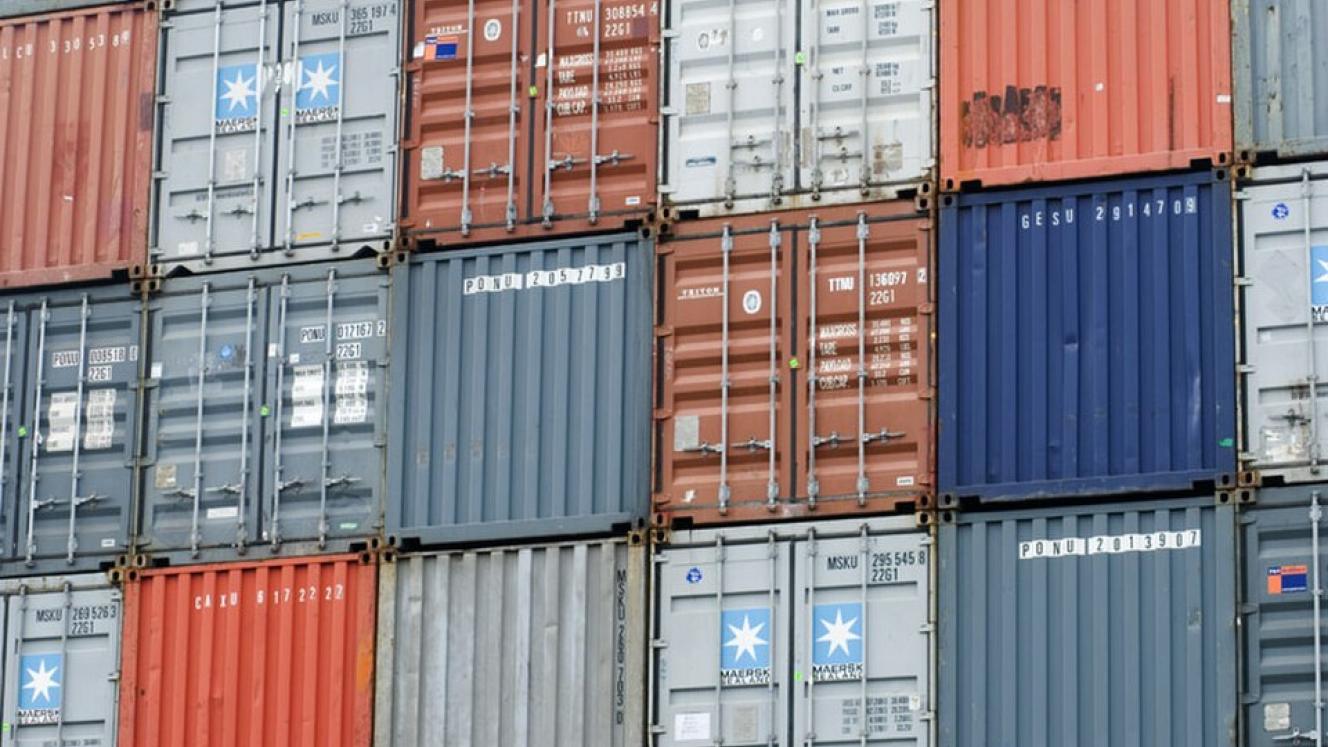
Comparatively low charges drive up volumes to 40% and more THE UNACCEPTABLY high percentage of transhipment containers is making the Durban container terminal (DCT) constipated, according to Paul Rayner, MD of Durban harbour carriers, DTB Cartage. Historically, this has sat at 15%-20% of the total number of containers in the terminal – which seems to be the level the DCT can manage - but in recent times it has maintained a percentage averaging at 40% and over. This means that they are taking up an overly large number of ground slots – and effectively slowing down the entire container movement process. It seems unfair, Rayner added, for transhipments to act to the detriment of SA import and export boxes – and for truckers to bear the cost of extra waiting time. One of the reasons why transhipments are being encouraged is the comparatively low charge for them to stay in the DCT. According to figures released by Rayner, transhipments get 10 free days – then only face a charge of R13.74/TEU per day. This, he added, compares very unfavourably with the high charges levied for demurrage on import containers – where only three free days are allowed, then a charge of R71.88/TEU per day charged for days four and five, and R441.83 per day for six days and over. “Is this fair,” Rayner asked, “with the terminal just clogged with transhipments.” When this matter was discussed, the figure for the previous day (June 20) had been 3 957 transhipment boxes out of a total of 10 616 – some 37.3%. On June 14, it was 3 749 out of 8 400 – 44.6% - and again over 40% the week before that. That’s a consistently high percentage of transhipment containers, according to Rayner. And it becomes a serious problem when the number of TEUs in the DCT is at about the 16 000 level – when such a high proportion of transhipments really makes itself felt. “It was at this level two weeks ago,” Rayner said, “and, therefore, the DCT was badly jammed. “It is also getting close to our busy time of the year, and when that happens, if transhipments remain at their presently high level, it doesn’t bode well for the second half of the year.” Rayner is not venturing any answers, but transhipments being charged at the same rate as import containers – something which would definitely peeve the shipping lines – could be one solution. “But,” he added, “it’s an imbalance that needs to be rectified.”
Transhipments clog up DCT
Comments | 0
© Now Media. This content is protected by copyright and may not be adapted or republished. If you would like to discuss cooperation opportunities, please contact: editor@freightnews.co.za.