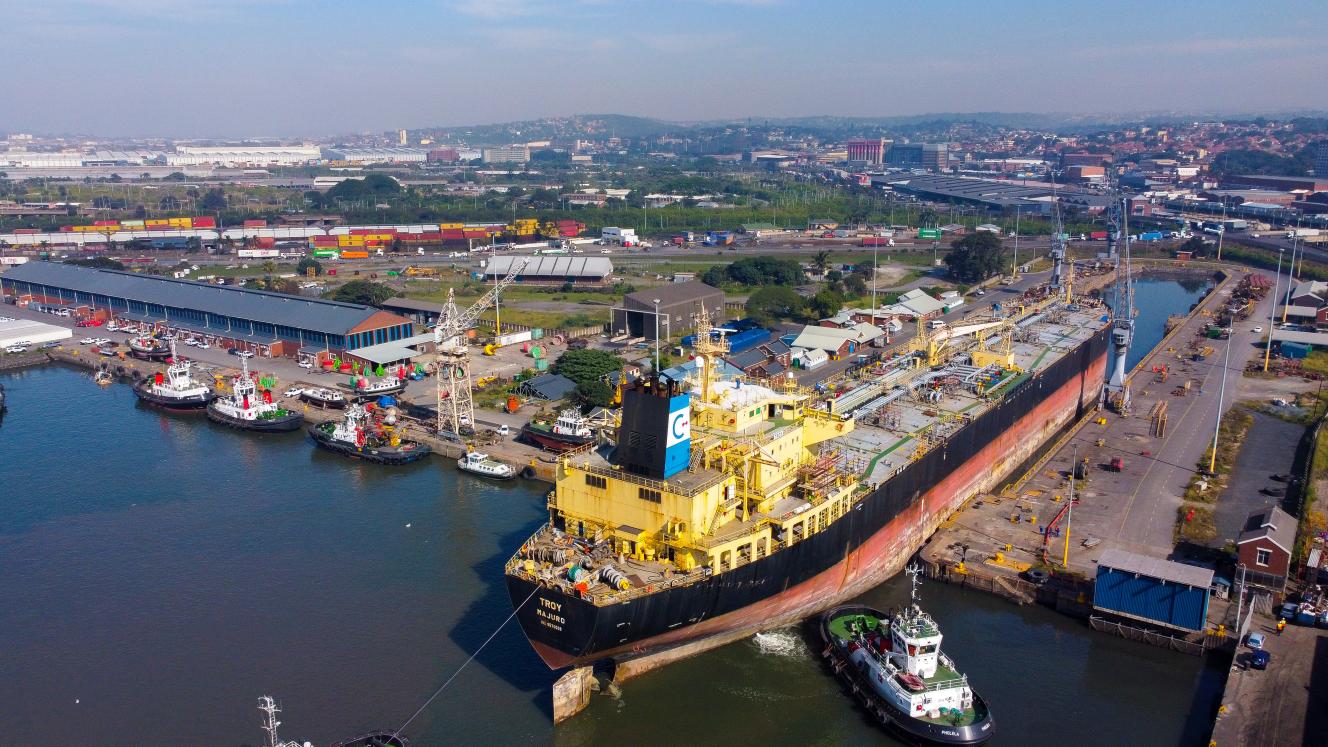
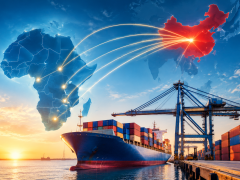
The African market is an integral part of the Mediterranean Shipping Company (MSC) business life, according to director Glenn Delve. “We trade in all the major ports in the continent,” he told FTW, “and from South Africa we have weekly direct or indirect calls in the ports along both the east and west coasts.” For West Africa, MSC uses Las Palmas on the Canary Islands as its hub port with weekly feeder services into all the ports along the West African coastline, except in Angola, which the line serves directly from SA. The east coast is equally well served, with weekly calls at the ports along the Mozambique coastline – and with cargoes transported into and out of the hinterland and overborder to and from the other south eastern African countries. The other central and eastern African countries are served with weekly services to the hub ports at Mombasa in Kenya and Dar es Salaam in Tanzania. Beyond that to the north, MSC services all the Middle East countries from the hub port of Jebel Ali in the United Arab Emirates (UAE), 35-kilometres south-west of Dubai – and, with 67 berths and a size of 134.68 km², the world’s largest manmade harbour and the biggest port in the Middle East. The south, east and north east of Africa is also serviced onwards to the Indian sub-continent, and the Far East. The line uses either Durban or the new 16-m draught, deep-water port of Ngqura extensively as alternate hubs for cargoes from Europe and the Far East directly into SA or up the coasts to East and West Africa. “That,” said Delve, “is a choice made depending on the respective fluidity at each of the ports.” There is also the vibrancy of the new monarch of the trade world – China. “China is now unbreakably linked with the African continent, and South Africa with China,” he said. “MSC is a major sea connection between these two huge continents.”
Streamlined hubs facilitate regular seafreight links
Comments | 0
© Now Media. This content is protected by copyright and may not be adapted or republished. If you would like to discuss cooperation opportunities, please contact: editor@freightnews.co.za.