“South Africa finds itself at a crossroads” is the way Chapter 1 of the mediumterm budget policy statements starts.
This is apt as there is a significant shortfall in spending on roads, according to the midyear performance status published by the department of transport as part of the budget.
According to the report, by June 2018 some 182 kilometres of provincial roads had been surfaced (against a target of 1 600 km for the year); 385 km had been resealed (target 4 300km); 1 044 km had been re-gravelled (target 5 800 km); 82 149 km had been bladed (target 485 000km), and 308 732 square kilometres of blacktop patching had been done on provincial roads (target 900 000 km for the year).
Failure to meet the targets will add to the backlogs which are making it more costly to move goods by road in South Africa. In July this year transport minister Blade Nzimande told parliament that “the magnitude of maintenance backlogs due to lack of funding is such that it is unlikely to be addressed through national transfers and subsidies, especially given the National Treasury’s commitment to fiscal consolidation.
“This requires a different asset management approach. Road authorities need to revisit their maintenance strategies by looking at the relationship between infrastructure and mobility, so that the range of optional interventions can be broadened, to extend the lifetime of road assets,” he said.
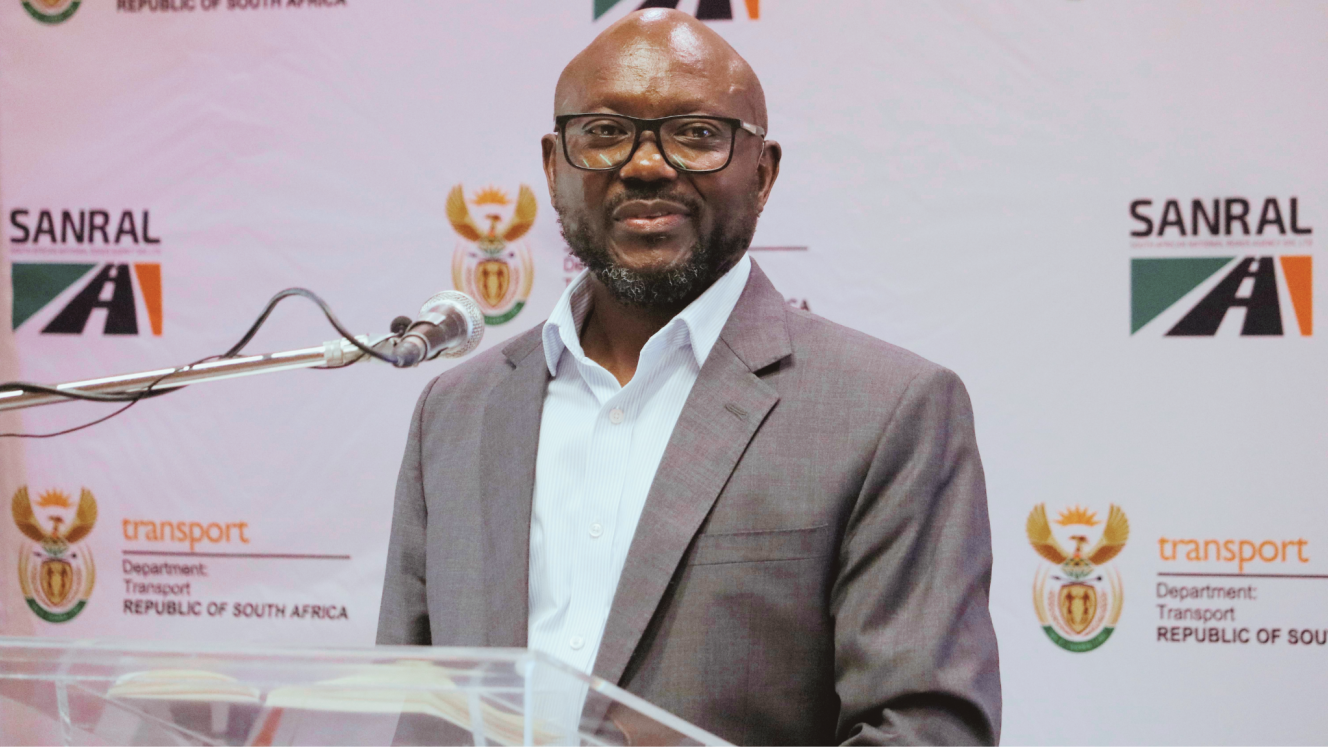
In his medium term budget speech finance minister Tito Mboweni confirmed that there would be no more money for roads – apart from a R5.8 billion bailout for the South African National Roads Agency (Sanral), which is responsible for the national roads. Mboweni put the onus for the funding of roads on the shoulders of road users.
“Given the land transport intensity of our economy, it is vital that our road network supports growth and development.
“Over the medium term, funds are reprioritised to enable the strengthening and rehabilitation of the national non-toll road network, of which about 75% is beyond its design life. But if we want a road transport infrastructure that works, we need to pay our tolls,” he told parliament and the nation. “Government remains committed to the user pay principle because it is the most efficient and effective way to ensure that the direct benefits of services are paid for by those who use them.
“We need to restore a culture of payment in this country to ensure the sustainability of our services and to give confidence to those institutions who invest in our bonds.”