Space has been singled
out as one of the
biggest challenges
facing the Western
Cape commercial and
industrial property sector –
especially for
the logistics
industry.
According to
Tony Galetti,
joint CEO
of brokerage
firm Galetti
Knight Frank,
because of the
surrounding
mountains there
is not much
room for further
development in Cape Town.
“It is getting harder and
harder to source well-placed
property for the logistics
industry,” he told FTW. “The
obvious result of this is that
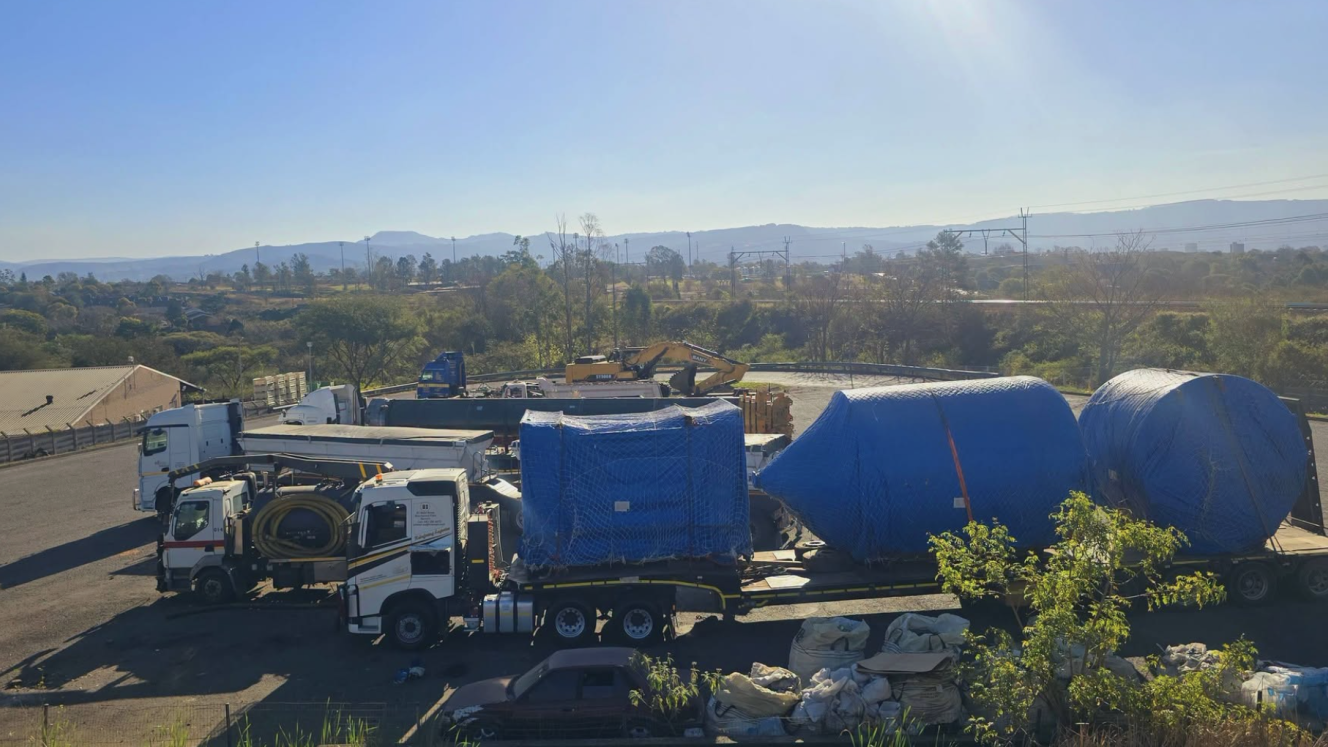
logistics hubs
are moving
further from the
city and from
the port, which
indirectly can
increase costs in
some instances.”
Also, he said,
the shortage of
land puts an
upward pressure
on price, thus
increasing total
building costs and ultimately
rentals.
As it is Western Cape
property prices have
traditionally been higher than
the other provinces in the
country, said CEO Francois
Staples. “I think some of the
reasons for this include the
strong tourism market that
has now been enhanced by the
devaluation of the currency,
well-run local government,
and a clean and relatively
safe city centre. In general,
investors are prepared to accept
a yield up to 1% lower than in
Gauteng. Demand is still high
for investment stock in the
Western Cape although supply
is currently limited – but with
increasing interest rates over
the medium term we may see
some more stock coming to
market.”
In the industrial and logistics
property markets, Cape Town
was in fact quite similar to
Durban, said Galetti. “Both
cities are mountainous and
have limited or no available
space for new distribution and
logistics centres close to the
port and city. As a result they
have to decentralise.”
The two cities are also both
inbound and outbound port
cities. Port Elizabeth on the
other hand, as a port city, and
the new Coega development,
have a lot of available land so
there is adequate space for new
logistics properties.
“Gauteng is obviously the
industrial heartland of the
country and is also serving
as the port of entry for road
and train logistics operations
into sub-Saharan Africa.
Fortunately for the Gauteng
region, it is largely flat and
there is more than enough land
to allow circular and targeted
urban sprawl to major hubs as
required.”
INSERT & CAPTION 1
Demand is still high
for investment stock
in the Western Cape
although supply is
currently limited.
– Francois Staples
INSERT & CAPTION 2
Logistics hubs are
moving further from
the city and from the
port.
– Tony Galetti
Space constraints force logistics industry to decentralise
Comments | 0
© Now Media. This content is protected by copyright and may not be adapted or republished. If you would like to discuss cooperation opportunities, please contact: editor@freightnews.co.za.