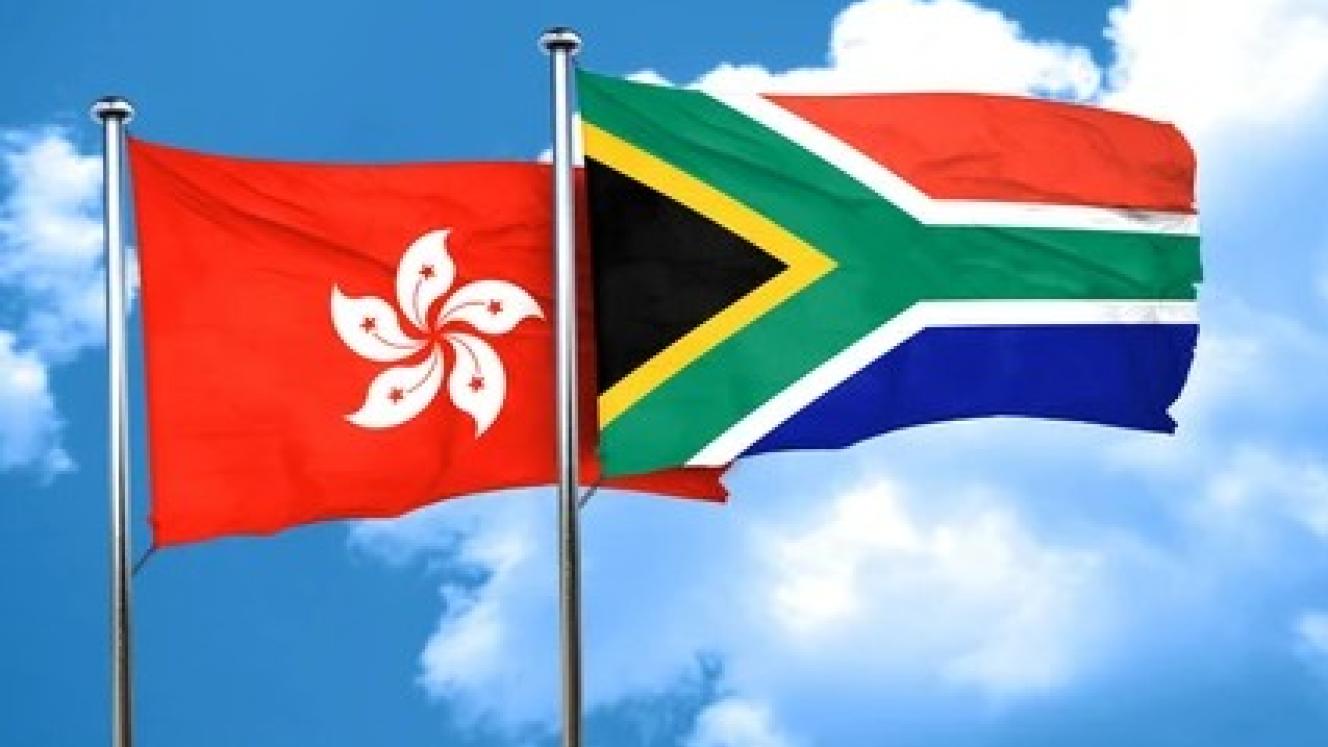
Trade between South Africa and Hong Kong is continuing to grow, creating opportunities for local companies seeking access to the Chinese market.
According to Gary Ng, senior economist at the Hong Kong Trade Development Council (HKTDC), bilateral trade between Africa and Hong Kong reached $6.5 billion in 2025, reflecting year-on-year growth of 9%. “South Africa is Hong Kong’s largest trading partner in Africa, our fourth-largest export market globally and our largest import source on the continent,” he told the Exporters Western Cape (EWC).
Ng said Hong Kong’s exports to South Africa were dominated by electronics, particularly telecommunications equipment such as mobile phones, computers and related devices, which account for around 70% of total exports. Imports from South Africa include silver, pearls, precious and semi-precious stones, as well as fruits and nuts.
“It is important to note that almost all exports out of Hong Kong are re-exports, meaning they are not domestically produced. We import from elsewhere, predominantly mainland China and then re-export to the rest of the world,” he said.
According to Ng, Hong Kong’s GDP was about $400bn, but it was the seventh-largest trading entity in the world in 2024, with the value of trade amounting to 3.6 times its GDP.
“This ratio is the highest in the world and reflects Hong Kong’s deep integration into international trade,” said Ng. “There are many reasons for this, but first and foremost is its simple, low-tax approach to trade. Hong Kong has no import duties, apart from a very limited number of products, and there is no GST or VAT.”
He added that Hong Kong also benefited from a strong geographical advantage, with the city located within a four-hour flight to all major Asian cities and just five hours’ flying time from half of the world’s population.
Hong Kong International Airport remains one of the busiest air cargo hubs globally, handling around five million tons of cargo per year.
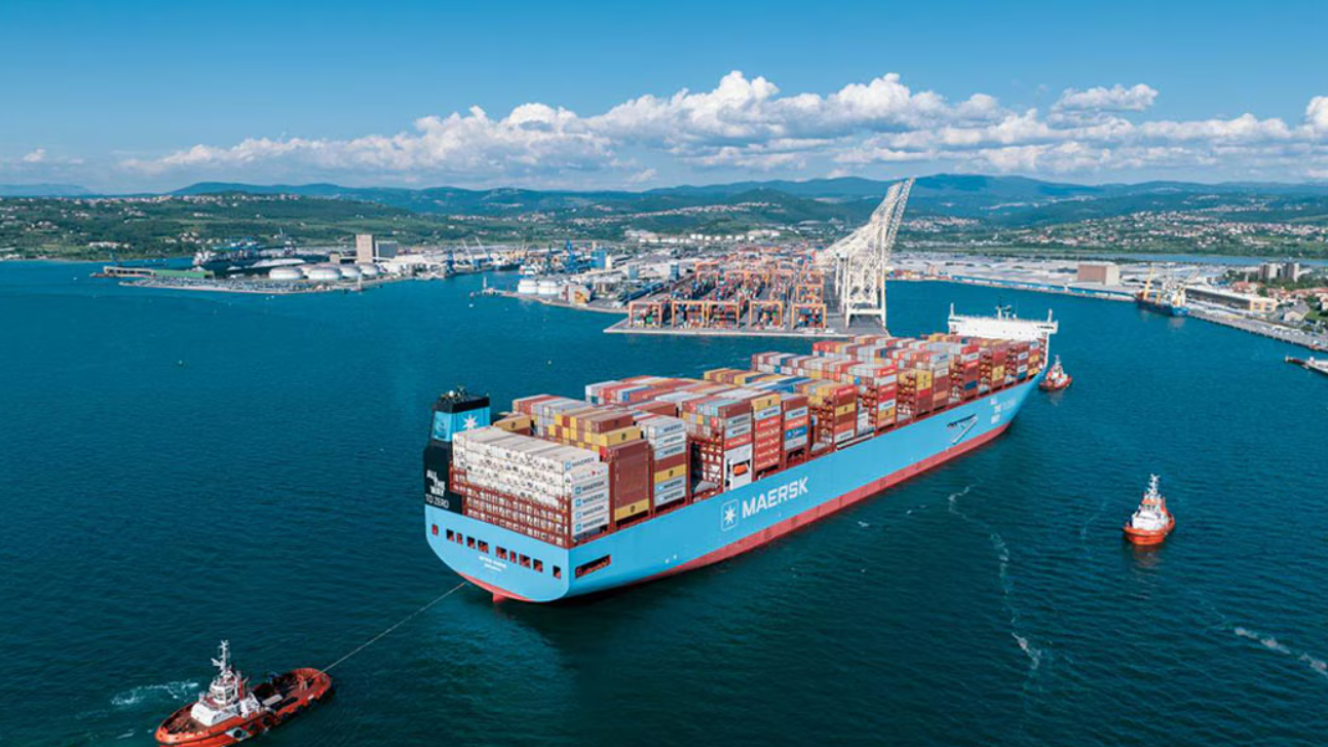
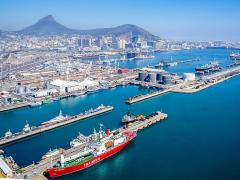
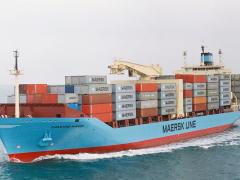
Ng said the Port of Hong Kong was also among the world’s busiest and was often regarded as a “catch-up” port. The average vessel stay for loading or unloading is around one day, compared with closer to two days at many major ports. This was largely due to efficient customs clearance and well-developed port infrastructure in Hong Kong.
According to Conrad Hendry, HKTDC’s South African consultant, the benefits of using Hong Kong as a gateway into the Chinese market are well documented. “With exporters facing tariffs of up to 30% for certain sectors into the United States, Hong Kong is well positioned to give South African companies access to China and the Greater Bay Area,” he said.
He added that duties and tariffs were significantly lower, while transit times were shorter and congestion less severe than at other ports.
“We have had very good engagement over the past few days with Western Cape exporters, particularly those in the fruit sector,” he told Freight News.