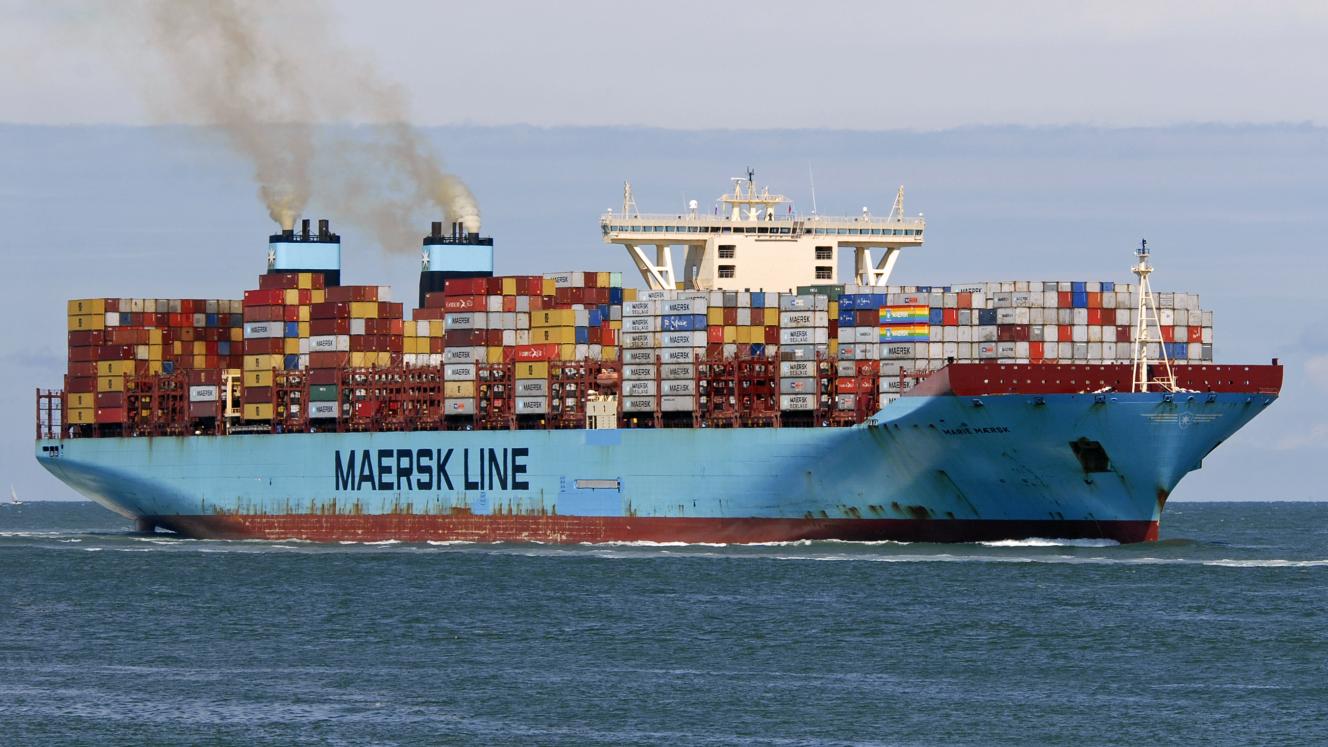
Far-reaching changes to the world shipping trade have been called for to combat global warming. A United Nations Conference on Trade and Development (Unctad) meeting in Geneva recently was told that carbon dioxide emissions by the world shipping industry could triple by 2050 if no steps were taken. The Unctad "Maritime transport and the climate change challenge" meeting is the start of multi-year expert consideration of "transport and trade facilitation." At present over 80% of world trade is carried in seaborne vessels, and their engines now contribute between 1.6% and 4.1% of global carbon dioxide emissions. Refinements of hull and vessel design, engines, propulsion systems, and operational measures, such as using optimal vessel speed for the world's freight carriers, could significantly reduce emissions, according to marine engineers and economists. Dealing with climate change is a priority that should not be undermined by other concerns, including the current global economic and financial crisis, participants in the February meeting said. "It is difficult to overstate the threat posed by climate change," Unctad Acting Deputy Secretary- General Lakshmi Puri said in an opening address. Among suggestions made at the meeting were that further studies be conducted on the relationships between maritime transport and climate change – including the impact of rising sea levels and more severe storms on transport infrastructure, including ports and coastline transport corridors. “True progress” in facing climate change would come from advances in energy use; sharing current knowledge and technology, and new knowledge and technology as they become available. Developing countries, which depend heavily on increased trade for achieving economic progress, are especially vulnerable to climate shifts and in many cases lack the resources that rich nations have for carrying out mitigation efforts, several experts told the meeting.
Shipping carbon emissions could treble by 2050
Comments | 0
© Now Media. This content is protected by copyright and may not be adapted or republished. If you would like to discuss cooperation opportunities, please contact: editor@freightnews.co.za.