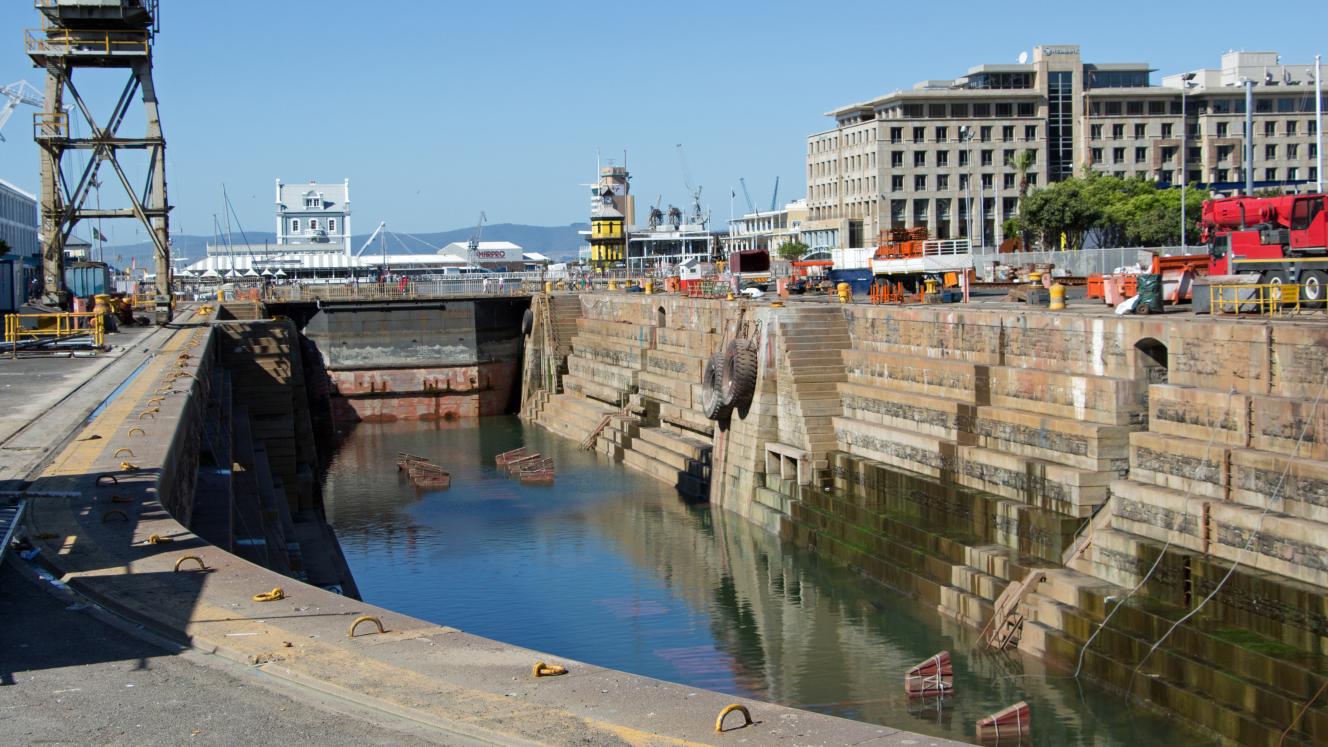
It’s a sad reality in the SA context that our logistics enablers are the very institutions that appear to be sabotaging any post-recession rebound. Recent news that major perishable exporter GoReefers has switched from Durban to Maputo – which is cheaper and more efficient – is evidence that shippers are beginning to vote with their feet. “The volume cargo movers DO have a choice,” says Dave Johnson of Edgin Logistics, “and at the moment South Africa is not it – we’re expensive, we’re inefficient and we don’t care.” A harsh indictment that sums up the prevailing sentiment among the majority of Transnet customers. “The Transnet strike earlier this year proved quite damning for our business,” says Johnson. “Not only was there virtually no containerised cargo movement, and hence no unpacking and packing at our facilities, but our staff complement usually travels to work largely by passenger trains and had to arrive, late more often than not, by other means. “The disruption, both during the strike and after while everyone played catch-up, has obviously had a negative effect on our turnover and probably means a sharp drop in year-end profits. In a low margin business like ours you simply can’t stop working for 10% of the year and expect good results,” says Johnson. “Couple that with a relatively quiet June/July because of World Cup activity, and it soon becomes apparent that the second half of 2010 had better produce some good volumes otherwise the year overall is going to be dismal.” During the strike exporters had to look at other options and Maputo rose to the challenge, says Johnson. “Not only operationally but it also came in cheaper than Durban. It’s one of those immeasurable losses that come about as a result of a long strike. The door is open now – and with economy of scale the loss to our country will be large.” Johnson contends that large parastatals like Transnet should enter into an agreement with their employees and the controlling unions that all salary packages increase each year by the exact percentage of that division’s rate increase to its customers. “That way market forces will be the major influencing factor, and there won’t be any disputes and strikes that cripple the national economy.” In addition, he believes an organisation like Transnet, which is state-owned and so vital to the success of our economy as a whole, simply cannot post profits of over R14 billion during a worldwide recession. “Where is the Competition Board? Transnet needs to distribute 90% of that profit back into the businesses and individuals from whom they profit.” This can be accomplished in two ways in his view. Firstly by employing qualified, interested and accountable staff and paying them accordingly. “This will improve port and rail efficiency and job satisfaction. “The second is to place a moratorium on further increases in port services so that volumes of cargo imported and exported can get back to previous levels. They must start to understand that although they have a monopoly in our ports and believe they can charge what they want, there is a significant volume of African business that we lose to other countries, and there is even more that doesn’t even take place because the logistics are too costly. When that happens we all lose.”
Shippers vote with their feet against Transnet inefficiency
Comments | 0