An independent research institution in the Norwegian city of Trondheim, Sintef, has released research showing that exhaust gas cleaning systems (EGCS) are the best way for lines to help reduce harmful C02 emissions.
And although retrofitting ships with EGCS comes at significant input cost, it’s generally seen as the best way to cope with the 0.5% sulphur reduction that the IMO will begin to enforce from January 1, 2020.
Another alternative will be to use low-sulphur fuel or to switch to liquid natural gas, a move regarded as too expensive by most lines.
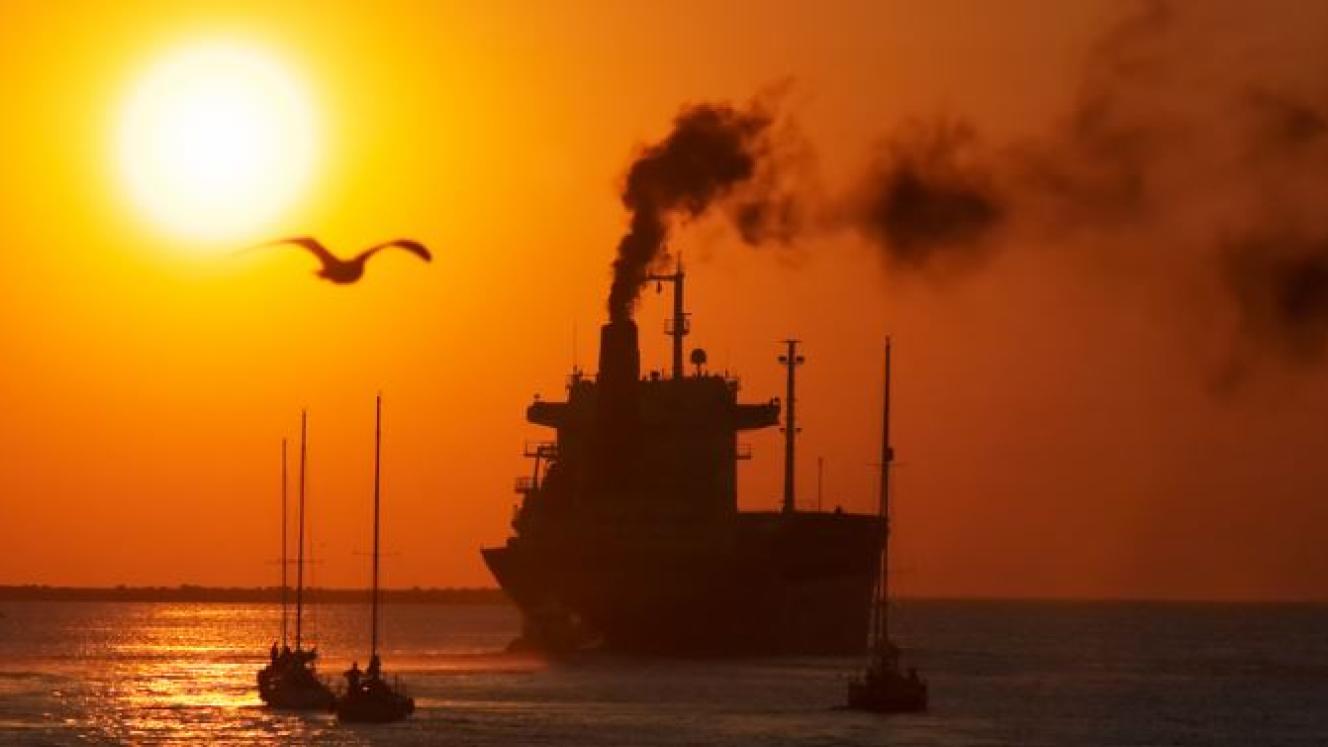
However, in recent times many critics have said that EGCS, commonly known as “scrubbers”, and other fume decontamination methods such as Exhaust Gas Recirculation (EGR), are not without fault.
In many instances it has been said that the water-wash methods of EGCS and EGR merely take air pollutants out of the equation by evacuating them into the sea.
Yet Sintef chief scientist Dr Elizabeth Lindstad has said that her research has found that EGCS and EGR are the best way keep ocean skies clean.
“Studies indicated that two-stroke engines with EGR and scrubbers represented the most cost-effective and greenhouse gas effective way of meeting the IMO 2020 restriction.”
Lindstadt also indicated that the sulphur cap should possibly be reconsidered for lesser polluted areas, thereby taking the strain off lines, bunker facilities and related infrastructure to comply with the restrictions.
Several lines and port facilities have already indicated that costs related to complying with the sulphur cap will ultimately be passed on to consumers.