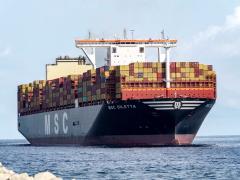
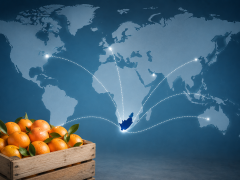
FORECASTS are dicey at the best of times, especially where weather-prone fruit is involved. Even so the apple and pear sector anticipates next year’s crop could be up to 10% higher than the previous year in those areas which have not been affected by frost and flooding. Charles Hughes, CEO of Tru-Cape, which exports 33% of all South African apples and pears to overseas markets, however warns that it may not be an altogether easy ride for producers. He believes the exchange rate could play a negative role while some overseas markets are expected to go into recession and shipping rates are up quite substantially. Tru-Cape, a major exporter of apples and pears to Capespan in the UK and Europe, cannot stress enough the importance of liner schedule integrity, particularly for an industry producing a time-sensitive product. The company uses a variety of carriers, conventional and containerised, to Europe and containerised vessels only to the Far East. To illustrate his point, he recalls: “One of the lines suddenly changed its route and we went from 25 days’ to 35-40 days’ shipping – ridiculous. “We cannot afford to keep fruit at sea so speed into the market is very important. Because of that particular shipping line, which we shall not be using any longer, we were forced to pick up the cost as we were late onto the market with our product and entered into a low-price slump, costing us about US$4-US$5 a carton.”
Schedule glitch results in massive loss for fruit exporter
Comments | 0
© Now Media. This content is protected by copyright and may not be adapted or republished. If you would like to discuss cooperation opportunities, please contact: editor@freightnews.co.za.