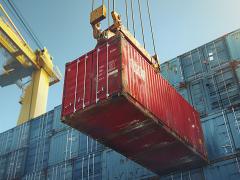
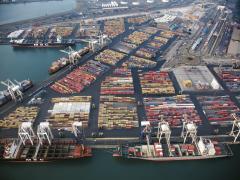
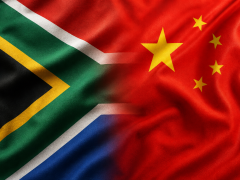
Poles apart they may well be, but George Mallory and Charles Hughes share a common goal. For the British mountaineer it was all about conquering Mount Everest, world’s highest peak …“because it’s there”. For the South African exporter and MD of Tru- Cape Fruit Marketing, South Africa’s biggest apple and pear exporter, it’s also “because it’s there” – in this instance China, with its vast trading potential. The curtain is about to rise on Act One, possibly before the end of the year, of what could be the start of a momentous journey for South African apples as the Chinese government finally opens its doors to exports of crispy, crunchy Fuji and Royal Gala varieties. (The Chinese do not seek our pears). And as much as Hughes appreciates the multi-faceted Chinese cuisine and the wondrous country, he has not journeyed nearly 50 times to China merely for a love of the food – indeed he has been a key player in the preamble to the protocol. One has to ask oneself, though, about the practicality of exporting apples to China given this country only has some 18 000ha under cultivation (about 7.5% of total Chinese production) whereas China has around 240 000ha under cultivation but only exports some 8% in a good year. For the Chinese, eating goes far beyond rice and noodles – fruit too. Some 92% of the product is consumed locally, hence the need for imports from the likes of the US, Chile and New Zealand. The flagging South Africa/China protocol, in place but not implemented, concerns South Africa’s intention to export apples while the Chinese are out to export their summer dates in return. (Unlike the Egyptian date, this is sweet and bright yellow in colour). “Chinese inspections have taken place in South Africa but the problem with the protocol relates to their summer dates, a product that has yet to become available to us, its export potential therefore unknown for now.” As to the possibilities for South Africa under the protocol, Hughes believes the country could export one million cartons a year to China, valued at between R70 and R140 million. “It must be said, though, that this is another magical piece of string because it would be a completely new market for us and on the other side of the coin, market potential is what you want it to be.”
Scene set for China to open doors to SA apples
Comments | 0