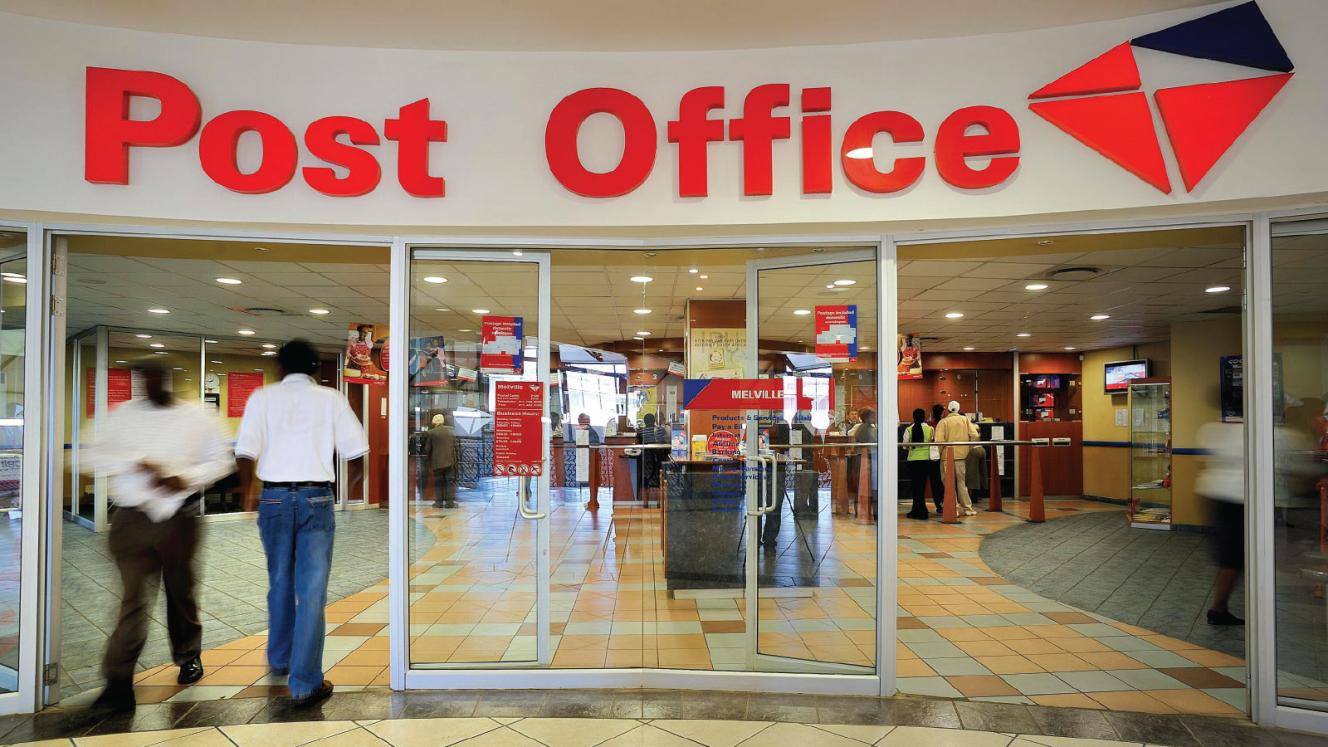
Questions have been raised about the ongoing business viability of the South African Post Office amid threats of another Communication Workers’ Union (CWU) strike if the African National Congress (ANC) does not respond to the union’s demands around salaries and other staff concerns.
This follows last week’s announcement that a R125 000 fine had been levied against the South African Post Office (Sapo) for failure to deliver mail during strike action by its workers at the end of 2014.
On Thursday last week, the Complaints and Compliance Committee (CCC) of the Independent Communications Authority of South Africa (Icasa) announced that it had fined the South African Post Office (Sapo) R125 000. The fine has been suspended for three years.
This judgement followed formal complaints lodged with Icasa against Sapo by the Concerned Group of Specialist Magazine Publishers – including Now Media, which owns FTW – following the extended strike action by the Sapo workforce during 2014, and in previous years.
A day later (Friday last week), the CWU gave the ANC seven days to respond to its demands, promising “hell and damnation” if the ruling party did not accede to them.
They are demanding that all Sapo positions be converted to permanent positions; that the 2014 salary increase for post office workers be implemented and backdated; and that the 2015/16 salary dispute be resolved.
Now Media, which welcomed the R125 000 fine, has expressed serious doubts about relying on the state-owned facility for its deliveries going forward.
“There has clearly been a culture of poor management and while we are hopeful that the CEO, Mark Barnes, will reach his expressed goal of turning the troubled post office into a profitable entity again, we do have our reservations,” said Now Media MD, Anton Marsh.
Sapo announced in February this year that it was facing a R1.5-billion loss and Marsh told FTW that questions remained about the feasibility of the entity in its current form and its place within the South African economy. “We have to ask ourselves, can we afford to give them another chance? The government has a poor track record with its public enterprises. The post office is an important part of the economy – should parliament not challenge the historical role and see if the structure is still relevant or perhaps it should be revised.”
Despite calls for privatisation of the post office, Barnes was widely quoted in the media as saying that Sapo was not considering that as an option. “What we’re going to do now has got nothing to do with privatisation; it’s just got to do with turning a business around in accordance with their strategic turnaround plan and making it a viable business-connected business,” he said.
Barnes has said that he will leverage the post office’s strengths to turn its fortunes around. This includes the “legislative protection” it has as a state-owned entity, its “very low cost of capital” and its wide reach across the country.
According to Barnes, these features could be adapted to help Sapo take on courier competitors as well, Barnes added.
However, Sapo still has several challenges ahead. Aside from disgruntled workers and anther strike threat, the Concerned Group of Specialist Magazine Publishers are considering a possible action for damages sustained by them resulting from the state-owned entity being unable to meet its license conditions and statutory obligations.
“However, before such action, the publishers will follow all other avenues of due process, which includes due consideration of the findings of the CCC in response to the formal complaint to the Independent Communications Authority of South Africa (Icasa),” said Chris Yelland, spokesman for the group.