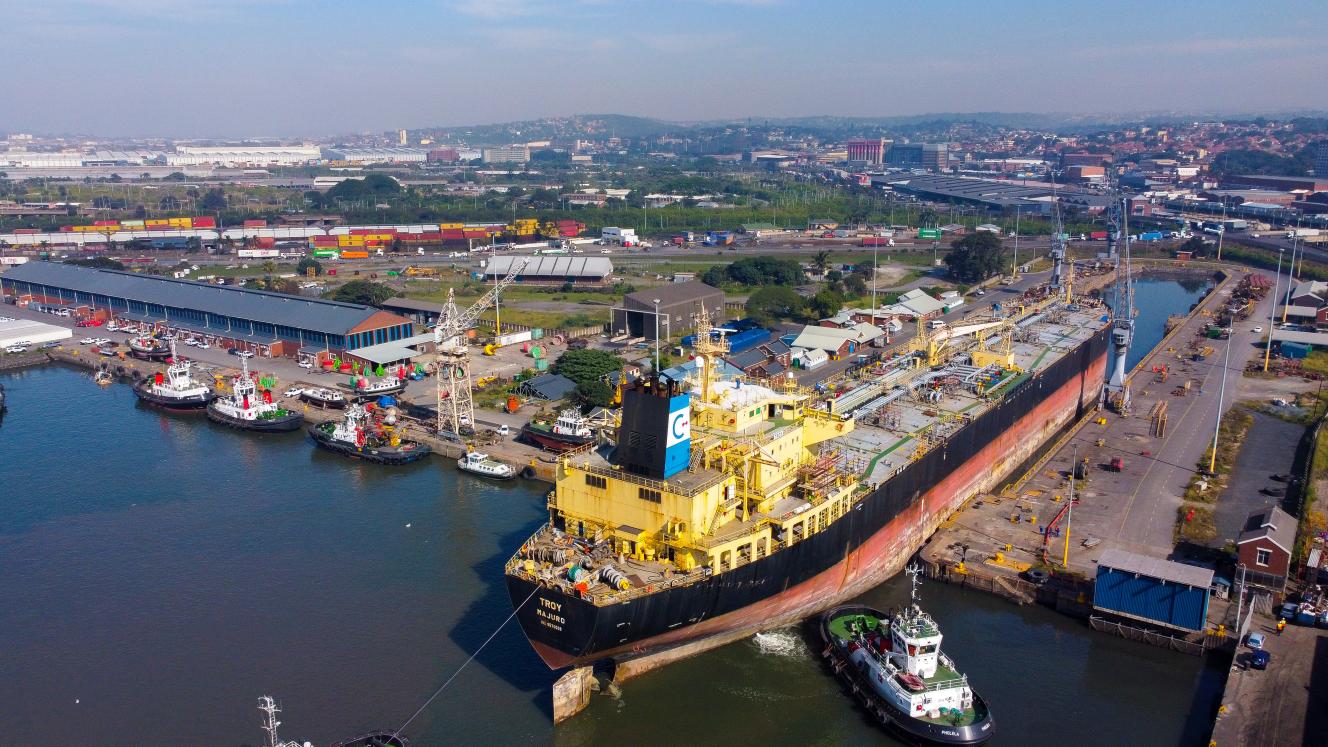
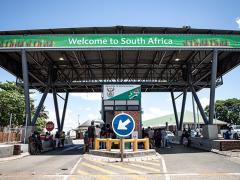
South Africa should wake up to the realisation that it will miss out on major opportunities in the breakbulk and project cargo sectors unless it addresses some serious challenges that impede trade in the region. This was one of the key messages at the recent Breakbulk Africa Transport Congress in Bremen, Germany where industry leaders gathered to discuss how ports operate in Africa, what infrastructure developments are in progress, where the breakbulk transportation bottlenecks exist as well as China’s investment in Africa and the challenges of doing business on the continent. Fanie Pretorius, chairman of the South African Shippers’ Council, attended the event and along with fellow South Africans was part of a panel discussion on infrastructure in South Africa. “The message was loud and clear,” said Pretorius. While South Africa may be the best option for the next five or ten years for moving cargo into Africa, it may well be overtaken and superseded after that. “We would do well to heed this advice and to address the challenges that we face.” He said three of the major concerns regarding South Africa discussed at the conference included the unreasonably high harbour costs, congestion at the port of Durban, and chaos at the various border posts which more often than not resulted in cargo delays. “There was consensus that the South African ports were very good, but that other ports in the region were making great progress – and once China builds the planned railroad linking the East and West of Africa from Walvis Bay to Maputo, there will be no need to rely on South Africa so heavily.” According to Pretorius, while South Africa continues to strategise about what it wants to do with its ports, other countries in Africa are actively implementing their plans. “Transnet’s strategy shows something being planned at each port but there is no consensus over what is priority and when it’s going to happen,” he told FTW. He said the Shippers’ Council remained more than willing to engage in discussions with Transnet on what needed to be prioritised and how to ensure that port development happened alongside hinterland connections. “One must not forget that China is definitely not asleep. They are extremely active across Africa and are developing ways of getting the minerals that they need out of this continent. They are not waiting for South Africa to make up its mind about what it wants to do.” He said experts at the Bremen conference agreed that China’s continuous investment in infrastructure in Africa would without doubt lead to South Africa being taken out of the picture from a cost and efficiency perspective – unless the country started taking urgent action. The way to maintain our status as the gateway to Africa is to think long term and define our role across borders to ensure that the link between South African ports and the rest of southern Africa remains superior, said Pretorius.
SA warned to shape up or lose out
Comments | 0
© Now Media. This content is protected by copyright and may not be adapted or republished. If you would like to discuss cooperation opportunities, please contact: editor@freightnews.co.za.