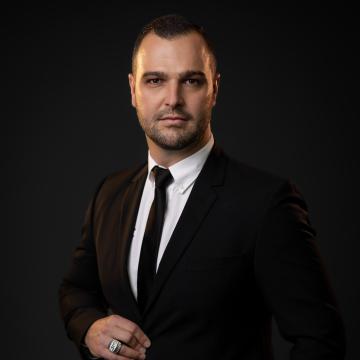
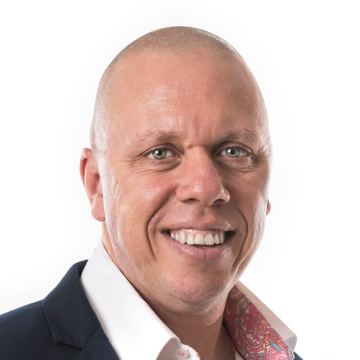
Pretoria – South Africa is still an attractive destination to those who are interested in mineral investments, says Chamber Mines president Mike Teke.
Addressing the Economic Policy Dialogue in Pretoria on Monday, Teke said the Chamber of Mines was excited about the Mining Phakisa operation that had recently been announced by the government.
He said the Mining Phakisa would assist the mining sector in addressing issues that included how to encourage investment growth and transformation in the mining industry.
“We are participating [in Mining Phakisa] and the kick-off meetings have started.
“The mining industry needs to focus on growing globally competitive mining companies to facilitate investment into South Africa,” Teke said.
He said the mining sector had improved safety in the mines adding that in 1993 the industry had recorded 593 fatalities. In 2013 the number was below 100 and last year the industry had 83 fatalities.
“We take this industry seriously; we take all these issues that relate to fatalities seriously and beneficiation itself very seriously,” Teke said.
The dialogue focused on the challenges and opportunities for South Africa in its path towards mineral beneficiation.
South Africa’s mining sector contributes 7.6 percent to the Gross Domestic Product (GDP), 26 percent of merchandise exports and around 50 percent of mining and mining-related merchandise in terms of exports, he said.
The mining industry also contributed 18.7 percent of the JSE market capitalisation and 14 percent to foreign direct investment in 2013.
The sector employs about 500 000 people and almost 1.3 million indirect employees.
Institute for African Alternatives director Professor Ben Turok, who was also a speaker at the Economic Policy Dialogue, called on the government and the private sector to work together to repair the state of the economy.
“The time has come for us to say that this is a mixed economy in which the State and the private sector has to find ways and means of working together, each one from their position of strength, from mutual respect and understanding,” Professor Turok said.
He said big business, even foreign multinational corporations, were very dependent on the state and the state was very dependent on the private sector.
“The state does things that the private sector will not do and where large investments are required."
Professor Turok said big business was also dependent on the state for legislation, regulation, macro-economic stability and fiscal policy. – SAnews.gov.za
'SA still an attractive investment destination'
Comments | 0
© Now Media. This content is protected by copyright and may not be adapted or republished. If you would like to discuss cooperation opportunities, please contact: editor@freightnews.co.za.