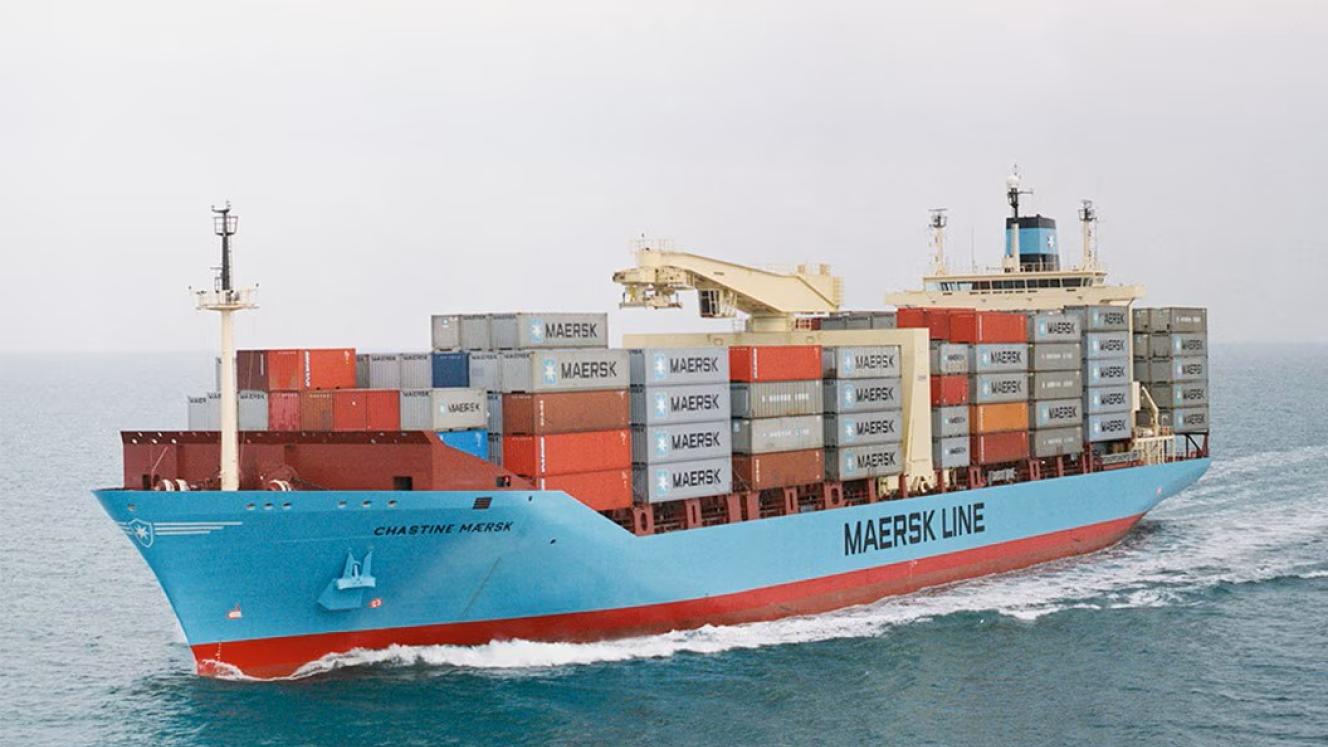
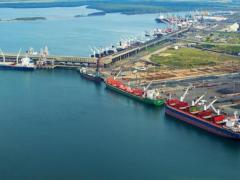
South Africa has been ranked 28th most-efficient logistics country in the world according to “Connecting to Compete 2010” – the World Bank’s latest logistics performance index (LPI) for 155 countries around the globe. SA also appears at the top or high up in other of the LPI lists, and can certainly claim to be a good logistics performer when rated for international logistics efficiency. For example, SA was in first spot in the Top 10 logistics performers amongst upper middle-income countries – followed by Malaysia, Poland, Lebanon, Latvia, Turkey, Brazil, Lithuania, Argentina and Chile. We also won a listing amongst the 10 most significant over-performers (excluding high-income countries) where SA was joined by Bangladesh; China; Democratic Republic of Congo; India, Madagascar, Philippines, Thailand, Uganda, and Vietnam (in no specific order). And being a good performer here is a very good indicator of just how well we can expect the SA economy to fare in the highly competitive global trade arena. “The importance of efficient logistics for trade and growth is now widely acknowledged,” said the World Bank. “A historical analysis based on the 2007 LPI or similar information has shown that better logistics performance is strongly associated with trade expansion, export diversification, ability to attract foreign direct investments and economic growth. “In other words, trade logistics matter.” But, before we all go patting ourselves firmly on the back, a serious word of warning from the SA research specialists, the Council for Scientific and Industrial Research (CSIR). In its 2009 annual “State of Logistics (SOL)” survey for SA, the council pointed out that the World Bank index was divided into international and domestic. There’s no doubt about our relative excellence on the international logistics scale – which is composed of six items: Efficiency of the customs clearance process; quality of trade and transportrelated infrastructure; ease of arranging competitively priced shipments; competence and quality of logistics services; ability to track and trace consignments; and frequency with which shipments reach the consignee within the scheduled or expected time. However, said the CSIR, it’s a different story if you look at SA rated on internal (domestic) logistics costs. In the original 2007 World Bank international index, SA was ranked 24th out of 150 countries, and it was the best-ranked developing country – even beating China (placed 30th). But, the CSIR ominously added, when rated on the domestic logistics costs, SA was placed only 124th – with transport remaining the biggest contributor. “These high logistics costs remain the biggest concern for the industry,” according to the CSIR’s 2009 SOL, “and if SA wants to compete in the global marketplace they need immediate attention.” It has been well documented that the direct cost of logistics in the European Union (EU) and North America typically runs in the order of 7%-8% of gross domestic product (GDP). But, said the CSIR’s SOL, the overall logistics cost in SA was measured as 15.9% of GDP. “This,” Martin Bailey, MD of Industrial Logistic Systems, told FTW, “means that transport, storage and all other related factors in SA are relatively double that of the developed countries. “We have not managed to keep up with the rest of the world to create intelligent, effective transport networks for general freight over rail,” Bailey said. “This means that we are using high-cost road transport to move goods over long distances.”
SA scores high on World Bank logistics index
Comments | 0
© Now Media. This content is protected by copyright and may not be adapted or republished. If you would like to discuss cooperation opportunities, please contact: editor@freightnews.co.za.