South African road freight operators and motorists will see substantial fuel price increases of between R3.06 and R7.51 per litre from Wednesday 1 April.
But a R3 per litre reduction in the general fuel levy will soften the blow.
Finance Minister Enoch Godongwana and Mineral and Petroleum Resources Minister Gwede Mantashe announced the temporary R3 reduction in the fuel levy in a joint statement on Tuesday.
The ministers highlighted how the escalation of conflict in the Middle East has increased risks to global energy markets, placing significant upward pressure on domestic fuel prices.
“The agreed approach consists of an immediate intervention for the next month, and a broader package of measures to support households and key sectors of the economy,” the ministers said.
Despite the temporary levy reduction, fuel prices will still rise sharply due to higher international crude oil and product prices, a weaker rand, and other factors.
Mantashe announced the following adjustments effective 1 April 2026:
Petrol 93 (ULP & LRP): R3.06 per litre increase
Petrol 95 (ULP & LRP): R3.06 per litre increase
Diesel (0.05% sulphur): R7.37 per litre increase
Diesel (0.005% sulphur): R7.51 per litre increase
Illuminating Paraffin (wholesale): R11.67 per litre increase
SMNRP for IP: R15.60 per litre increase
Maximum Retail Price of LPGas: R1.08 per kilogram increase and R1.23 per kilogram increase in the Western Cape.
Godongwana announced that the cut to the general fuel levy will be implemented from April 1.
This will reduce the general fuel levy for petrol from R4.10 per litre to R1.10 per litre and reduce the general fuel levy for diesel from R3.93 per litre to R0.93 per litre for one month. These amounts exclude other levies such as the Road Accident Fund levy and the Carbon Fuel Levy.
National Treasury said it had estimated that the partial reduction in the fuel levy will cost around R6 billion in foregone tax revenue for the one-month period. The relief measure will be re-evaluated on a monthly basis for the following two months.
“The relief measure is designed to be fiscally neutral, and the government will implement mechanisms to recoup the foregone revenue within the fiscal framework approved during the 2026 Budget,” the ministers said.
In reaching this decision, the Minister of Finance said he had sought to balance the socio-economic impact on the country and welfare impact on South African consumers, specifically regarding food and transport inflation, with the fiscal objectives announced in the February Budget.
The Ministers also assured the public that there is sufficient fuel supply in the country to meet current and projected demand.
They said reports of shortages in certain areas are largely due to localised distribution and logistical challenges driven by panic buying rather than a lack of national fuel stocks and these are expected to self-correct in the coming days.
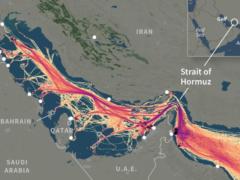
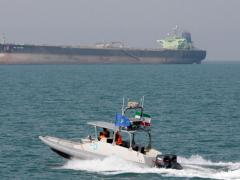
According to the Department of Mineral Resources and Energy the increases are driven primarily by the average Brent Crude oil price rising from US$69.08 to US$93.67 per barrel due to US-Iran tensions affecting supply through the Strait of Hormuz.
International petroleum product prices contributed R5.26 per litre, R9.49 per litre and R10.80 per litre respectively to the basic fuel prices of petrol, diesel and illuminating paraffin. The rand’s depreciation from R16.00 to R16.64 against the US dollar added further upward pressure.
Revised road and pipeline transport tariffs will also take effect, with adjustments varying across the 54 magisterial district pricing zones. The slate levy remains unchanged at zero cents per litre.
According to the statement Mantashe will continue work to review fuel pricing over the medium term and work is underway on a broader package of measures to support households and key sectors of the economy. Further details on additional support measures will be announced in due course.