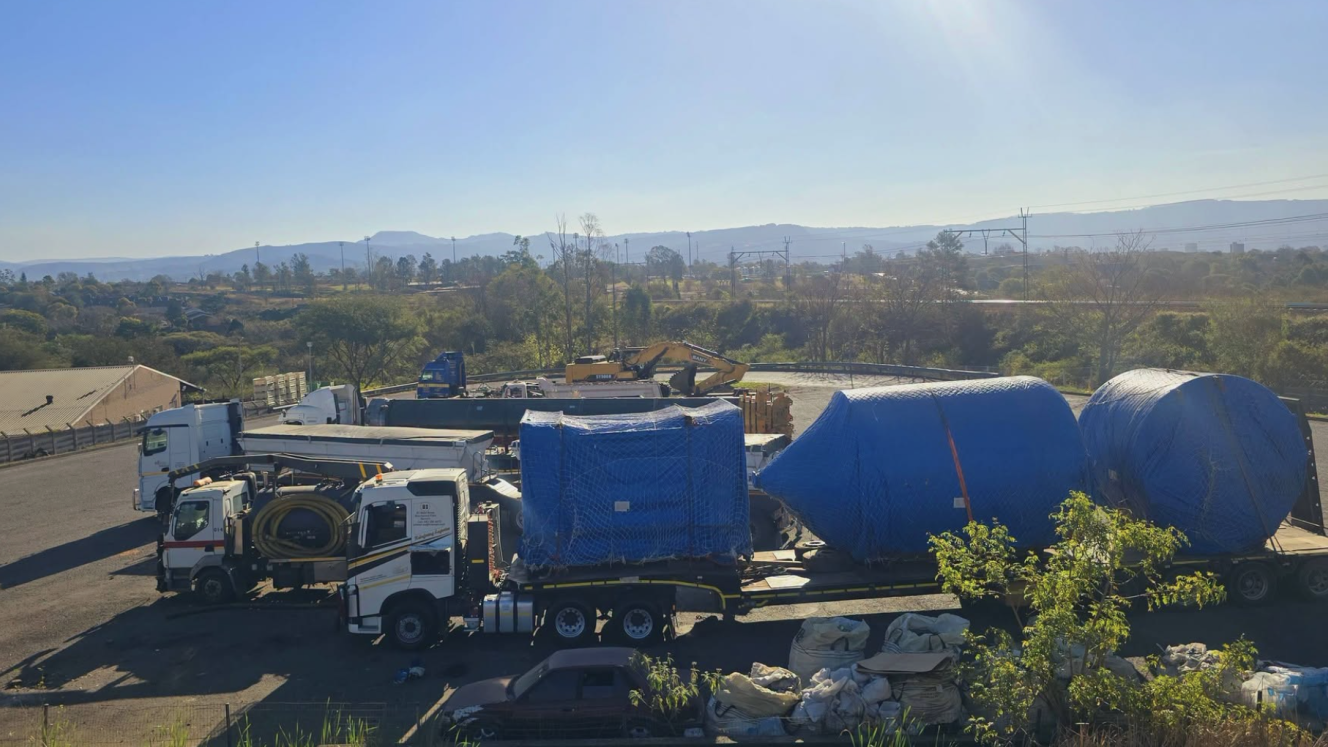
South Africa is among the countries that have, over the past 13 months, imposed six or more measures that restrict trade, according to the European Commission’s 11th Report on potentially trade-restrictive measures released last week. According to the report South Africa introduced six “border barriers” and one export restriction. It is joined by Argentina, Egypt, the United States, Turkey and Thailand in the second level of countries restricting trade. Some 50% of all trade restrictions were introduced by Russia, China, India and Indonesia. The South African export restriction cited by the report is the introduction in August 2013 of legislation that has made all scrap metal exports subject to the issuance of export licences. Licences are only granted if the products have previously – and unsuccessfully – been offered to domestic consumers at a price 20% below international spot prices. One of the spin-offs of the legislation for the Coega Industrial Development Zone is opening of the Agni Steels SA smelter, which is a joint venture between Agni Steel of India and Afro Asian Empowerment Holdings. It can process up to 240 000 tons of scrap a year, according to the company. Scrap is converted into billets, the bulk of which are then exported. Another Coega IDZ facility which is enjoying protection is the Cape Concentrate tomatoprocessing factory, which was designed to produce 48 000 tons of tomato concentrate a year. In May 2012 South Africa increased the ad valorem customs duty on canned tomatoes, tomato paste puree and concentrates in powder form to 37%. “South Africa has been active in regulating imports through numerous individual acts,” says the report.
SA becomes more protectionist
Comments | 0
© Now Media. This content is protected by copyright and may not be adapted or republished. If you would like to discuss cooperation opportunities, please contact: editor@freightnews.co.za.