Electronic manifest submission in the SADC region is working fairly well, with road freight achieving a 95% compliance rate. This is according to Gavin Kelly, acting CEO of the Road Freight Association (RFA). “However, there is still a parallel, manual system in operation,” he says. “No matter how good the electronic system, road transporters are still arriving at the borders wanting to do paperwork,” he explains. Kelly says there is a push to eliminate the manual system entirely, although there is
resistance to this from some freight forwarders. “We still have to work out how freight forwarders would play in such a scenario, without compromise to their businesses.” He says there is a lot of discussion happening in this regard between the SA Revenue Service (Sars) and customs authorities in Mozambique, Zimbabwe, Zambia and Botswana. Namibia, Lesotho and Eswatini are less problematic as their systems mirror those in use in South Africa. According to Kelly,
‘Removers of Goods’ registration with Sars has also gone reasonably well. “There are still some issues with sea and air freight, but we expect these also to be resolved.” He says the RFA has been in talks with the Cross-Border Road Transport Agency (C-BRTA) to discuss crossborder permits. “We would like to make the permits electronic, like e-filing. A lot of the information the C-BRTA wants is held by other databases like e-Natis, Sars or companies via the Companies Registration Act. “We’d like for their system to interface with those systems. It should be possible to apply for a permit from one’s desk or via a chosen clearing agent.” He adds that there have been instances where operators have been fined
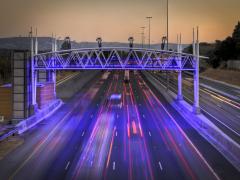
for not handing back consignment notes due to the process either being a “massive” administrative burden or the fact that operators haven't been asked for them before. According to Kelly, the SADC region is pushing for a centralised system for registering operators and issuing permits. “If you're a law-abiding operator, you'll get a permit for the entire SADC region,” he says. The RFA is tackling unknown user charges, where the use of certain roads in certain countries is being charged at varying amounts - or
not at all, he adds. “We are trying to make it possible to travel cross-border without cash, due to the risks involved. There is also a move to be able to establish one's total travel costs upfront.”
CAPTION:
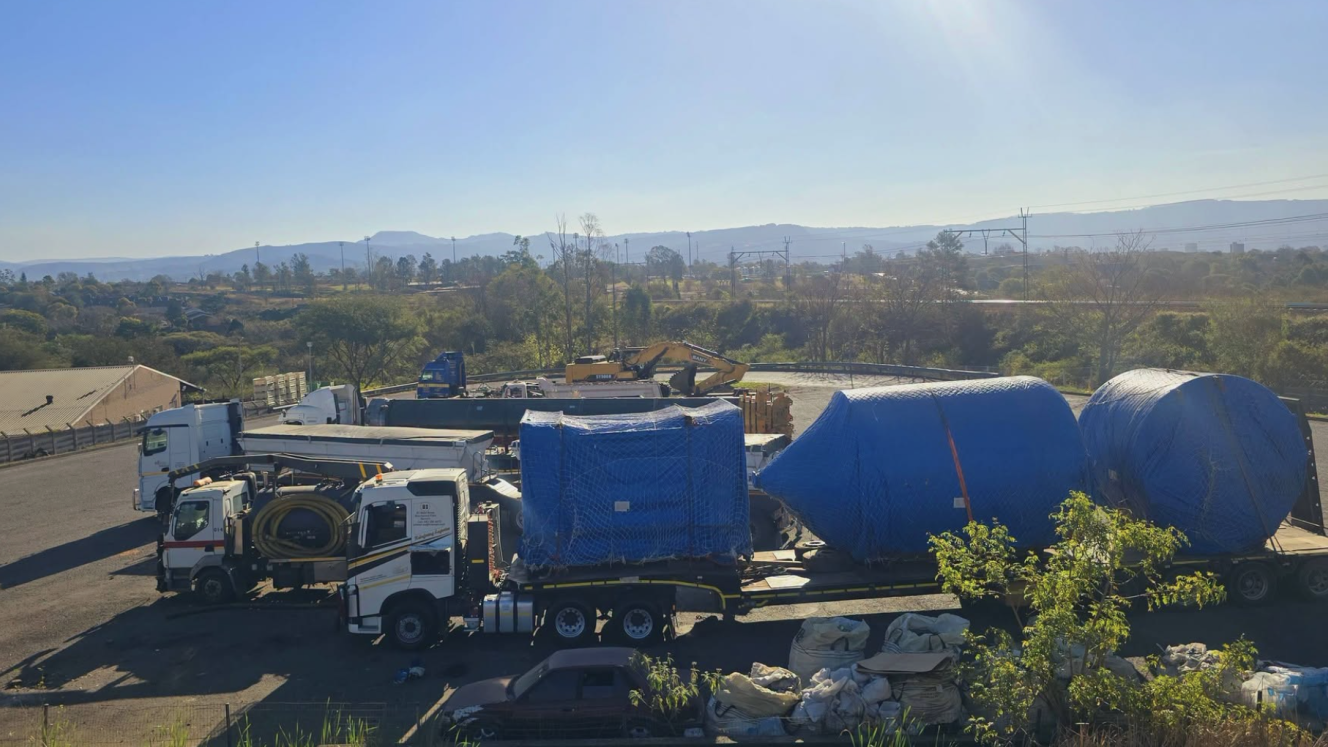
The RFA is tackling unknown user charges, where the use of certain roads in certain countries is being charged at varying amounts. – Gavin Kelly