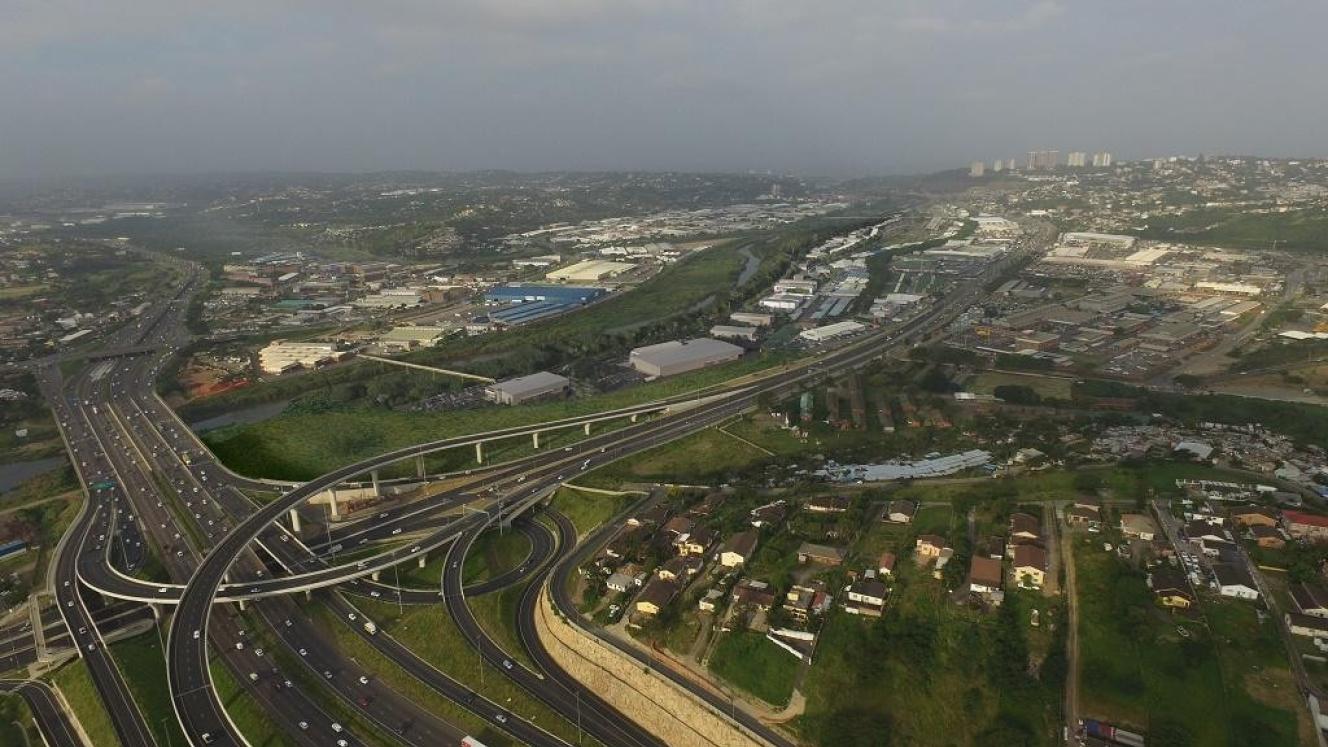
Truckers will have no choice but to head for the secondary routes if toll fees planned for Gauteng amount to some R3.50 per kilometre. With the trucking industry in the process of putting together a petition against the planned new tolls for Gauteng, they say if the prices remain this exorbitant they will have no choice but to use the already strained secondary road network. From April, Gauteng will have some 40 new tolls across its freeways from Soweto to Sandton, from the West Rand to the East. Truckers are expected to be tolled seven times more than light vehicles and tolls are expected to be erected every ten kilometres. Gavin Kelly, spokesman for the Road Freight Association (RFA), says they have called on their members to assist with information in an effort to estimate the impact of the new toll fees and a petition is being drawn up. “We believe the toll fees, expected to be in the region of R3.50 per km for truckers, are exorbitant and will negatively impact on the economy. We have asked our members to send us their views and opinions on the proposed fees – once we have all the information we will take it to the Department of Transport and the South African National Roads Agency.” While actively campaigning against the proposed toll fees, Kelly admits they may be fighting a losing battle. “We have been in conversation with Sanral for years. The argument given is that the improvements on the freeway must be paid for and an open tolling system is the ideal way.” He says part of the problem is that there is no real clarity around what to expect come April 2011. “That is why it is important we put a case together and prove to them the impact of these tolls on the economy.” In the meantime a very real concern is that truck drivers, like light motor vehicle drivers, will revert to the secondary road network, already suffering from huge maintenance backlogs, in an effort to avoid the tolls. Sanral, however, maintains that tolling will result in cost savings in the long run. According to CEO Nazir Alli, the “user pays” model is the most equitable. “The congestion on the roads is costing us millions. The bottom line is that if we don’t improve and maintain our roads it will cost us even more. Tolling fees are used directly for those roads where tolls are charged meaning they are always maintained.” The same, however, cannot be said for the strained secondary network where the backlog is estimated to be millions. And in the current economic climate, more cost to transport is only going to impact negatively. “It will be unaffordable for some of the smaller operators,” says Kelly.
RFA draws up anti-toll-road petition
Comments | 0
© Now Media. This content is protected by copyright and may not be adapted or republished. If you would like to discuss cooperation opportunities, please contact: editor@freightnews.co.za.