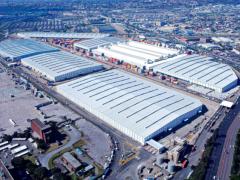
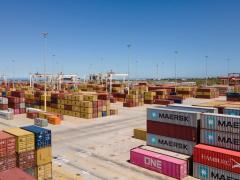
Logistics through the port of Durban is being reshaped through a number of major projects and concession processes. They include the concessioning of Pier 2 to Malaysian operator International Container Terminal Services, Inc. (ICTSI), along with multiple Maydon Wharf multi- purpose and fresh-produce terminal concession processes; channel deepening and back-of- port developments such as road upgrades; and rail and hinterland integration. Over time, it is expected that these projects will increase the throughput of the port. This, in turn, will impact on vessel calling patterns and landside flows for road and rail and depots. Following the takeover of Pier 2 operations by ICTSI on 1 January 2026, Transnet National Ports Authority (TNPA) announced on 30 March that there would be “two landmark concession awards at the Maydon Wharf precinct, in the Port of Durban. “These transactions will unlock more than R1 billion in private sector investment for modernising port infrastructure, while strengthening Durban’s strategic position as a gateway for agricultural and perishable exports.” Khold is the preferred bidder to manage fresh produce and compatible break-bulk cargo, with a commitment to invest R250 million. The BAL SA & Africa Global Logistics Consortium is the preferred bidder to develop and operate a multi-purpose terminal for agricultural dry bulk and other compatible cargo, with R810 million committed in capital investment. The bidders are now in negotiations with TNPA to finalise terminal operator agreements, which will provide logistics operators with a clearer vision of the impact of the proposed upgrades and timelines. Back-of-port investment is being guided by the KwaZulu- Natal Logistics Hub Masterplan which, according to Transnet, “seeks to reposition the Port of Durban as an international container hub and the country’s premier automotive port by increasing its container and automotive capacity, with the Port of Richards Bay serving as the country’s leading industrial port as a premier dry bulk and liquefied natural gas (LNG) port”. It envisages raising Durban’s container capacity from about 2.9 million TEU to over 11m TEU through 33 projects, with an estimated current cost of more than R154 billion. Port-wise, R72 bn has been allocated to container developments; R24 bn to widening and deepening the entrance channel; and R22 bn for new developments at Island View. A new liquid bulk terminal is planned for the current naval base on Salisbury Island, with the navy moving to Pelican Islands in Richards Bay. This move is subject to funding being procured. The masterplan also envisages moving the current dry bulk mineral cargoes from Durban to Richards Bay. Ethekwini municipality lists a number of logistics-related projects which will support port development. These form part of its investment in a number of catalytic projects, in partnership with the private sector. Another major development is a proposed R4 bn multimodal dry port hub in Mooi River, KwaZulu-Natal, where cargo will be transferred between road and rail. James Martin, a manager at the Umgungundlovu District Municipality Economic Development Agency, says the environmental impact assessment and water licence applications are currently under way and “substantial funding” has been secured for the dry port investment in Mooi River. ER
Reshaping of logistics on Durban trade route
Comments | 0
© Now Media. This content is protected by copyright and may not be adapted or republished. If you would like to discuss cooperation opportunities, please contact: editor@freightnews.co.za.