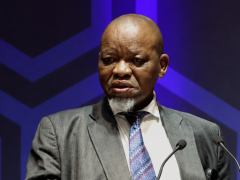
INTER-SADC trade is going nowhere without co-ordinated national rail lines and an end to bottlenecks both nationally and regionally, the Southern African Railways Association (Sara) stated as its relaunch mandate recently.“Infrastructure and equipment are two challenges that create bottlenecks in the movement of both local and regional traffic, thereby negatively impacting on trade,” said Gideon Mahlalela, Sara president. Mahlalela, who heads up Swaziland Railway, knows something about bottlenecks. A lack of wagons leased from Transnet Freight Rail (formerly Spoornet) has caused delays this year of up to 53 days in freight delivery from Durban to the landlocked country. Mahlalela said infrastructure and equipment problems were regional, and had to be addressed not only by national railways but also through Sara. Sara’s “relaunch” in Botswana last week was a symbolic occasion to highlight rail transport solutions. Railways are capital-intensive investments, and Sara called on government and private sector players to support and ultimately profit from rail transport service. “This relaunch is a clear demonstration of our desire to recommit ourselves to the objectives and ideals of Sara,” said Mahlalela, who pointed out that the SADC governments’ approval of an April 2006 Brazzaville Declaration showed a similar commitment to rail transport. “The Brazzaville Declaration of 2006 is testimony to government’s commitment to the development of railway infrastructure on the African continent,” Mahlalela said. Sara intends to exploit that commitment to press for legislation that while not necessarily pro-rail at least “levels the playing field” by requiring road freight users to partly fund road infrastructure that is currently financed through public coffers. “It’s always been unfair that rail has to pay for its infrastructure but trucks ride for free,” Mahlalela told FTW.
Regional rail body targets bottlenecks
Comments | 0
© Now Media. This content is protected by copyright and may not be adapted or republished. If you would like to discuss cooperation opportunities, please contact: editor@freightnews.co.za.