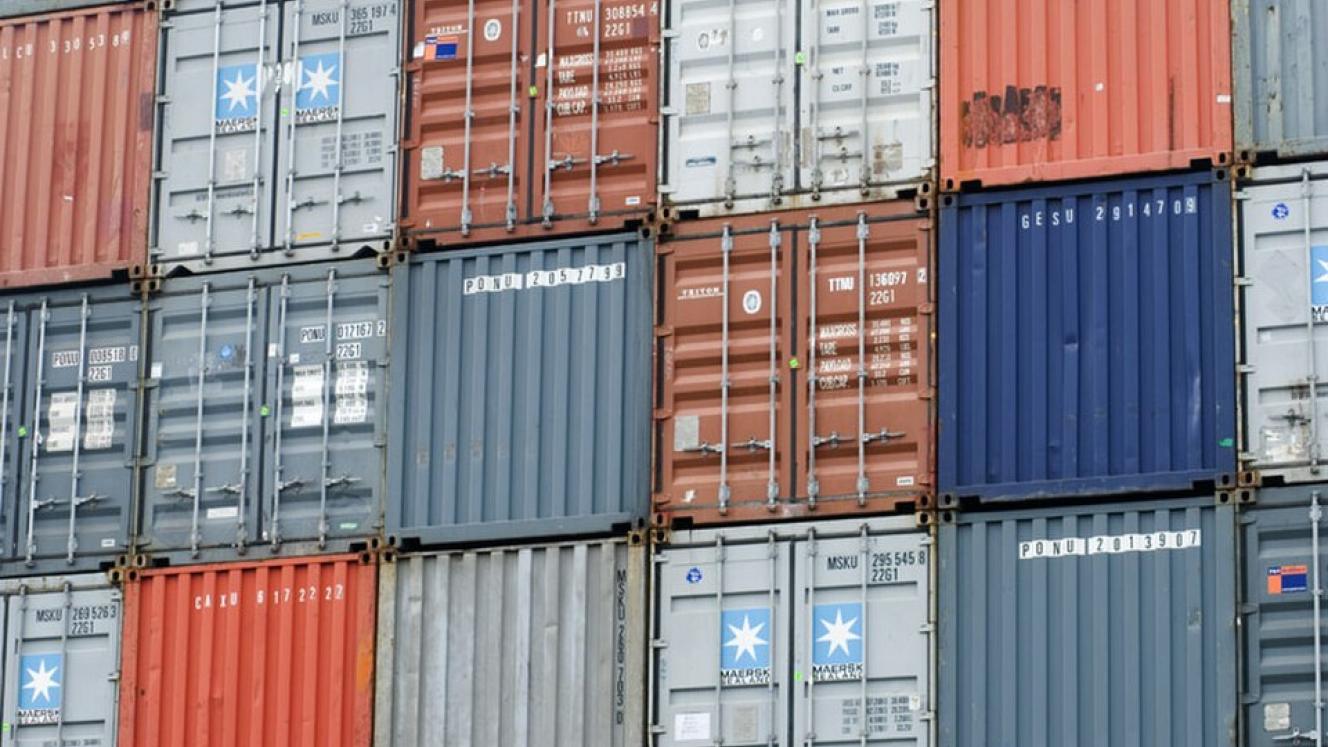
South Africa’s energy transition and infrastructure investment pipeline received a significant boost when Finance Minister Enoch Godongwana recently outlined a series of reforms aimed at stabilising the power system, accelerating private investment, and unlocking long-delayed projects across the oil, gas and renewable energy value chain. Presenting the Medium- Term Budget Policy Statement (MTBPS) in Parliament, Godongwana said South Africa had “begun a march towards reliable supply of energy”, with structural reforms now delivering visible improvements, while load-shedding had “come down significantly”. According to Godongwana, more than 2 220MW of solar, wind and battery projects are currently in development, with 720MW at advanced stages, alongside an additional 800MW recently added through Kusile Unit 6. A major shift for the sector is the opening of South Africa’s electricity transmission network to private investment. Government will inject R2 billion into capitalising a new Credit Guarantee Vehicle to support transmission expansion – a move Godongwana described as “a key and innovative part of our infrastructure reforms”. “This heralds a new era in PPPs, where private investment in high-voltage transmission lines is enabled,” he said. “We are securing power to the grid from a range of sources.” For oil, gas and renewable energy suppliers, the transmission reforms are expected to unlock stalled generation and midstream projects by easing grid constraints, derisking financing and accelerating private-sector participation in the build-out of strategic national infrastructure. Broader reforms to the public-private partnership framework are also under way. Godongwana confirmed that updated PPP regulations had taken effect in June and new guidelines for unsolicited bids had already been implemented. An infrastructure bond targeting at least R15bn in private capital will also be launched to fund priority projects. “We are shifting the composition of spending from consumption to investment,” he said, describing capital allocations as the fastest- growing expenditure item over the medium term. The freight and logistics system – essential for the movement of refined fuels, LNG, project cargo and renewable energy components – is also showing signs of recovery. Godongwana said port efficiency was improving, vessel waiting times had fallen by 75%, and private operators were now active across 41 rail routes. These reforms, he said, would “increase the volume of rail freight, reduce port congestion and improve the country’s economic performance”. LV
Reforms signal new momentum for SA’s energy sector
Comments | 0
© Now Media. This content is protected by copyright and may not be adapted or republished. If you would like to discuss cooperation opportunities, please contact: editor@freightnews.co.za.