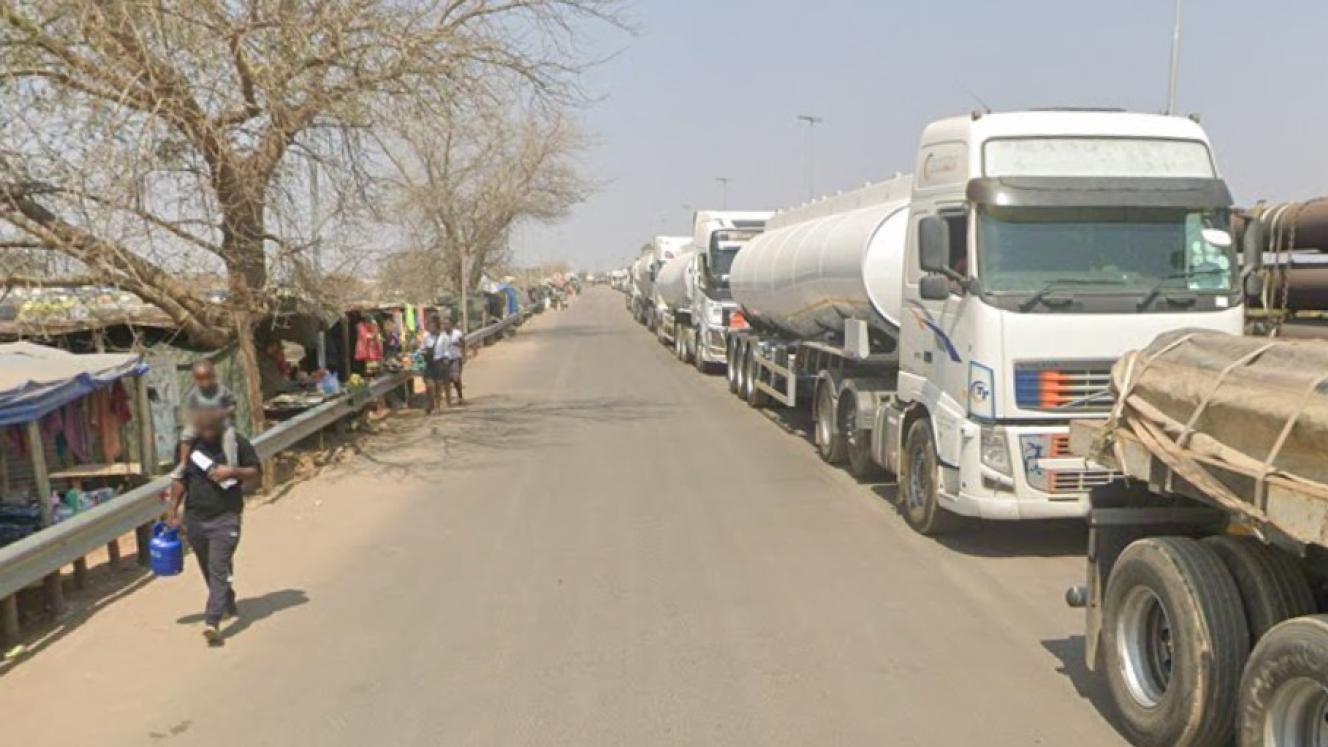
Silic Logistics has invested heavily in its go-green initiative, believing that it is their responsibility – as one of the new breed of logistics companies – to push the balance of cost-effectiveness and carbon savings closer. “Average, conservative estimates,” says marketing director Angus Dustan, “represent figures of 125-grams of carbon emissions per kilometre on road. “If one just multiplies this figure over the distance between Cato Ridge and Durban and back (126-kms) by the number of TEUs travelling on the N3 Corridor, one sees figures of around 31-tons of noxious and harmful gases being emitted on a daily basis.” Silic’s target is to minimise its relative proportion of this figure by up to 75% by following its intermodal logistics model. “This excludes traffic on the N3 and input roads to DCT,” said Dustan, “because using them simply increases accidents on the roads, infrastructural costs and more. “It’s a no-brainer for us, and we’re proud of our balance.”
Pushing the green initiative
Comments | 0
© Now Media. This content is protected by copyright and may not be adapted or republished. If you would like to discuss cooperation opportunities, please contact: editor@freightnews.co.za.