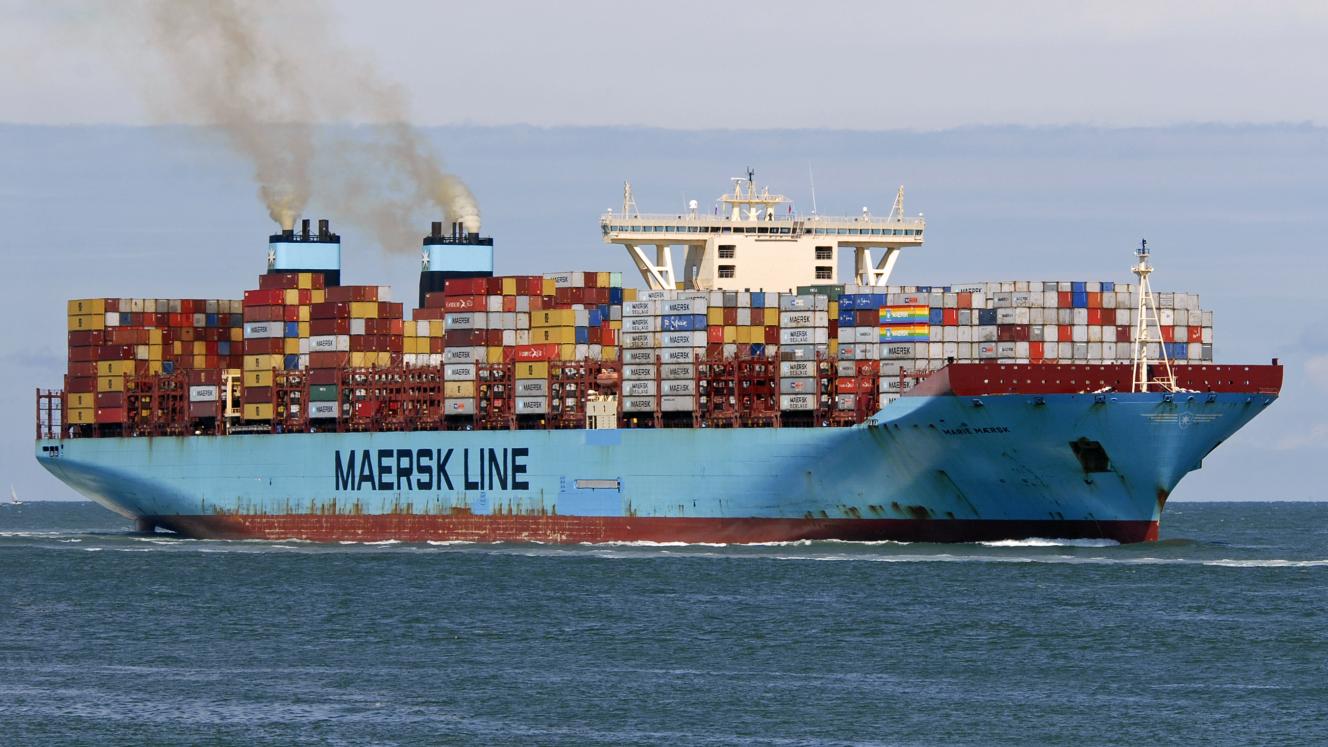
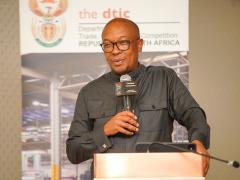
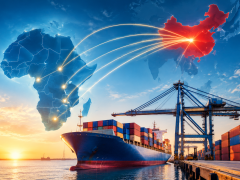
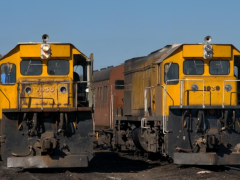
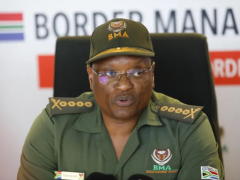
Private sector logistics companies are ready and willing to help Transnet speed up the government drive to put more freight on rail, and for the industry to “green its footprint”, says Shane Gerber, managing director of BLG Logistics in South Africa. Logistics companies are eager to switch to rail where possible in order to reduce costs and “green” the value chain. But, he says, clients expect their freight to arrive on time – and that means that the trains have to be consistently on schedule. Currently this is not the case in South Africa. “Countries like Germany found that the answer was to have a publicly owned, but privately managed rail system. There are private companies willing to invest in rolling stock, and to ‘rent the rails’,” he says. Two of South Africa’s Brics partners have started pursuing the German model – or one based on the public private partnership approach. China’s rail system was designed and built around the movement of people, and BLG Logistics is assisting the Chinese authorities to introduce more freight. “They understand the need to green the logistics chain, and that rail is the way to go,” says Gerber. Partnerships between Chinese Rail authorities and the private sector have seen the development of one of the longest freight routes in the world. The 11 179-kilometre link starts in Chongqing, which is situated on the Yangtze River in western China, and traverses Kazakhstan, Russia, Belarus and Poland before terminating in Duisburg, Germany. Brazil is actively courting private investment into its logistical infrastructure through public private partnerships and direct foreign investment. BLG is among the logistics companies that are very active in the Brazilian market. The expertise which is helping to green and reduce costs in logistics chains in countries such as Brazil, China and Germany is available to South Africa through the global networks of logistics companies based locally, says Gerber. “All we need is a willingness from Transnet and government to work more closely with the private sector. We have the resources and expertise to help South Africa and its neighbours to create an efficient rail infrastructure at minimal cost to the taxpayer,” he says. CAPTION All we need is a willingness from Transnet and government to work more closely with the private sector.
Private sector involvement could fast track switch to rail
Comments | 0
© Now Media. This content is protected by copyright and may not be adapted or republished. If you would like to discuss cooperation opportunities, please contact: editor@freightnews.co.za.