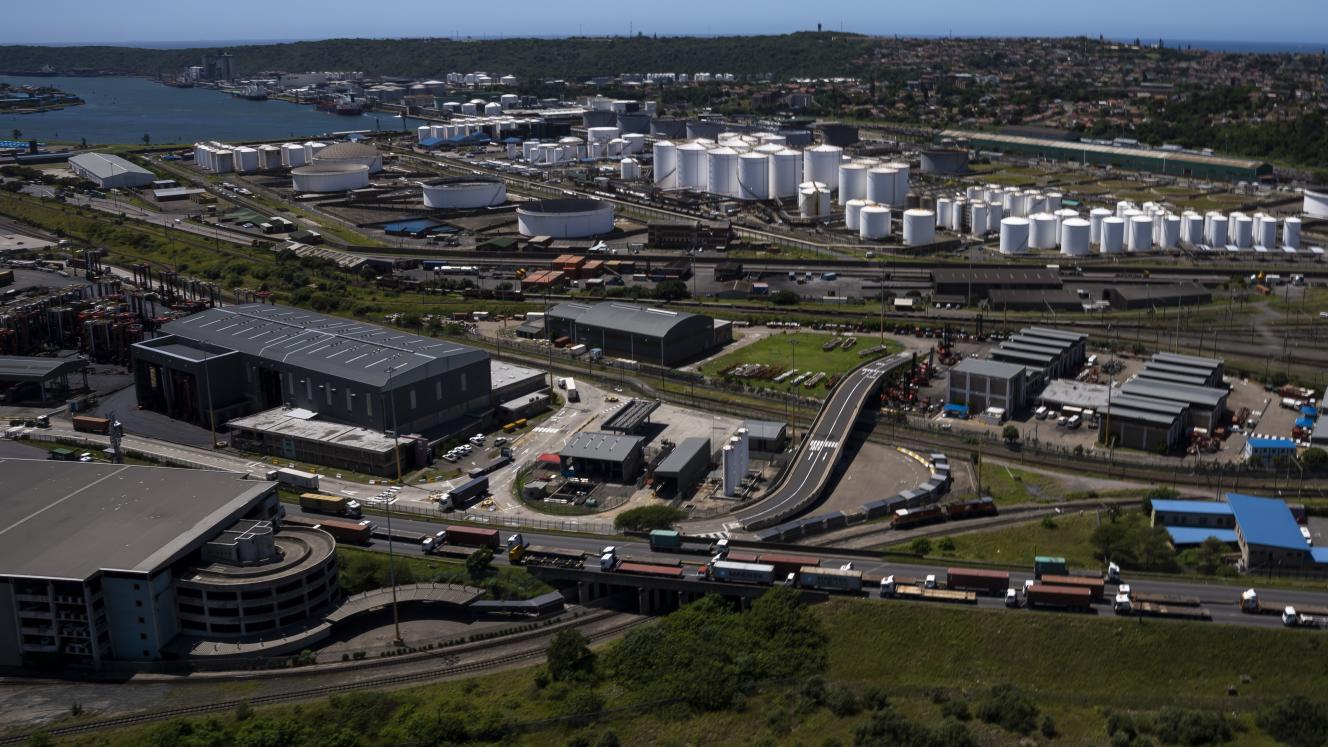
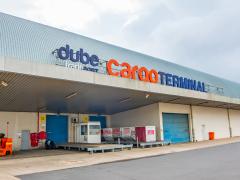
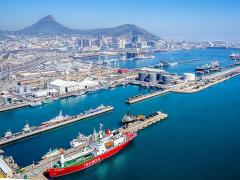
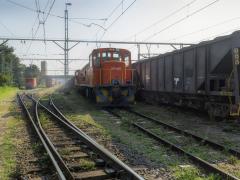
Ports around Africa are being upgraded to meet demand from mining operations – with a positive knock-on effect for other importers and exporters. Mozambican ports and supporting railway infrastructure are being modernised to cater for millions of tons of coal which will be mined in the Tete province. New or upgraded coal terminals are planned for Maputo, Beira and Nacala. The rebuilding of the Nacala port and supporting road and rail infrastructure reaching into Malawi will open up that land-locked country for mining operations as well. Further up the East Coast, the Kenya Ports Authority is constructing a new berth in the port of Mombasa, while Rift Valley Railways is investing in track upgrades, rolling stock and locomotives. The port is used for the export of soda ash. Neighbouring Tanzania is planning to build three more ports to meet demand for increased capacity from the country and its neighbouring states. Currently, Dar Es Salaam is the main import-export port for Zambia and Congo’s Katanga province. On the West Coast, Namibia continues to invest in the port of Walvis Bay to support both the local mining industry and that of the Copperbelt. The Angolan ports of Luanda, Namibe, Lobito and Cabinda are all being upgraded – in part to speed up the export of mining commodities. Luanda and Namibe are used for the export of iron ore. A joint venture led by Bolloré Africa Logistics has started work on upgrading the Congo Terminal, the new name of the container terminal in the port of Pointe- Noire (Congo Brazzaville). The goal is to make Pointe-Noire the benchmark deep-water port for Central Africa, both as a major transhipment terminal and also as the main port for hinterland transits (import and export) in the Congo basin, opening to the principal corridors of the sub-region, in particular serving the (mineral-rich) Democratic Republic of Congo, the Central African Republic and the north of Angola, says the company. The private sector is also involved in Nigeria, where the Nigerian Ports Authority is being “partially” privatised through the granting of concessions to port. A new port is under construction at Onne, some 25 kilometres south of Port Harcourt. Oil dominates exports from the region. In West Africa, the modernisation of Guinea’s largest harbour, Port Autonome de Conakry (PAC), has begun. Traffic has been rising steadily to meet the demands of mining projects, and the port is now congested. African Minerals is financing the upgrading of the port of Pepei in Sierra Leone, as well as the railway line to Lunsar to serve its own mine at Marampa and an iron ore mine operated by China Railway Materials Commercial Corporation in the same region. APM Terminals, the port operating unit of AP Moller Maersk, has been named the preferred bidder for the concession to operate the Liberian port of Monrovia. Liberia has large deposits of iron ore. APM has pledged to invest US$120-m in the port over a 25-year concession period.
Port operators dig deep to cater for mining industry growth
Comments | 0
© Now Media. This content is protected by copyright and may not be adapted or republished. If you would like to discuss cooperation opportunities, please contact: editor@freightnews.co.za.