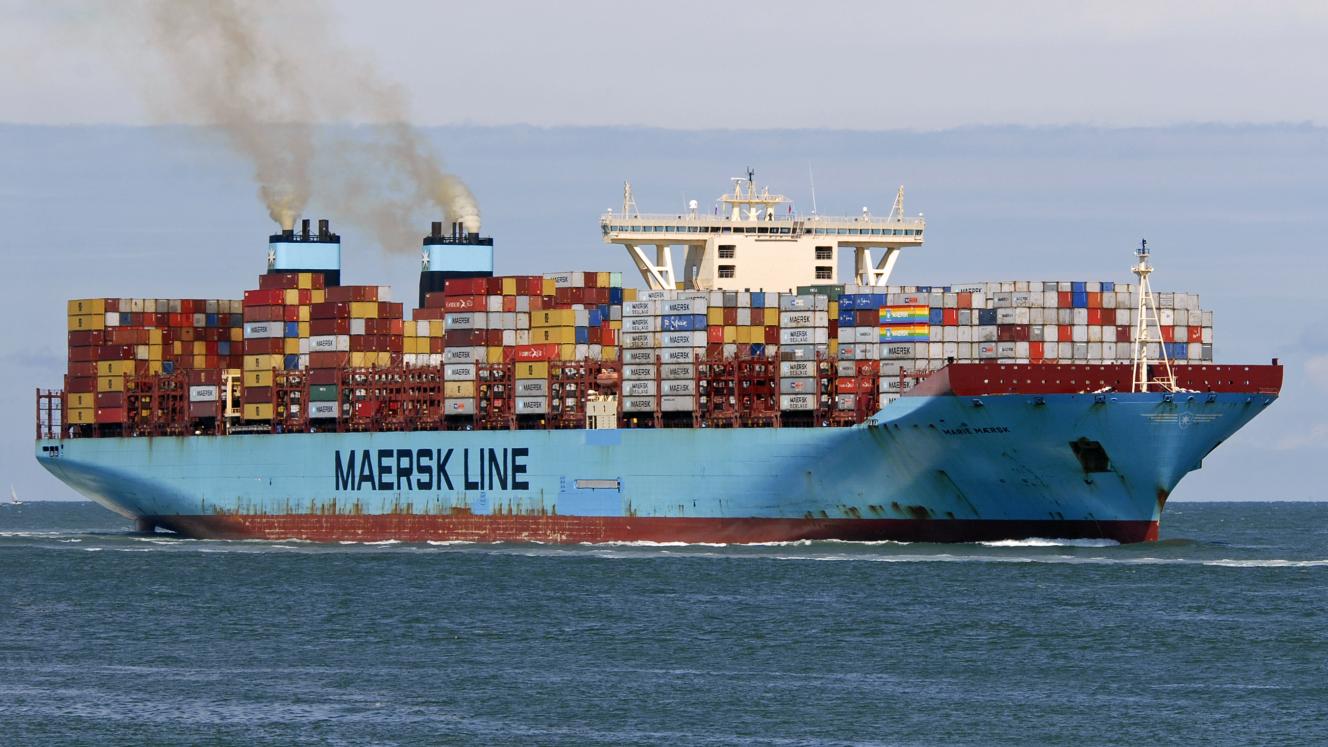
The need for shipping lines to take preventative measures against pirate attacks is now costing shippers extra on their freight charges. And several shipping lines are taking action. As part of its move to protect against pirate attacks in the north-western Indian Ocean, MSC has imposed a piracy surcharge on cargoes bound from the Indian sub-continent to East and South Africa. While the early official notification from MSC head office indicated the surcharge being levied on the southbound sailings, Glen Delve, Durban-based marketing manager for the line, is certain that it will also apply to outbound cargoes from SA. The US$95/TEU surcharge, he told FTW, is to help cover the cost of diverting the ships to a course further out to sea, primarily in the piracy-prone area off the coast of Somalia and the eastern entrance to the Gulf. “We are now steaming outside the recognised piracy hot spots,” Delve said. “And the diversion of these vessels obviously costs us more in bunker fuel costs and additional fast-steaming time to maintain our scheduled sailings.” The surcharge, he added, will help to compensate for this deviation cost. Similar information has been released to FTW from the AP Møller Group – which includes the two shipping lines Maersk and Safmarine. “We have been constantly monitoring the situation in the Gulf of Aden and the area off the Somali coast,” said Maersk SA MD, David Williams. “Preventing piracy attacks is at the forefront of our considerations, to ensure the safety and security of our crew, vessels and our customers’ cargo.” And, with the increased piracy activity in the area, his line has been forced to further increase the safety measures taken by the vessels sailing in this region. According to Williams these measures included: • Several smaller vessels having been replaced by larger and faster vessels to reduce the risk of successful boardings and hijackings; • Sailing distance having been increased again and vessels now sailing even further away from the Somalia coast line; • Additional security precautions having been taken, although the group will provide no specific details on these measures. To cover all these extra costs, the shipping group decided to implement an increase in its emergency risk surcharge (ERS). “This increase applies to all cargo to/from countries in East Africa and the Indian Ocean Islands. “However, the cargo from the Far East to Mauritius and Madagascar is exempted due to different deployment routing.” And, according to Kerry Rodrigues, business performance analyst for Maersk SA, from January 1 this has directly affected SA shippers. This is on the SA-Middle East-Indian sub-continent route where the EMS is US$25/TEU and US$50/ FEU. On the Middle East- Indian sub-continent-SA leg it will be US$75/TEU and US$150/FEU – but only for cargoes passing the Gulf. Different deployment routing is also the reason for the likes of Mitsui OSK Line (MOL) not having any sort of piracy surcharge. According to MD Chris Suchard, the line’s Far East service is routed via Singapore, and therefore its course across the Indian Ocean is well south of the pirate stricken area of northeast Africa. Much the same story at Pacific International Line (PIL), according to SA MD Ivan Naik. The furthest north on the East African coast that the line’s ships sail is to Dar es Salaam in Tanzania and Mombasa in Kenya, which Naik suggested was an area only infrequently pestered with pirates. “We service the Gulf via Singapore and Jebel Ali in the United Arab Emirates (UAE),” he said – with the ships’ courses on this routing also relatively clear of the pirate-stricken region in the Gulf entrance. “The line’s principals haven’t indicated anything about a piracy surcharge yet,” Naik added.
Piracy scourge hits shippers’ pockets
Comments | 0
© Now Media. This content is protected by copyright and may not be adapted or republished. If you would like to discuss cooperation opportunities, please contact: editor@freightnews.co.za.