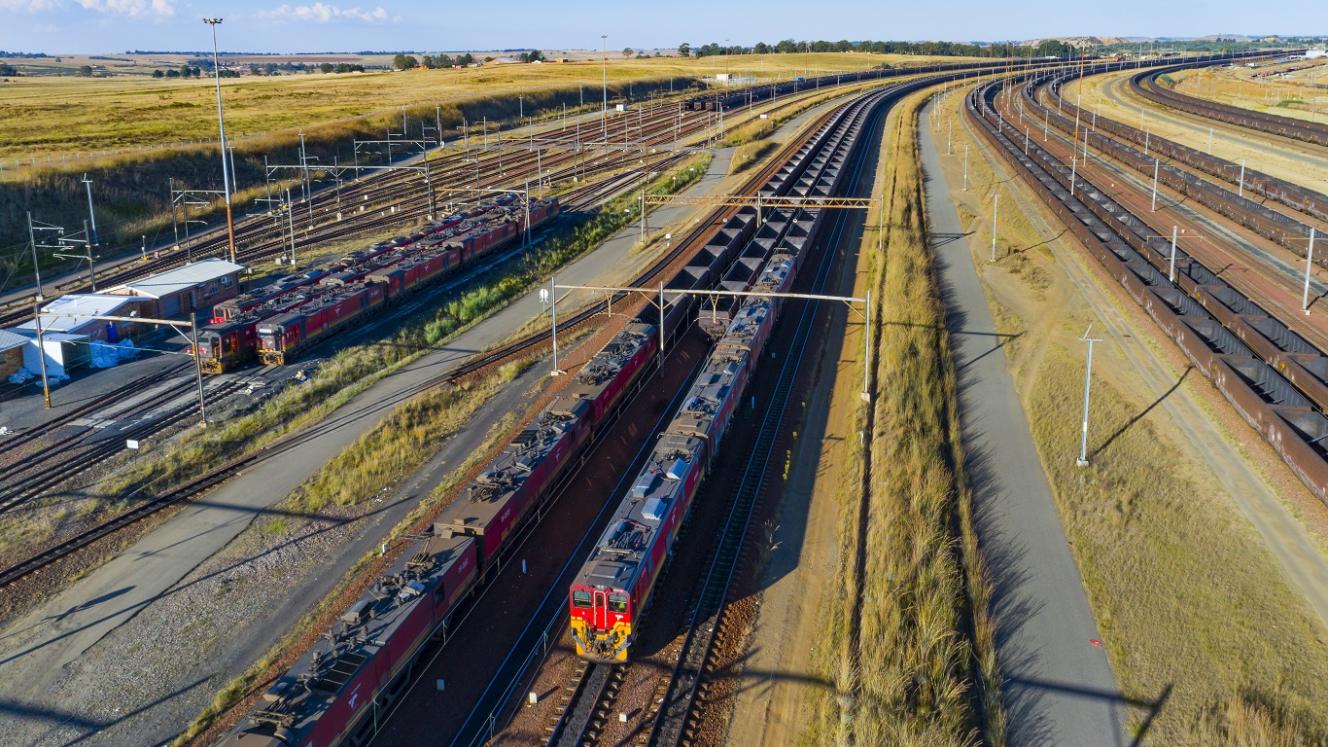
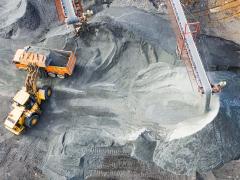
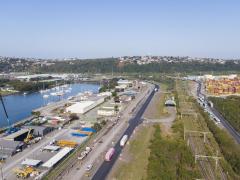
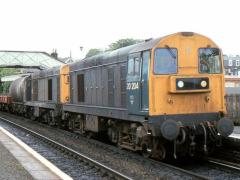
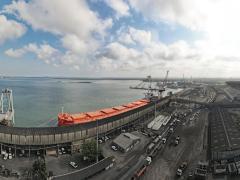
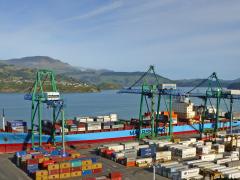
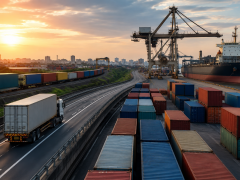
PARTNERSHIPS between private enterprise and the parastatal Mozambique Ports and Railways (CFM) are fast-tracking the revitalisation of Mozambique’s logistics infrastructure. According to director in the CFM Office for Communication and Image, António Libombo, it was decided to enter into strategic partnerships because “we as a country do not have enough capacity to invest in the infrastructure”. The agreements are for 15 to 25 year concessions on rail, road and port operations. It has taken a while for business and government to learn how to work together, but now the talk is of millions of dollars of investment that is opening up the length and breadth of the country. Both the Mozambican economy and that of its neighbours is benefiting, as can be seen by growing volumes of traffic through all of Mozambique’s ports. According to Libombo, the first concession was Maputo’s sugar terminal in 1993, followed by the Matola coal terminal and the fruit terminal in 1994, with the container terminal being privatised in 1995. In 2003, the last of the ports and railways under CFM’s control was concessioned. CFM retains a share in most of the new companies which were formed to run the various concessions. Partners include companies from Sweden, India, Denmark, South Africa, Zimbabwe, Britain, the Netherlands, Portugal and the United States. One of the most exciting new developments is the reopening of the rail link between Beira and Zambia, which has been closed for more than 23 years as a result of the civil war. The World Bank is assisting with the funding of the rebuilding of the line. It will open up Mozambique’s Zambezi Valley for development. “This is one of the richest areas in Mozambique, with coal mines, agriculture and other resources,” he says. Coal exports through Beira are expected to start at four million tons a year, with potential for 14 million tons a year. Nacala is also mooted by some as a port to serve the coal mines due to its proximity and natural draught of 30 metres. Beira, with a draught at the entrance channel of just 2.5 metres, has to be dredged. The dredger, which is expected to arrive next year, will be shared with Maputo which will also be deepened to cater for post-Panamax vessels. Another plan is to build a quay kilometres into the Indian ocean. Nacala is, however, the harbour that will serve the “corridor de noord”, which will serve Malawi, northern Zambia and the Democratic Republic of Congo. In addition to rehabilitating the rail links, CFM and its partners are investing in rolling stock. Some 45 locomotives are being refurbished, while 10 new units are on lease for three years from the Indian-led consortium which is working on the Beira-Zambia line. Wagons are also being refurbished or purchased.
Partnerships keep economic growth on the boil
Comments | 0
© Now Media. This content is protected by copyright and may not be adapted or republished. If you would like to discuss cooperation opportunities, please contact: editor@freightnews.co.za.