The issue of value addition once again took centre stage at the annual Investing in African Mining Indaba, with governments across the continent calling for greater local beneficiation and reduced exports of raw minerals.
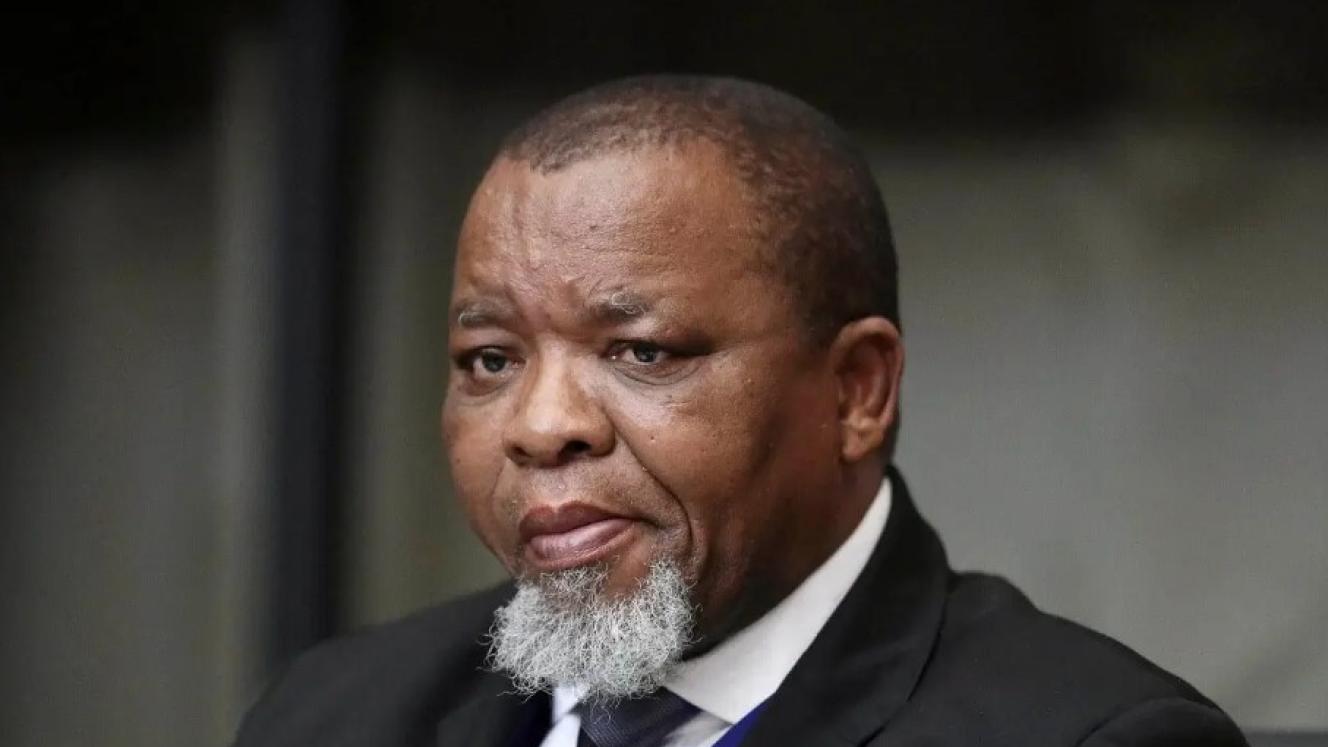
South Africa’s Minister of Mineral and Petroleum Resources, Gwede Mantashe, also raised the matter during his address, saying it was time for Africa to work together to reverse the paradox of a resource-rich continent remaining in a perpetual “winter”.
“This dynamic is very serious for resource-endowed countries. It is a contradiction. This is not a function of resources, it is a function of leadership.
“We have given away our leadership and our role. As a result, everybody else has our resources. It must change.”
However, beneficiation remains one of the more contentious issues, particularly in South Africa where energy constraints and high electricity costs continue to weigh heavily on the mining sector.
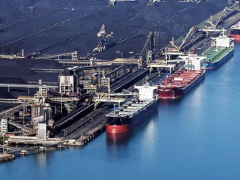
According to Bongani Motsa, chief economist of the Minerals Council South Africa, the country has achieved success in coal beneficiation, but minerals such as platinum and iron ore are still predominantly exported in raw form.
“Energy security has been a major constraint, both in terms of availability and cost,” he told Freight News.
“Regulatory uncertainty and limited access to capital have been further barriers to downstream industrialisation. We do not have sufficient domestic capital. We survive through capital inflows, and frequent regulatory changes discourage long-term investment.”
He said government needed to stabilise its balance sheet to properly finance industrial policy and address the electricity challenges.
“At the current electricity tariff levels, parts of the economy simply cannot survive and beneficiation of raw minerals is simply not affordable locally.”
According to Motsa, South Africa could draw lessons from countries such as Finland, which aligned its mineral strategy with its broader industrial development goals.
“Finland identified the products it needed for its own development and industrialisation, then aligned its mining strategy accordingly. It recognised that exporting raw ores does not maximise economic or technological benefits.”
He argued that South Africa needed greater focus on research, innovation and technological development to move up the value chain.
“Countries that achieve sustained economic growth typically invest between 3% and 5% of GDP in research and development. Between 1994 and 2007, when South Africa was experiencing stronger growth, we spent around 1.1% of GDP on research and innovation. But from 2009 to 2024, that has averaged just 0.8%,” he said.
“In 2024, we spent R56 billion in this area. Against a GDP of R7.4 trillion, that is simply not enough.”
Samaila Zubairu, president and CEO of the Africa Finance Corporation, said despite the numerous challenges facing countries in Africa, the continent had some $29.5 trillion in on-site mineral value.
This represents about 20% of the world's global mineral wealth. Yet, the economic value of these resources was captured elsewhere.
He said the only way for Africa to change this tide was to “stop exporting raw minerals and importing inflation”.