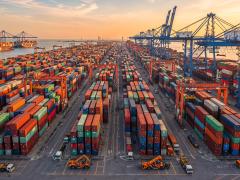
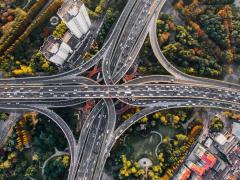
The success of cross border transport regionally to some extent depends on Swaziland’s infrastructure. Both for road and rail, the small landlocked country is disproportionately active in the movement of goods. Swaziland is a “bridge country” where SA goods moved by rail pass through in transit to Durban, and SA cargo moved by road to Maputo uses the country for passage. It is therefore always good news when Swazi officials announce they have found a donor foreign government or agency to fund a new highway or rail upgrade, or that movement can be detected in the glacial pace of extending border post operating hours so that customs services at the border (coordinated between SA, Swaziland and Mozambique) can function on a 24/7 basis. Swazi officials always frame talk of extending border hours in terms of tourism, but in fact road commerce would be the principal beneficiary – or rather the Swazi economy would receive the biggest boost from additional road transport activity. Presently, even the country’s busiest border post at Oshoek, which is favoured by most traffic going to and from Gauteng, operates at the extremely limited hours of 07:00. to 22:00. Swaziland’s embrace of SADC protocol-mandated electronic clearance of goods has been fitful. More training for customs personnel is essential, road freight sources say. Swazi customs officials seem reluctant to change their old ways of doing things, resulting in a continuation of now quite unnecessary waits for goods clearance coming from SA. Or does the fault lie with another “old way of doing things” that customs agents are loath to discard? Some road freight operators suspect Swazi customs agents are dragging their feet on implementing electronic customs clearance because there are few opportunities for malfeasance once it is operating. 2009 will likely see the matter resolved, one way or another.
Operator reluctance
Comments | 0
© Now Media. This content is protected by copyright and may not be adapted or republished. If you would like to discuss cooperation opportunities, please contact: editor@freightnews.co.za.