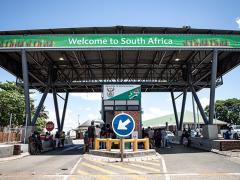
The conduct of Customs officers tasked with stopping and examining containers has raised industry alarm bells. It’s when Customs officers do their shopping, an aggrieved forwarding agent told FTW, or as one lawyer termed it, stock up for their garage sales. “It’s totally unacceptable and if it happens the offended party has both legal recourse through the court and internal recourse through the SA Revenue Service (Sars), according to one of our legal beagles. But cost is most often a drawback in the first case,” according to our FTW complainant, and retribution by Sars officials is the second risk, he says. Our aggrieved forwarding agent told FTW: “A container of groceries is lunch. They’ll take out a packet of chips, a packet of biscuits etc and won’t return them.” He added that the same happened with a container of designer clothing. “They took shirts, underpants etc and, again, didn’t return them.” To challenge them, he continued, you need to open a case and take them to court. “But this is too costly and could result in all your goods being flagged.” His final question was: “Aren’t they obliged to return ‘samples’ taken out of stopped containers – and, if they don’t, what redress does the complainant have?” Berning Robertson of the maritime, logistics and corporate lawyers, Van Velden Pike Inc, provided some insights. In terms of removing samples from containers, Customs officials have very wide powers in terms of Section 4 of the Customs and Excise Act to remove goods for the purpose of establishing whether or not they comply with the requirements of the Act. And while the Act does not expressly state that goods should be investigated and returned within a specific timeframe, it is implied that goods that do not contravene any law should be returned to the owner within a reasonable time after removal. If the goods are not returned, aggrieved parties can lodge an appeal with Sars against any decision taken by them in terms of Section 77a of the Act. And while nothing can prevent you from going directly to civil court, it is advisable to first go through the internal appeal process of Sars. “It will save both time and money,” he said. On the likelihood of victimisation or other vindictive action by Sars against a consignee who complains or takes action against them, he believes that people higher up in the ranks of Sars would come down hard on any of their officials that acted unlawfully. Carol Holness of the multinational law firm, Norton Rose, commented further on the doubt about guaranteed return of goods by Customs. “The Rules do not deal with how the samples must be dealt with after they have been taken or whether they must be returned to the importer or exporter,” she told FTW. “There are no further directives on the Sars website – and, when we asked some of the branch offices, they could not refer us to any directives or procedures dealing with samples taken under this provision. They also did not seem to be aware of the procedure set out in the Rules for the taking of samples under this section of the Act.” But, while this provision of the Act is intended to allow customs officials to take samples of goods to determine if goods have been correctly declared or described, Holness is adamant about one thing. “It is not meant to offer customs officials an excuse for a free lunch at an importer’s or exporter’s expense,” she said. If such a ‘lunch box’ situation arises, there are a number of steps you can take. “Importers or exporters who suspect that a customs official is ‘taking samples’ for their own purposes, should request a receipt and ask the official why the samples are being taken,” said Holness. “They should also take note of the particular customs officer’s details. “Complaints can be directed to the particular branch office, or there is a toll-free fraud and anti-corruption hotline where complaints can be lodged, anonymously if necessary. There is also an independent service monitoring office within Sars. Charges of theft or corruption can also be laid with the SA Police Service.” CAPTION Samples can be taken for examination ... but not to provide a ‘free lunch’ at the shipper’s expense.
No free lunches!
Comments | 0
© Now Media. This content is protected by copyright and may not be adapted or republished. If you would like to discuss cooperation opportunities, please contact: editor@freightnews.co.za.