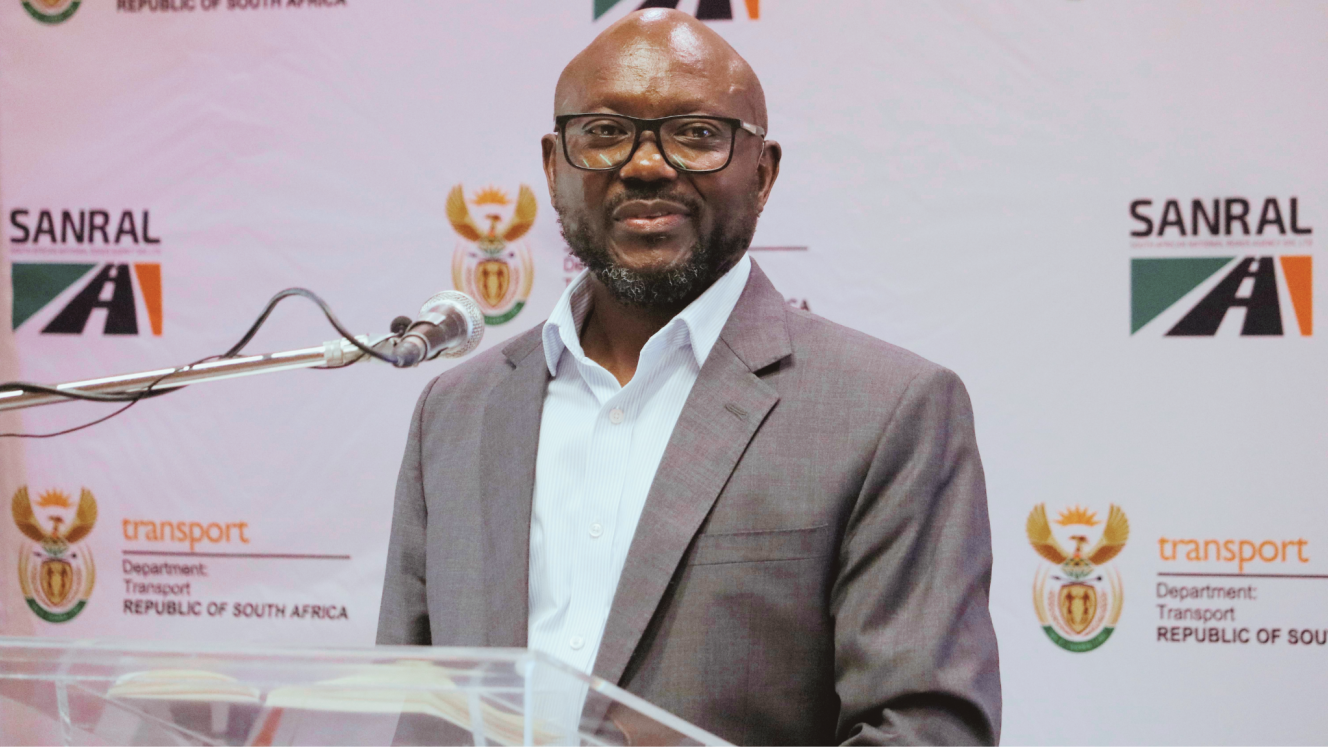
MSC has warned that the Angolan general tax administration (GAT) – which includes customs – has adopted a new ruling. This allows the importers to obtain release of their containers/cargoes without the need for the presentation of original bills of lading (B/L) when these are delayed or blocked. This new regulation was allegedly adopted as a solution to the considerable shortage of hard currency the country has already faced for more than six months. And Angola certainly has serious problems. It was, for example, the African country most affected by the oil price drop, according to London-based sovereign debt rating agency, Moody’s. This, it added, was a factor that worsened the public accounts of the country and made debt-sustainability more problematic. Moody’s added that, although African countries were better prepared for the crisis than they were at the end of the last decade, “Angola was the country that saw its budgetary situation worsen most” in recent months. And this debt is getting close to 40% of that country’s gross domestic product (GDP). In another attempted escape deal, Angola and China are negotiating “a new financial package to tackle the difficulties” created by the fall in global oil prices, the Angolan ambassador in Beijing told news agency Angop. What was not mentioned was the amount for the new financial package. Nor did the ambassador specify if it would be implemented as a loan or by opening lines of credit, as has happened in the last decade. In the case of the new GAT ruling, said Glenn Delve, marketing director of MSC in SA: “It generates important risks of nonpayment of your cargo price or letters of credit (LCs) not being honoured. MSC saw only one means of relief for shippers. “We are,” said Delve, “in a position to stop some of the presently sailing containers in transhipment – either at the port of Sines (Portugal) or at Durban.” And to expedite this procedure MSC has asked shippers to urgently let them know whether they are still willing to have their cargo on-carried to destination, or whether they want MSC to stop the containers at the abovementioned ports. This, however, would be done at the shipper’s sole cost. The result of this dicey ruling by Angola’s GAT, according to Delve, is that there is likely to be a lot of fraud around cargoes to Angola. “The risk of this is so high that shippers are likely to start asking for all payments to be made before they ship,” he told FTW. “And, although it’s not decided yet, we’ll probably also have to ask for freight to be paid in advance before we ship.” While he regretted the inconvenience caused by this situation, it was something which was beyond the line’s control. “We have to confirm that we will not entertain any claim nor accept any liability whatsoever for release at destination without a bill of lading at any Angolan port as a result of this new local mandatory requirement,” Delve added. INSERT & CAPTION Although it’s not decided yet, we’ll probably have to ask for freight to be paid in advance before we ship. – Glenn Delve
New Angola ruling raises concerns around payment
Comments | 0
© Now Media. This content is protected by copyright and may not be adapted or republished. If you would like to discuss cooperation opportunities, please contact: editor@freightnews.co.za.