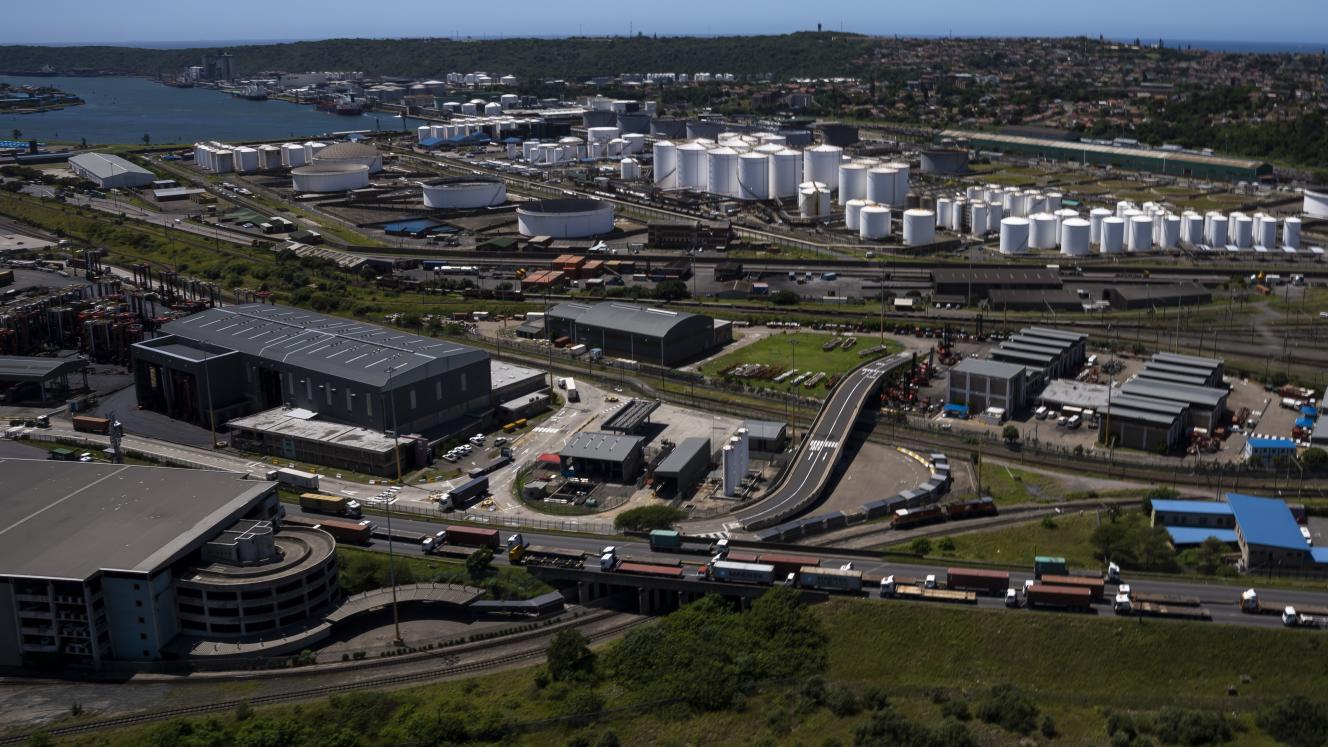
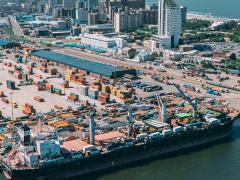
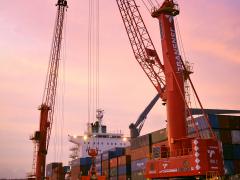
The introduction by several shipping lines of a Navis surcharge following the implementation by Transnet Port Terminals (TPT) of its new Navis SPARCS N4 terminal operation system at the Port of Durban this month has created a stir. Carriers that have the systems capability to accommodate the change without impacting their workforce have not introduced a surcharge. But for others the Navis fee has been raised because of the extra work it generates for the carrier. The surcharge merely compensates for the additional workload involved in updating the system and capturing the necessary data, said PIL South Africa MD Ivan Naik – and the same applies to NileDutch, which has also introduced a levy. “Transparency is important to us, which is why we notified clients about the surcharge, set at R80,” Naik told FTW. Before the advent of Navis, the terminal would capture the details off the CTO (container terminal order). But Navis will do away with the CTO – the document required before containerised cargo can be picked up at the harbour container terminals – adding to the work volume of the shipping line. Mitsui OSK Lines is among those with systems capability to absorb the change, and director sales and marketing at MOL South Africa, Iain McIntosh, said the line would not be introducing a surcharge. “Transnet – as with many areas – has been transferring workload back into carriers. In our case this does not cause a problem as at time of booking our systems have been developed to allow for this and increasing automation and EDI. “The only charge we would make is for an amendment to a CTO after the event but this was a small charge we had in place before Navis cut over,” he said. And while the Navis Durban roll-out was a disaster well documented by the industry, delays have eased, according to McIntosh. “But the initial delays have created an enormous backlog – as these things have a habit of doing – and will take some time to work off. One of my vessel planners stated that where we were seeing a fiveday berthing delay, this has ‘improved’ to three days. They claim that the planning side is up to par but landside remains a concern.” An EDI interface between the Maersk Line booking system and TPT means no additional manual work is required for the company and therefore there was no need to pass any additional cost on to customers, Maersk Line SA MD David Williams told FTW. “We fully support the move to an efficient electronic business-to-business interface and are also working closely with Customs on their modernisation drive. Williams concedes that managing a change of this magnitude is challenging. “Only TPT can answer the question as to whether everything possible was done to ensure the most efficient and effective change. From my personal experience, having visited the port in mid-April, I was encouraged by the handson and direct on-the-ground involvement of the senior management I met.” Safmarine, which will also not be contemplating a surcharge, reports weekly improvements in port productivity, after the initial delays. “Teething problems are to be expected when introducing any new IT system,” South African national export executive Janine Nainkin told FTW, “and many of the initial challenges experienced with the implementation of Navis, were related to user adaptation, and have now been resolved.”
Navis surcharge creates a stir
Comments | 0
© Now Media. This content is protected by copyright and may not be adapted or republished. If you would like to discuss cooperation opportunities, please contact: editor@freightnews.co.za.