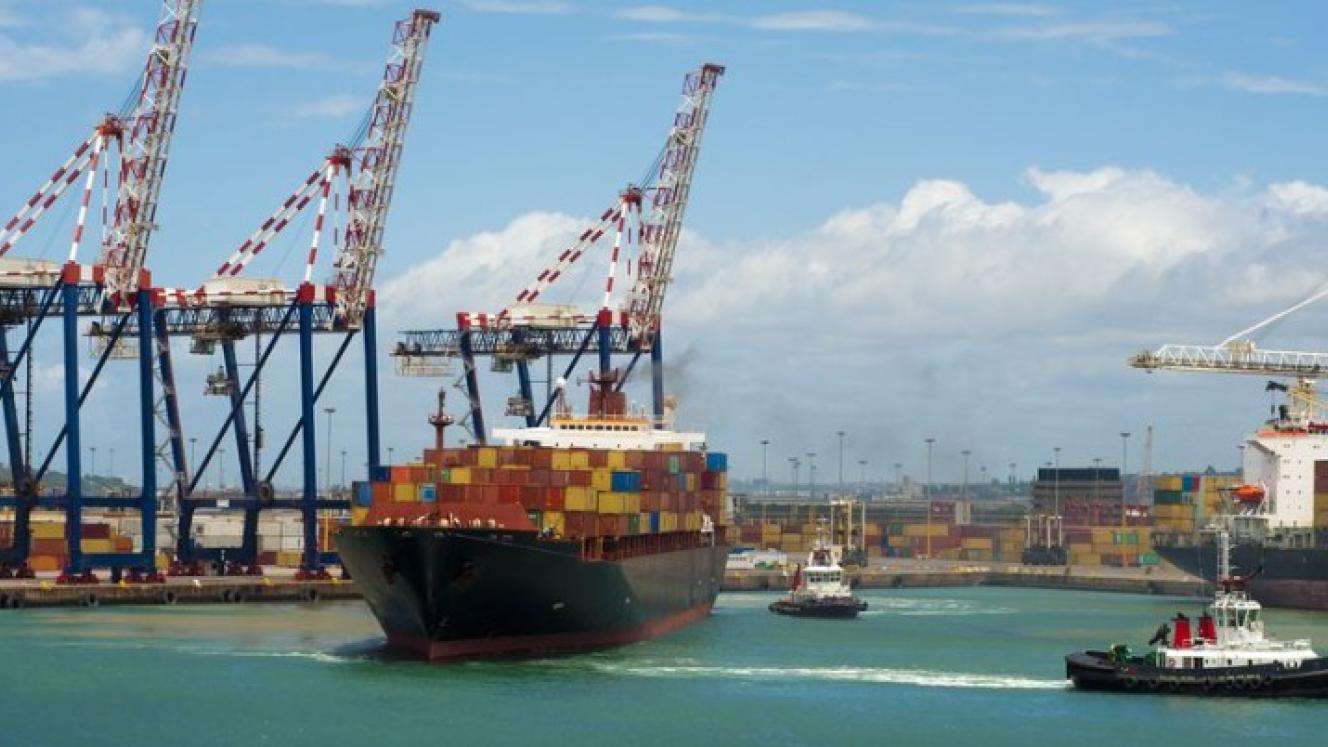
Mozambique is embarking on a bold inaugural ship-to-shore electricity exercise after it was announced that initial efforts looking into providing power through liquid natural gas (LNG) had been given the go-ahead for large-scale implementation.
The news about the LNG-to-power ship project was announced at the Tokyo International Conference on African Development, currently under way in Yokohama, where Japanese transport enterprise, Mitsui OSK Lines (MOL), and Turkish utility company Karedeniz, through its Dutch subsidiary Karpowership, agreed to jointly steer the project.
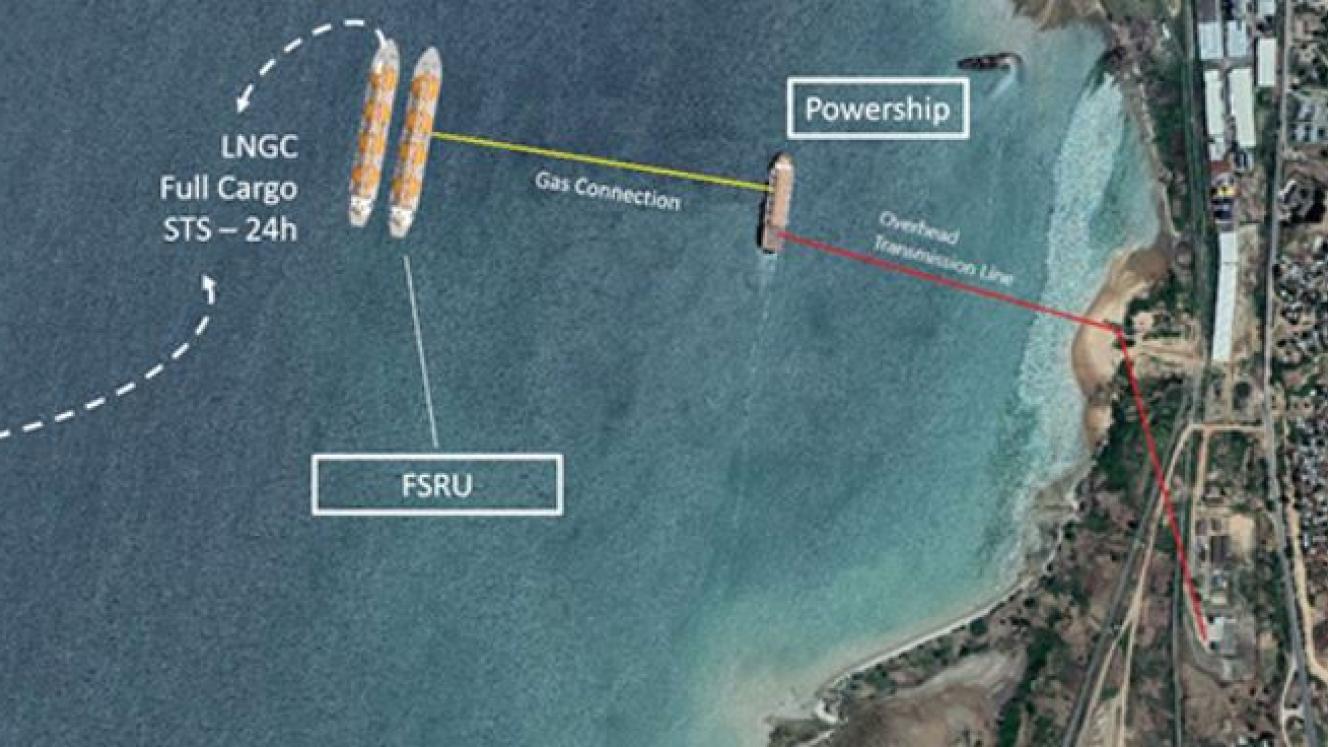
It will entail, among other things, co-owning a floating storage regasification unit (FSRU) as well as a power ship.
MOL said: “This LNG-to-power ship project consists of the collaborative operations of the FSRU to deliver re-gasified LNG (to liners) and the power ship to receive re-gasified LNG in order to produce electricity, which is subsequently provided to Electricidade de Moçambique (EDM)”.
The power ship earmarked for the project is still used as a heavy-fuel operation in the Port of Nacala but will be switched to LNG upon arrival of the FSRU.
Mozambique’s mineral resources and energy minister, Max Tonela, said: “This project contributes to our national strategy of increasing availability and reducing the costs of fuel to generate electricity for industrial development and energy access.”
Such opportunities unlocked through the country’s exploration of vast LNG deposits in the Rovuma Basin and further south towards Nacala, Tonela emphasised, were “critical fuel for Mozambique’s future”.