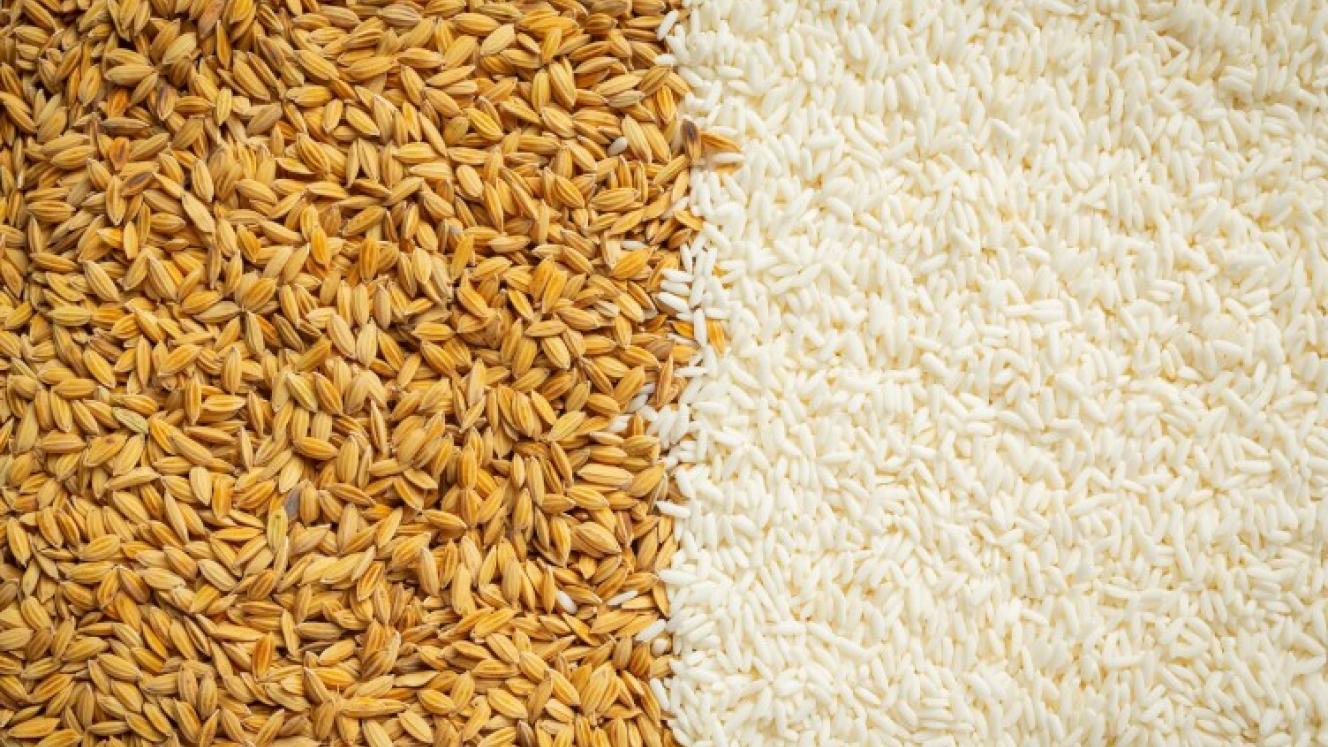
The Mozambican Government has assigned the Instituto de Cereais de Moçambique (ICM) exclusive responsibility for managing imports of rice and wheat, in a move aimed at tackling under-invoicing and tax evasion that is costing the state an estimated US$100 million annually.
Luís Jobe Fazenda, director of the ICM, told Lusa news agency that the mandate, following a government decision on December 31, addressed longstanding issues in the cereal import sector.
“The government grants this exclusivity primarily because the ICM is the entity managing the value chain and the initial marketing of cereals… The government noticed that in recent years there had been under-invoicing and tax evasion,” said Fazenda.
He said the state was losing about US$100 million a year.
The policy, outlined in Ministerial Decree No. 132/2025 from the Ministry of Economy, seeks to eliminate the “illegal export of foreign currency through over-invoicing” of these staple commodities.
It responds to foreign currency shortages that have hampered Mozambique's ability to pay for imports, with some operators exploiting the situation to expatriate capital illicitly.
“We know Mozambique is currently struggling with foreign currency issues to pay for imported goods and services. In this process, some companies took advantage to illegally expatriate capital and foreign currency out of the country,” Fazenda said.
The centralisation also stems from market disorganisation and incomplete data on importers and volumes.
To protect domestic rice production and consumption, the government has restricted imports and modelled the new system on the fuel sector's structure.
The ICM will act as the central coordinator: operators register, specify desired quantities and provide bank guarantees. The ICM then sources the goods – primarily from partner countries – secures the purchases, and ensures distribution at fair market prices.
“In the meeting with the importers, they understood what will happen. The ICM will now have information on various markets where these products are acquired, allowing for lower prices. Once the state secures guarantees from importers, it will place the order and purchase the merchandise, which must then be sold in the national market at a fair price,” he said.
“The mechanism will be transparent because there will be free competition. Any operator can register with the ICM and submit … the quantity they wish to import.”
The National Inspection of Economic Activities will monitor and penalise unjustified price increases.
The ICM is also advancing support for local production. A project presentation to the World Food Programme and the Food and Agriculture Organization is scheduled for January 27-28 in Italy.
“We are in the process of mobilising resources. Over US$100 million to finance production, open financing lines for production, but also (to) finance agricultural marketing and the rehabilitation and construction of warehouses,” said Fazenda.
The funding will also establish a strategic reserve exceeding 100 000 tonnes to aid the population during disasters or extreme events.
Source: Club of Mozambique