The proposed new carbon tax – which is expected to come into effect in January 2017 – has evoked mixed reactions around its potential impact on the South African economy.
According to California-based researcher Folsom, the new CO2 tax has the potential to stimulate economic growth, providing that the revenue collected is invested in green-energy projects.
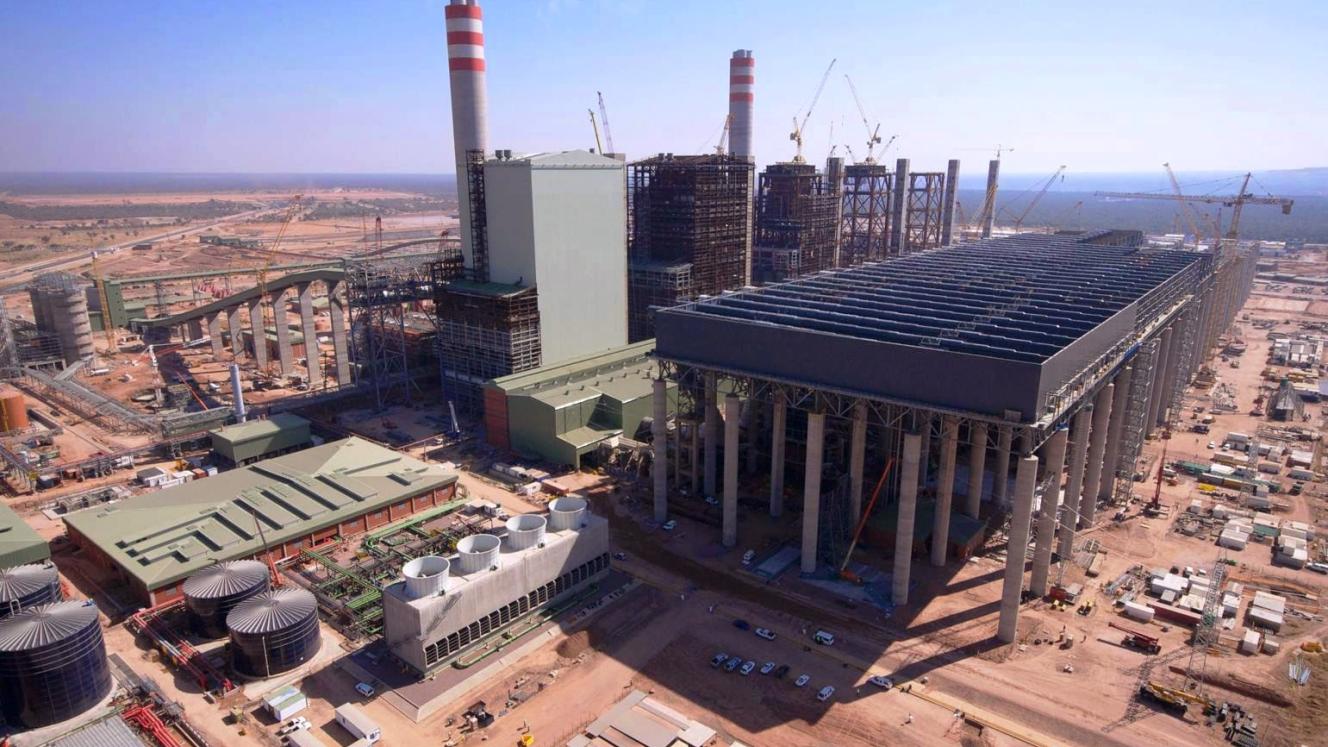
In contrast, the Johannesburg-based Chamber of Mines was cited by Bloomberg news agency as saying that the tax could harm investment in South Africa and that it could further add to industry’s rising costs and low commodity prices, especially as it would mostly penalise companies such as Eskom Holdings and Sasol.
Meanwhile, National Treasury has acknowledged that there could initially be a “marginally negative” impact but that this was expected to improve as government planned to use the additional revenue from the CO2 tax to reduce other taxes and provide incentives for green-energy projects.
Economist Mike Schussler told FTW Online in August that government should be looking at the economic, environmental and social impact of regulations and new taxes before they were introduced.