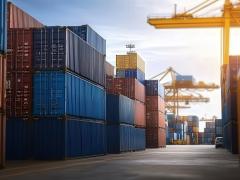
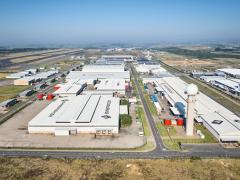
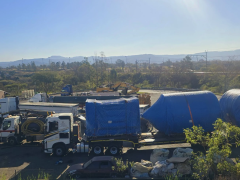
While business continues to grow, the signs are there that Namibia will not escape the global economic slow-down, says Norbert Liebich of Transworld Cargo. The company’s Walvis Bay branch has shown a 200% growth over the past year, but he believes that this rate of growth in the Namibian freight industry is not sustainable. Early signs are the temporary closure of mines and a dramatic falloff in fresh fish exports to Spain. There has also been a swing in cargo flows. “Zambia is still positive, but whereas the traffic was mostly northbound, it is now the opposite,” he says. Imports of machinery, spares and equipment for the Zambian mines have slowed, but copper exports continue to hold up – for as long as there is demand, adds Liebich. He cautions about being too pessimistic, however, as the downturn is part of a cycle that will correct itself. “Fish exports, for example, will pick up when the Spanish run out of their own fish stocks again,” he says. Namibia is also in the fortunate position of serving the growing Angolan market, which continues to hold up as the country rebuilds itself. Namibia’s focus on trade and logistics rather than manufacturing is also working in its favour. “Compared to my colleagues in South Africa, I am still happy,” says Liebich. South African freight volumes have been severely affected by the downturn in manufacturing due to the global melt-down. Companies like Transworld Cargo, which have not specialised in a particular commodity, route or transport mode are also better positioned to ride out the storm. “Our strength is that we handle all aspects of logistics,” he says. Looking ahead, Liebich warns against being too negative. “We know we have to tighten our belts, and are making provision for that eventuality,” he says. In the meantime, Transworld continues to upgrade its Windhoek offices and to grow its Namibian business.
Mine closures will affect cargo flows
Comments | 0
© Now Media. This content is protected by copyright and may not be adapted or republished. If you would like to discuss cooperation opportunities, please contact: editor@freightnews.co.za.