Privatisation programme 'on track', writes Alan Peat
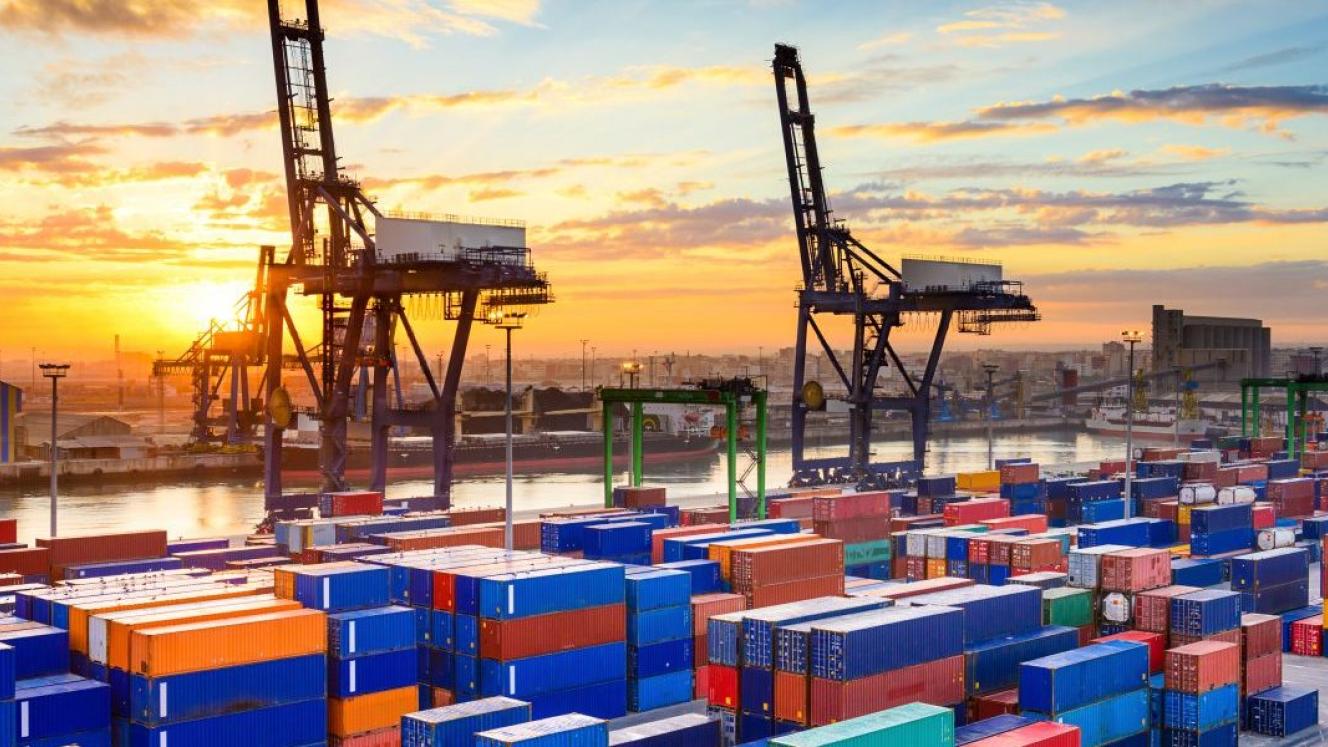
THE GREAT fanfare that heralded the proposed privatisation of the Port of Maputo in Mozambique has faded to a shrill treble in recent times as the initial burst of talk was
followed by a practical near-silence.
But the privatisation march is back in step, according to Athol Emerton, m.d. of Tall Ships in Durban, and its Maputo-based sister company, Caravel.
It quickly came to a boil, he said, but was reduced to a simmer for some time.
However, recent moves made by the Mozambican authorities seem to have things back on track - and Emerton feels that this now sees the privatisation programme in its finalisation stage.
With this becoming more-and-more apparent, he told FTW, the original interest among shippers and exporters in Mpumalanga and Gauteng has been regenerated - and businesses are now again becoming active in exploring the possibilities at the port.
His Maputo operation, Caravel - active in the Mozambique shipping industry for 11 years - has been a main player in promoting the port, and ensuring the safe passage of cargoes and vessels through the port.
And, although Emerton discards any notion of a cargo boom at Maputo, he does see a steady flow of cargo movement through the port. And one providing a base from which others can be developed.
Caravel reports that the main movements of the moment are coal exports through Matola; exports of citrus fruits; and the import programme for the Mozal aluminium smelter. The company has also been playing a part in the redevelopment of coastal trade within the region.
We are thrilled with the development of the concession of the port, said Emerton. We believe that the team at the Maputo Development Company; CFM (the now commercialised port and railway authorities); and the government of Mozambique are in the process of re-writing the book.
This in terms of lifting the preconceived ideas of state-controlled or managed ports.
All the participants have to be praised for their tenacity and desire to break with the norm.
The ultimate socio-economic result will be dynamic and beneficial to users, operators, service providers and the community.
Copyright Now Media (Pty) Ltd
No article may be reproduced without the written permission of the editor
To respond to this article send your email to joyo@nowmedia.co.za