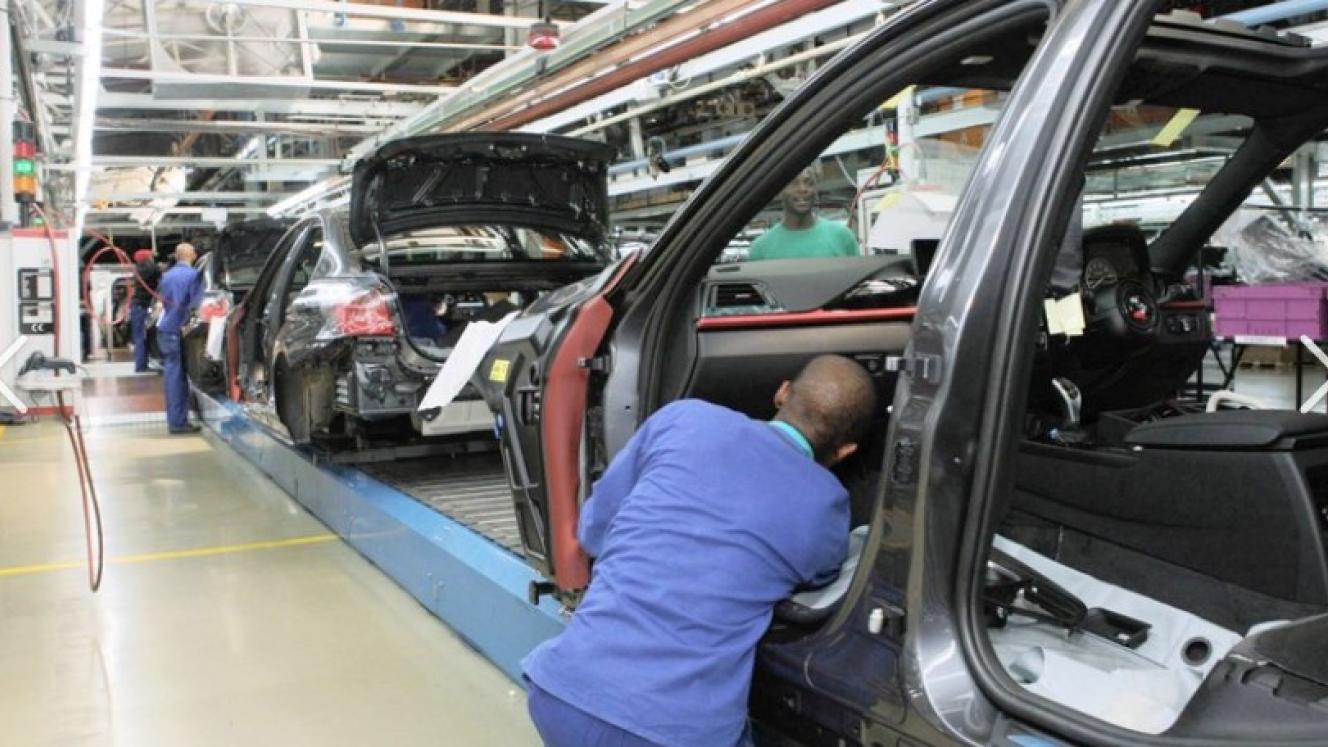
South Africa’s manufacturing sector improved slightly in March but it is still struggling overall according to the latest Absa Purchasing Managers’ Index (PMI) released by the Bureau for Economic Research.
The PMI – a monthly survey that shows how factories are performing – rose from 47.4 in February to 49 in March. Any number below 50 means the sector is still shrinking, so this small increase does not yet reflect a real recovery.
The headline number went up because factory output (business activity) improved marginally, from 45.7 to 46.1. However, factories were still producing less than the month before, but the drop slowed slightly. Supplier deliveries also slowed sharply pointing to logistics bottlenecks.
“Given the continued weakness in new sales orders, the rise in this index (which signals that the pace of deliveries has slowed sharply) is unlikely to reflect stronger demand. Instead, it most likely points to ongoing supply-chain disruptions and logistical constraints,” the BER report said.
New sales orders edged lower to 44.5 in March from 45.2 in February, while export sales weakened notably after a brief February uptick. Some respondents noted front-loaded orders in March and anticipated a sharp pullback in April, with many expressing concern over weakening demand in the coming months.
“Given the continued weakness in new sales orders, the rise in this index – which signals that the pace of deliveries has slowed sharply – is unlikely to reflect stronger demand. Instead, it most likely points to ongoing supply-chain disruptions and logistical constraints. These challenges may intensify if global shipping routes are further affected by geopolitical tensions, most notably a sustained closure of the Strait of Hormuz,” the report stated.
Business activity rose marginally to 46.1 from February’s 45.7 but remained below the 50-point expansion threshold. The first-quarter average was stronger than the fourth quarter of 2025, indicating a somewhat better start to the year for manufacturers.
Employment showed little change, recovering slightly to 43.3 after February’s dip. Inventories edged higher to 48.8.
A standout feature of the March survey was the surge in input costs. The purchasing price index jumped 20.7 points to 75.8 – the largest monthly increase on record since the series began in September 1999.
“This sharp rise reflects the impact of a weaker rand and higher international oil prices, particularly for oil-derived inputs. With fuel price increases coming into effect, input costs are expected to remain elevated, placing additional strain on manufacturers’ profitability and potentially contributing to broader inflationary pressures in the economy,” the report noted.
The expected business conditions index recorded its largest-ever decline, falling 22.9 points. Many purchasing managers voiced concerns about the potential effects of the ongoing Middle East conflict on costs and demand.
“The PMI suggests that the sector has not yet experienced a significant impact from the war in the Middle East on activity. However, costs have already increased – and that before the large fuel price increase which takes effect today,” the BER said.
The PMI, which tracks activity in the South African manufacturing sector through a monthly survey of purchasing managers, uses diffusion indices where readings above 50 signal expansion and below 50 indicate contraction.