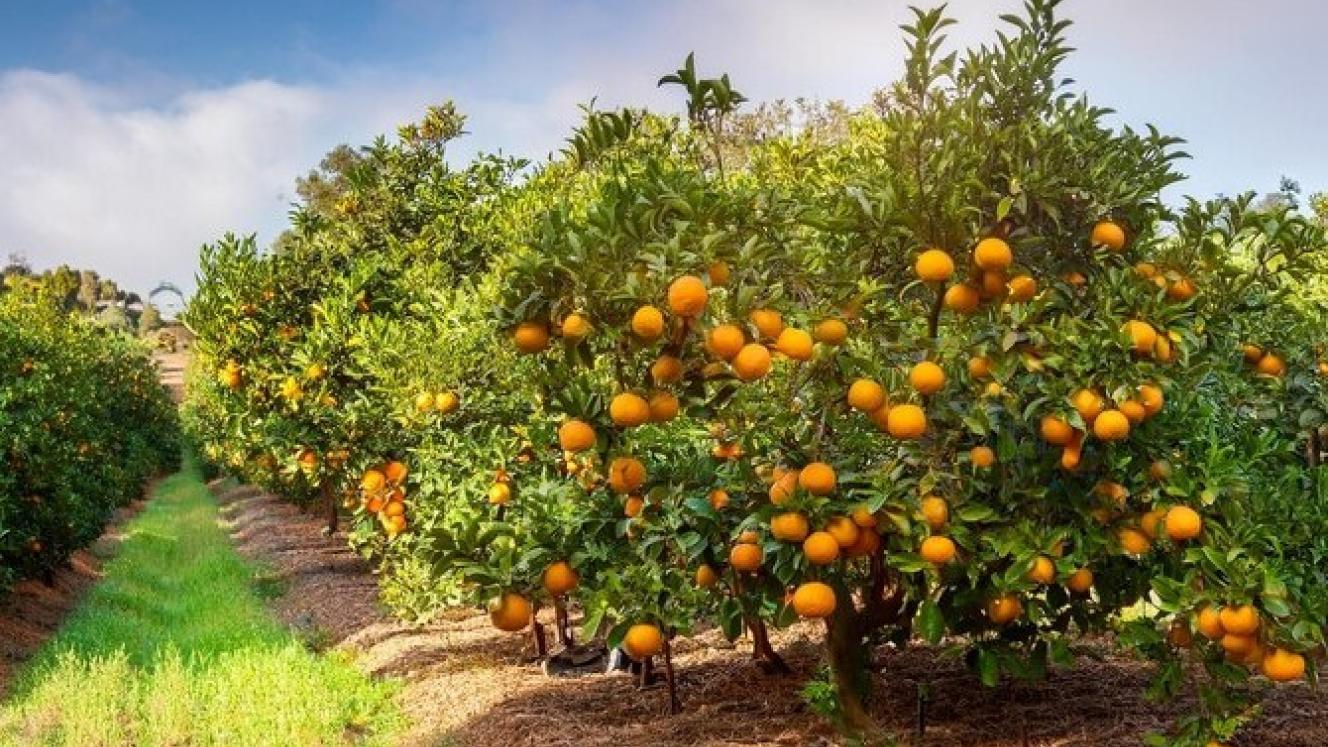
The Eastern Cape’s citrus industry, a vital economic lifeline for the province and a major contributor to South Africa’s export earnings, faces mounting pressures that threaten its competitiveness despite strong production fundamentals.
Eastern Cape Exporters chairperson Quintin Levey, writing in the organisation’s latest newsletter, highlighted the significance of the sector and the challenges it currently faces.
According to Levey, the province remains South Africa’s second-largest citrus producer, accounting for around 27% of national output.
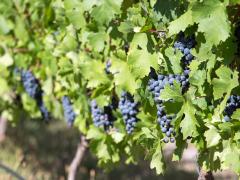
It supplies about 60% of the country’s lemons, 30% of soft citrus and 26% of exported oranges from key regions including the Sundays River Valley, Patensie and Kat River Valley.
Over 25 000 hectares are under cultivation, supporting approximately 35 000 on-farm jobs in the province.
Mitchell Brooke of the Citrus Growers’ Association of South Africa (CGA) emphasised the sector’s scale and reach.
“The Eastern Cape accounts for a quarter of SA’s citrus exports. Over 25 000 hectares of citrus are under cultivation. This provides approximately 35 000 jobs in the Eastern Cape on farm-level alone – excluding the down-chain employment in logistics and other sectors,” Brooke said.
South Africa is the world’s second-largest citrus exporter.
“South African citrus is well-known in international markets for its quality and taste. As a source of foreign income, the entire South African citrus industry brings in about R42 billion in foreign revenue each year,” Brooke said.
However, the industry also faces several challenges, from water shortages and rising production costs to global trade barriers and logistics.
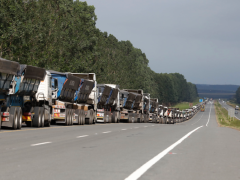
“We need improved market access, whether through tariff reductions in certain markets or through improved scientific plant health, and we need greater urgency and scale on private sector participation in logistics. Our input costs are also likely to increase, which places pressure on agricultural producers,” Brooke said.
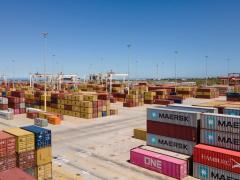
Exporters Eastern Cape strategic manager, Samantha Dunlop, said the organisation’s initiatives, such as coordinated planning sessions, data-sharing frameworks and industry workshops, helped improve visibility on volumes, equipment availability and port readiness during peak citrus season.
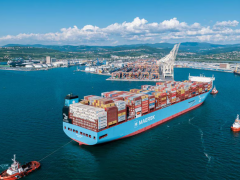
“The province is further supported by world-class infrastructure, including modern port facilities, efficient road networks and specialised cold chain capacity, enabling citrus to move swiftly from orchard to international markets,” Dunlop said.
“The organisation also advocates for improved port performance, increased reefer capacity and streamlined processes with Transnet, ensuring that exporters can move perishable cargo efficiently to global markets.”
Levey stressed that the citrus industry was more than just a farming activity in the Eastern Cape.
“It is a foundation for economic development in the region. It creates thousands of jobs, supports rural communities and connects the province to international markets. As long as the industry continues to grow and receive the right support, it will remain a vital part of the Eastern Cape’s future,” he said.